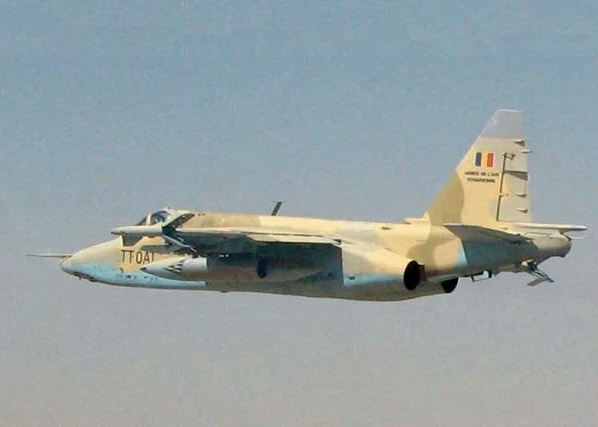
The Chadian military has launched aerial strikes against several islands in Lake Chad, located in Niger, which are allegedly used as strongholds by Boko Haram. The operation follows a recent attack by the armed group on Chadian military positions.
Since Friday, these airstrikes have targeted remote islands in the lake, including Shuwa, a known Boko Haram bastion and fishing hub where fishermen from Nigeria operate under the group’s permission. Witnesses report that the strikes have resulted in numerous casualties among Nigerian fishermen, many of whom are feared dead.
fishermen caught in the crossfire
According to local sources, including an anti-jihadist self-defense group, the Chadian military’s offensive has left at least 40 Nigerian fishermen missing and presumed drowned. The affected area spans the border regions of Nigeria, Niger, and Chad, where fishing communities often pay levies to Boko Haram for access to lucrative fishing grounds.
Adamu Haladu, a fisherman from Baga in Nigeria, shared harrowing accounts of the incident: «Many have lost their lives. Most victims were from Doron Baga and Taraba State, Nigerian towns along the lake. It’s no secret that fishermen pay taxes to Boko Haram to fish in these areas.»
repeated civilian casualties in anti-terror operations
This is not the first time Chadian military strikes have resulted in the unintended killing of Nigerian fishermen. In 2024, a retaliatory airstrike on Tilma Island, also on Lake Chad, reportedly killed dozens of civilians despite targeting Boko Haram militants. The Chadian army denied accusations of indiscriminate attacks, though witnesses and local reports contradicted these claims.
The ongoing insurgency by Boko Haram and the Islamic State West Africa Province (ISWAP) has devastated the region since 2009, leaving over 40,000 dead and displacing two million people, according to UN estimates. The conflict has spilled across borders into Niger, Cameroon, and Chad, prompting the formation of a multinational joint task force in 2015. However, Niger withdrew from the alliance in 2025 due to strained regional relations, further complicating efforts to curb the jihadist threat.