Deadly Boko Haram attack strikes nigerian border region
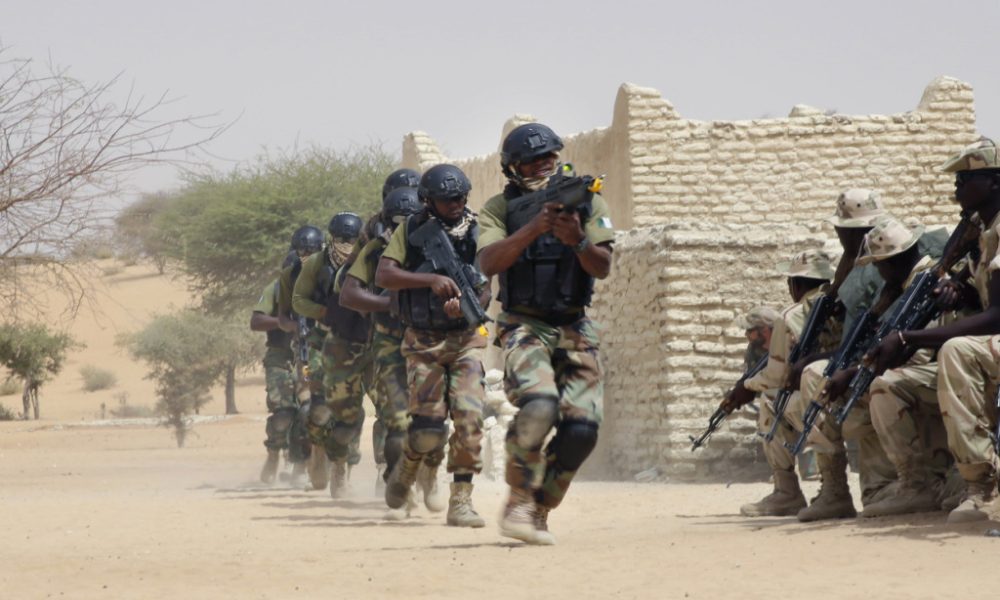
A military outpost near N’Guigmi in southeastern Niger came under coordinated assault by Boko Haram militants on Friday, resulting in the deaths of nearly a dozen soldiers and significant casualties among the attackers, according to local reports.

Regional security crisis deepens
The attack occurred in N’Guigmi, a strategic garrison town in the Diffa region bordering Lake Chad—a vast wetland area shared by Nigeria, Cameroon, Chad, and Niger. Since 2009, this region has become a hotspot for both Boko Haram and the Islamic State’s West Africa Province (ISWAP) operations.
“The attackers launched a coordinated assault on Friday morning, resulting in the deaths of approximately ten soldiers and four members of the national guard,” a local resident told reporters on condition of anonymity. “Casualties were reported on both sides, and military forces are currently conducting clearance operations.”
— Local resident, N’Guigmi
Following the attack, the military governor of the Diffa region, General Mahamadou Ibrahim Bagadoma, presided over funeral services for the fallen soldiers, who were described as having “died with weapons in hand defending the nation.”
The broader conflict landscape
The Boko Haram insurgency, which began in northeastern Nigeria, has spilled across borders, claiming thousands of lives and displacing millions. The violence has forced neighboring countries to reactivate the Multinational Joint Task Force (MNJTF), established in 1994 to combat regional terrorism.
In response to previous deadly attacks, Chad conducted airstrikes and ground operations in May, targeting militant positions on remote Lake Chad islands with support from Nigeria and Niger.
Meanwhile, Niger continues to face violent clashes in its western regions, driven by groups linked to Al-Qaeda and the Islamic State. The country has been under military leadership since July 2023, struggling to contain the escalating violence.
Humanitarian toll and security challenges
The conflict has left a devastating humanitarian footprint, with thousands killed and millions displaced across the region. The Diffa region remains particularly vulnerable, as ongoing attacks disrupt communities and strain military resources.
Efforts to stabilize the region continue, but the persistent threat of militant groups underscores the challenges faced by regional security forces and international partners.
Comments are closed, but trackbacks and pingbacks are open.