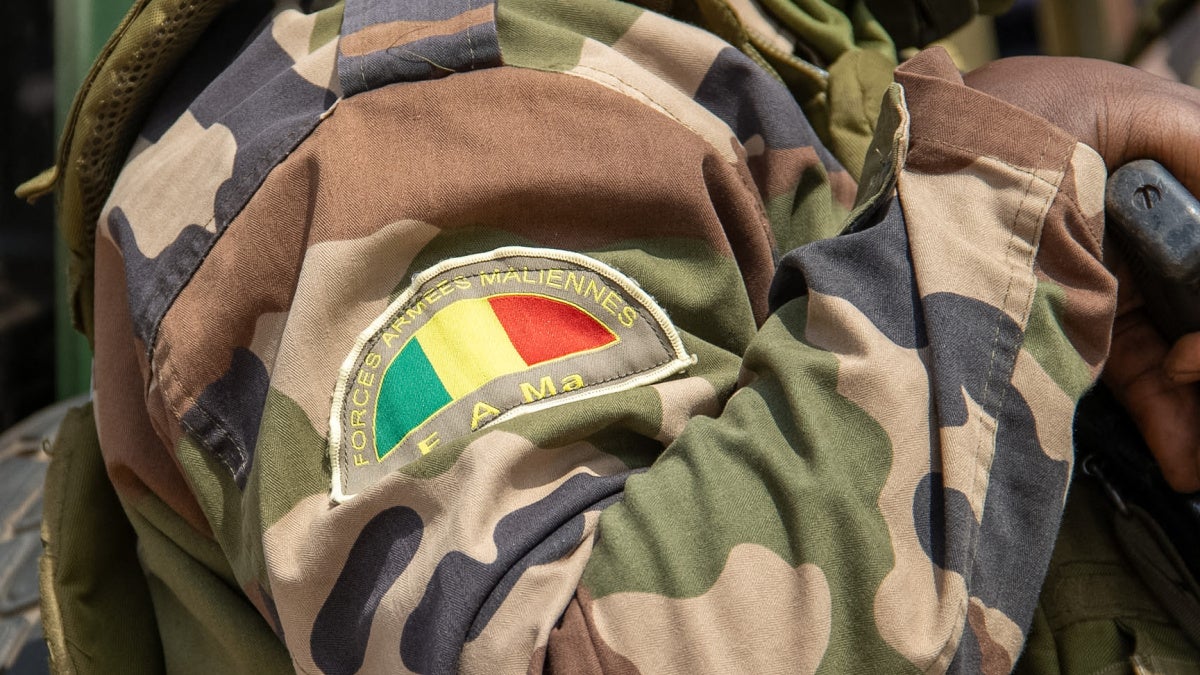
Massacres in central Mali: army and allied militias kill 31 civilians
In the heart of conflict-ridden central Mali, soldiers and allied militias have left a trail of devastation in two rural communities. Between October 2 and 13, coordinated attacks resulted in the deaths of at least 31 civilians, including women and children, with homes reduced to ashes.
Unprovoked violence in Kamona
On the morning of October 2, uniformed soldiers arrived in Kamona aboard seven pickup trucks and three armored vehicles, accompanied by armed militiamen on motorcycles. Witnesses identified the militiamen as Dozos, traditional hunters from the Bambara ethnic group who have played a controversial role in counterinsurgency operations for years.
The soldiers and Dozos systematically targeted men, executing at least 21 and setting fire to 10 homes. Survivors recounted how fighters from the Group for the Support of Islam and Muslims (GSIM) had warned villagers of the approaching forces, prompting many to flee. Those who remained were gathered and shot. “Those who couldn’t escape were rounded up and executed,” a local survivor revealed.
No clashes between the army and GSIM were reported. Villagers later discovered 17 bodies under a tree and four more north of Kamona. All were men aged 20 to 65, their bodies riddled with bullets. A 40-year-old shepherd, hiding with his 9-year-old daughter, found the corpses after the attackers left. “They were shot multiple times. One had his head completely crushed. Spent bullet casings littered the ground,” he described.
Local leaders compiled a list of 21 victims—all men—but suspect additional deaths. “We heard at least 15 more men were killed in the bush that day,” a resident said. “We didn’t go check; we were too afraid the army would return.”
Brutal assault in Balle
Thirteen days later, a similar operation unfolded in Balle, 55 kilometers away. Soldiers in five pickup trucks and Dozos on 30 motorcycles stormed the village, forcing some residents to flee. “I didn’t run at first,” a 24-year-old man recalled. “But when I saw soldiers going door-to-door and beating men, I hid. From my hiding spot, I heard gunshots.”
The attackers killed 10 civilians—nine men aged 22 to 67 and a 55-year-old woman—before stealing over 100 cattle. The victims’ bodies were found strewn across the village, some with broken limbs. The woman’s 21-year-old daughter witnessed her mother’s death. “She confronted the soldiers, accusing them of abusing villagers,” she said. “They dragged her to where the men were gathered and shot her.”
Military denies accountability
In an October 14 statement, Mali’s Chief of Army Staff claimed the October 13 operation in Balle was an “offensive reconnaissance” that “neutralized around 20 terrorists” and seized military equipment. Locals, however, dispute this narrative. A resident explained, “We’ve paid zakat to the GSIM for years. They settle disputes here—no soldiers, gendarmes, or police. The army doesn’t distinguish between them and us.”
The attacks followed a surge in GSIM activity, including a raid on the Siribala sugar factory in August. Since 2012, Mali’s conflicts have claimed thousands of civilian lives and displaced over 400,000 people. Both the Malian military and GSIM have been accused of grave abuses, including indiscriminate killings and torture.
Legal accountability in question
Under international law, all parties must adhere to the Geneva Conventions, which prohibit attacks on civilians, executions, and cruel treatment. Those responsible for war crimes—whether acting with criminal intent or under command responsibility—can be prosecuted. Though Mali withdrew from the International Criminal Court (ICC) in September, it remains bound by the Rome Statute until 2026. The ICC has investigated alleged war crimes in Mali since 2013.
The African Union (AU), tasked with promoting peace and security, has largely failed to address the crisis effectively. Despite worsening violence, the AU’s Peace and Security Council has limited its response to issuing statements expressing concern. “The Council must prioritize Mali,” urged a senior researcher. “It should hold regular briefings, strengthen diplomatic efforts, and coordinate regional and international actions to ensure accountability for abuses by all parties.”
As Mali’s conflict escalates, civilians bear the brunt of unchecked violence. The recent massacres underscore the urgent need for impartial investigations and justice.
Comments are closed, but trackbacks and pingbacks are open.