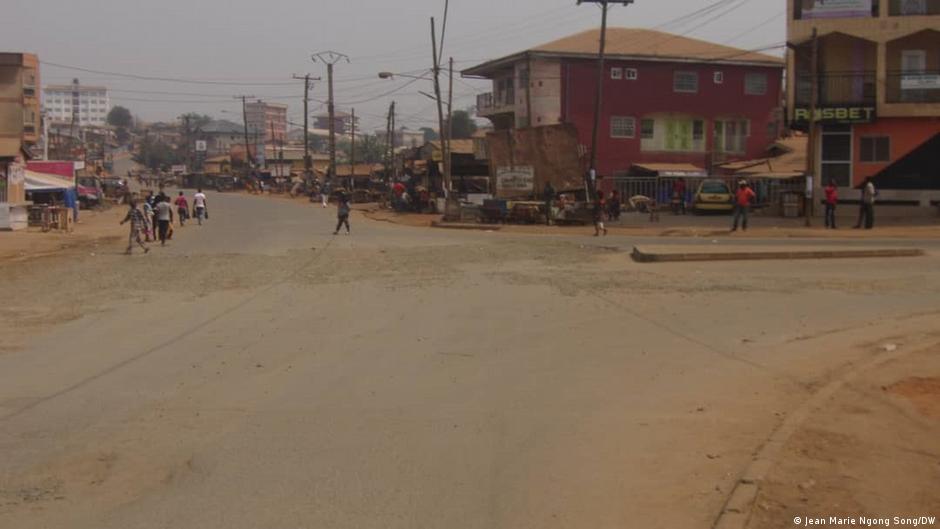
Cameroon’s critical Douala–Bafoussam highway crumbles under pressure
Cameroon’s National Route 5, the vital artery linking the economic capital of Douala to the highland city of Bafoussam and onward to Bamenda, is collapsing under the weight of neglect, heavy traffic, and increasingly violent weather. This once-reliable corridor now carries a grim reputation—not only as the country’s most dangerous road but also as a symbol of broken infrastructure promises.
The highway’s accelerating decay stems from a combination of factors: relentless use by intercity trucks and buses, years of underfunded maintenance, and the intensifying impact of climate change. Rising floodwaters strip away asphalt, gouge out massive potholes, and trigger deadly landslides, turning what was once a three-and-a-half-hour journey into an endurance test of ten or more hours.
Journey through a broken landscape
Travelers boarding buses from Douala to Bafoussam now face a grueling ordeal. Torrential rains erode the asphalt, carve out crater-sized potholes, and trigger sudden ground collapses. What once took three-and-a-half hours now demands up to ten, with passengers enduring cramped seats, dust, and the constant threat of mechanical failure.
Alice, a mother returning from Bafoussam, described the nightmare: “We’ve been on the road for fourteen hours. The main route through Haut-Nkam is completely impassable—we had to detour via Yaoundé, even though that wasn’t our destination, zigzagging through Bagangté just to rejoin the Douala axis. We’re exhausted, our bodies ache, and we’re still nowhere near home.”
Where danger meets geography: the deadly triangle
The region’s steep, rugged terrain amplifies every risk. On 5 November 2024, a double landslide near Dschang swallowed buses and cars, killing fourteen people and exposing the corridor’s fragility. Known locally as the “Triangle of Death”—stretching from Douala to Yaoundé to Bafoussam—this 250-kilometre stretch now claims nearly one hundred lives each month, according to traffic authorities.
For drivers and passengers alike, reaching Bafoussam or Douala feels less like arrival and more like escape. One weary traveler put it bluntly: “I rolled into town at 2 a.m. after what felt like forever. The Nationale 5 is a death trap—potholes the size of craters, rivers flooding the road. I’d pay double the fare to avoid this nightmare. At least then I wouldn’t end up in pieces.”
Empty promises and mounting anger
Officials have earmarked roughly 180 billion Central African francs for a full rehabilitation, yet on-the-ground frustration is boiling over. Commuters resent paying tolls for a road that resembles a dirt track. Transport operator Mika Séma summed up the outrage: “Tolls are supposed to fund repairs—so why are we paying for a broken road? Cameroun must act now, before more lives are lost.”
With the rainy season intensifying and no major repairs in sight, the Douala–Bafoussam highway is on course to keep claiming victims, turning a once-proud economic lifeline into one of Cameroon’s deadliest roads.
Comments are closed, but trackbacks and pingbacks are open.