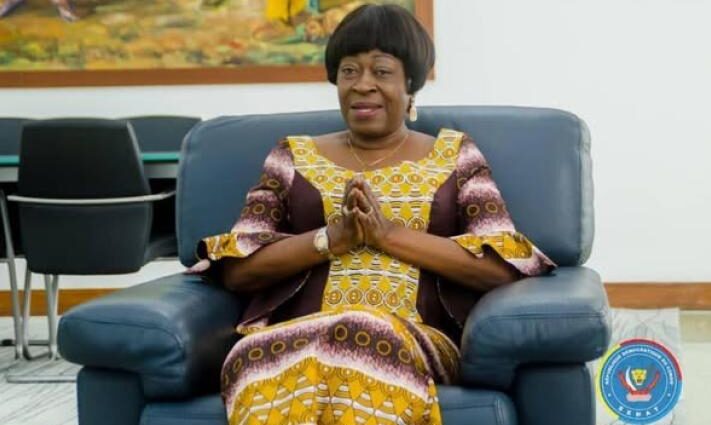
Major diplomatic turn: DRC backs unified Francophonie leadership bid
The Democratic Republic of Congo (DRC) has taken a decisive step forward in the race for the Organization Internationale de la Francophonie (OIF) leadership, announcing the withdrawal of its candidate, Juliana Amato Lumumba, in favor of a shared consensus approach. This strategic shift, unveiled during the 48th Francophonie Ministerial Conference, signals a commitment to regional cooperation and unity.
The move comes as tensions rise over the current selection process, prompting Kinshasa to prioritize stability and collective progress over individual ambition. While the DRC acknowledges the qualifications of its former candidate, the decision reflects a broader vision of fostering goodwill and collaboration among Francophonie member states.
Why the withdrawal matters for the Francophonie
This pivot toward a common candidate demonstrates a willingness to break from divisive selection dynamics. By endorsing former Romanian Prime Minister Dacian Cioloș, the DRC is advocating for a leadership transition that serves the collective interests of all 54 OIF member nations.
The Rwandan capital’s endorsement of Cioloș—following bilateral consultations with Bucharest—highlights a growing alignment between African and European Francophonie members. This alignment could redefine power dynamics within the organization and set a new precedent for future leadership selections.
A call for reciprocal compromise
The DRC has framed its withdrawal as an invitation to other OIF member states to demonstrate similar flexibility. The communiqué stresses that this proactive stance hinges on reciprocity: without mutual concessions from all parties, a genuinely inclusive consensus cannot be achieved.
« The path to a united Francophonie begins with shared sacrifices », officials noted, emphasizing that true progress requires prioritizing institutional stability over national or personal ambitions. While the DRC’s gesture is significant, its success ultimately depends on whether other candidates and their supporters embrace the same spirit of cooperation.
What comes next for the OIF leadership race?
The race for the OIF secretary-general position now hinges on whether Cioloș can consolidate broad-based support. Observers suggest that this pivotal moment may accelerate negotiations, as member states reassess their strategies in light of the DRC’s bold move.
All eyes are on the upcoming voting sessions, where the combined weight of African and European blocs could tip the scales. For now, Kinshasa’s leadership withdrawal stands as a testament to the power of strategic compromise in international diplomacy.
Comments are closed, but trackbacks and pingbacks are open.