Democratic Republic of Congo’s civil protection: a turning point for community resilience
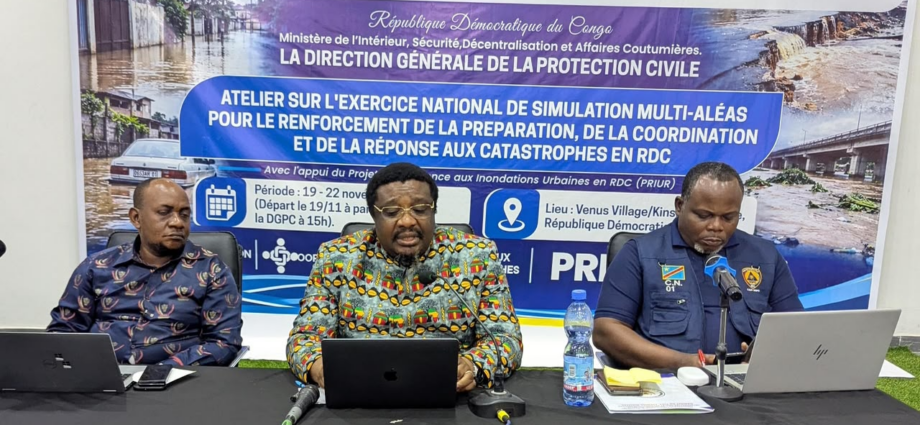
Kinshasa, November 20, 2026 — The Democratic Republic of Congo (DRC) has reached a critical juncture in its civil protection strategy, with national authorities emphasizing that safeguarding citizens is no longer an optional duty but a foundational responsibility. This pivotal moment was highlighted during the opening of a groundbreaking multi-hazard simulation exercise in Kinshasa, designed to test and strengthen the country’s disaster preparedness and response systems.
Joseph Nkinzo, Director-General of the General Directorate of Civil Protection (DGPC), underscored this shift in focus, stating that civil protection transcends mere administrative procedures to become a cornerstone of state accountability. “Civil protection is not just a technical mission—it is a fundamental state responsibility and a commitment to every Congolese citizen,” he declared. This declaration signals a major strategic evolution: placing human life at the heart of public policy and elevating disaster prevention to the forefront of national development priorities.
From reactive measures to proactive disaster management
The DGPC’s vision aligns with President Félix Tshisekedi’s agenda to build a more stable, secure, and resilient Congo. This approach demands the creation of an integrated national civil security and disaster risk management system, built on seven pillars: prevention, risk reduction, anticipation, early warning, preparedness, response, and recovery.
Nkinzo emphasized that the era of responding to disasters after they occur is over. Instead, the focus must shift to cultivating a robust national culture of prevention and foresight. “The DRC faces persistent threats—floods, landslides, erosion, wildfires, and extreme weather events. These challenges require prepared institutions, clearly defined roles, and a well-coordinated collective response,” he stated. The simulation exercise aims to evaluate alert mechanisms, decision-making frameworks, and emergency response procedures, including rescue, evacuation, and support for affected populations.
Strengthening coordination and institutional partnerships
Highlighting the need for unified action, Nkinzo stressed that no single entity can tackle disaster challenges alone. “The imperative today is coordination and complementarity among all stakeholders. We must enhance information-sharing, harmonize interventions, pool resources, and respect institutional mandates,” he asserted. The National Platform for Disaster Risk Management is positioned as the central hub for this collaboration, led by the DGPC’s institutional and technical expertise.
The Director-General also recognized the instrumental role of the World Bank through the Urban Flood Resilience Project in DRC (PRIUR), which has bolstered the country’s institutional and operational capacities in disaster readiness and response. “We hope this strategic partnership not only continues but deepens, to sustainably support the development of a high-performance and resilient national disaster management system,” he noted. Key outcomes of the exercise include the creation of a National Integrated Flood Preparedness and Response Plan—addressing risks linked to the El Niño phenomenon—and the clarification of roles, resource needs, and implementation timelines.
The human cost behind every disaster
Nkinzo concluded with a poignant reminder: behind every disaster are human lives, families, and communities desperate for protection, assistance, and security. “Our mission is clear: to prevent risks, anticipate crises, and strengthen our collective capacity to intervene—because saving lives is the ultimate goal,” he emphasized. This turning point in the DRC’s civil protection strategy is not just about systems and policies—it is about safeguarding the people who define the nation’s future.
Comments are closed, but trackbacks and pingbacks are open.