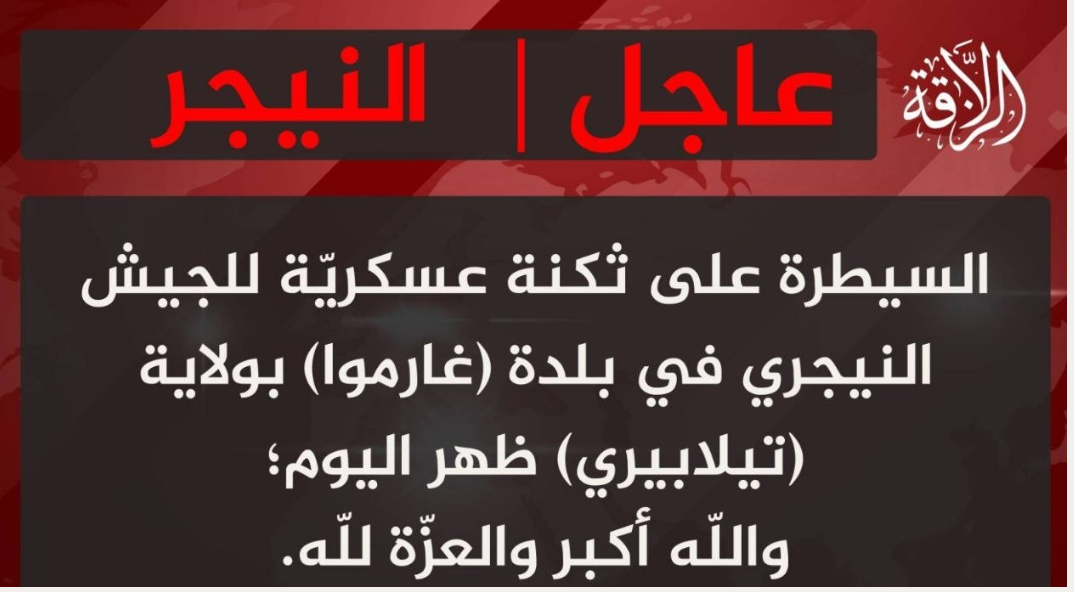
A brutal and extensive assault, attributed to the Group for the Support of Islam and Muslims (JNIM), targeted a military engineering unit of the Nigerien army stationed in Garbougna, within the Tillabéri region, on Thursday, May 14, 2026. This devastating incident has resulted in a provisional death toll of at least 67 individuals, encompassing both military personnel and civilians. The unit, vital for public infrastructure initiatives, was actively deployed in this critical border area, highlighting the ongoing challenges faced in African news today and pan-African current affairs.
garbougna’s deadly ambush: a coordinated and massive assault
The tranquility of Garbougna, a locality situated in the volatile “three borders” zone, shattered just after 5 AM on that fateful Thursday. Under the cloak of pre-dawn darkness and leveraging the element of complete surprise, scores of heavily armed assailants, operating from motorcycles and pickup trucks, stormed the encampment of the Nigerien Armed Forces (FAN) military engineering unit.
Intelligence services have identified the attackers as elements of JNIM, an Al-Qaeda affiliate, who executed a meticulously coordinated offensive. The initial lines of defense were swiftly overwhelmed by sustained heavy gunfire and explosions. Despite the courageous and determined resistance mounted by the Nigerien soldiers present, the sheer numerical superiority of the terrorists and the suddenness of their onslaught allowed them to overrun the site, transforming the area into a harrowing battleground.
a tragic human toll: soldiers and civilians caught in the carnage
The provisional casualty count, which continues to send shockwaves through the local populace, confirms a minimum of 67 fatalities. The profound tragedy of this attack is further amplified by the diverse nature of its victims. Among the deceased are numerous soldiers from the engineering corps, alongside a significant number of Nigerien civilians. This grim reality underscores the severe impact on African society news.
Many of the civilians killed were local laborers, equipment operators, and villagers who routinely collaborated with the military on community development projects. Their presence at the site highlights the interconnectedness of military and civilian efforts in the region.
The wounded, several of whom are in critical condition, were promptly evacuated by both air and land to hospitals in the region and to Niamey. Meanwhile, extensive sweeping operations are ongoing in the surrounding bushland, as forces continue the search for any individuals who may still be missing.
sabotaging progress: the strategy of terror
Crucially, the targeted military unit was not engaged in a typical combat mission. Its deployment in Garbougna was specifically for civil engineering work, focused on completing a strategic bridge. This vital infrastructure project was intended to open up the region, facilitate the free movement of goods and people, and revitalize the local economy, which has been severely hampered by insecurity.
By specifically targeting the engineering unit, JNIM delivers a stark and cynical message: to obstruct, by any means necessary, the re-establishment of state authority and the stabilization of the Tillabéri region. For these armed groups, disrupting communication routes and destroying developmental infrastructure is a proven tactic designed to keep local populations under the shadow of terror and dependence, a critical aspect of Africa politics English.
the three borders zone under intense pressure
This latest tragedy serves as a brutal reminder of the extreme fragility of the security situation in the so-called “three borders” zone, encompassing Niger, Mali, and Burkina Faso. Despite the escalation of joint military operations and the enhanced capabilities of the Nigerien army, terrorist groups maintain a formidable asymmetric capacity for harm. They exploit the porous borders with Mali to launch deadly raids before retreating across the demarcation line.
In Niamey, profound emotion and widespread condemnation have been expressed. Military authorities have vowed that this sacrifice will not be in vain and that national reconstruction efforts will press forward, honoring the memory of those who fell with tools and weapons in hand.
The Garbougna attack marks a somber turning point in the fight against terrorism across Niger. The soldiers of the engineering corps, by integrating economic reconstruction with their mission of sovereignty, embodied the hope for a return to normalcy for the communities of Tillabéri. This heavy toll of 67 shattered lives serves as a cruel reminder that the conflict waged by Niger and its neighbors within the Alliance des États du Sahel (AES) is fought not only on military fronts but also through the crucial work of regional development and socio-economic progress. The resilience of the Nigerien people will, once again, face a severe test in the days ahead, a story closely followed by The Panafrican Press.