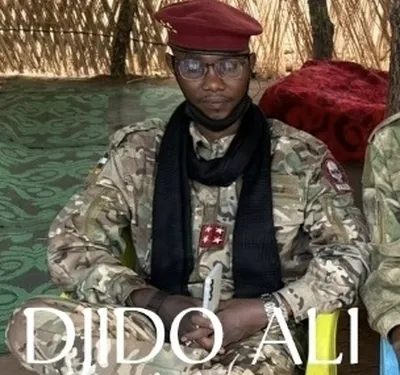
The Central African Republic has witnessed a dramatic shift in leadership following intense pressure from foreign mercenaries. Didot Ali, a former Chief of Staff of the Movement of Central African Patriots (MPC), has been installed as the new leader of the armed group after Ahmat Chaltout surrendered his position.
What led to the power transition in the MPC?
The sudden change in command was triggered by external military influence, primarily from Russian-backed mercenary forces operating in the region. These operatives, known for their strategic interventions in conflict zones, exerted significant pressure on the MPC’s leadership structure. Chaltout, who had recently assumed the role of Chief of Staff, found himself unable to withstand the mounting demands and ultimatums.
The mercenary presence, often associated with regional security dynamics, played a decisive role in reshaping the group’s internal hierarchy. Sources within the MPC confirmed that Chaltout’s decision to step down was not voluntary but a result of coercive measures.
Who is Didot Ali and what does his rise mean?
Didot Ali, a seasoned military figure within the MPC, previously served as Chief of Staff before Chaltout’s appointment. His return to power signals a potential shift in the group’s political and operational strategies. Observers suggest that Ali’s leadership may align more closely with the interests of external actors influencing the Central African Republic’s security landscape.
The transition also raises questions about the group’s future engagements, particularly in relation to ongoing conflicts in the country. Analysts are closely monitoring whether Ali’s leadership will bring stability or further escalate tensions within the MPC and beyond.
What’s next for the Central African Republic’s security situation?
The power shift within the MPC comes at a critical juncture for the Central African Republic, where mercenary influence continues to shape the country’s security framework. The new leadership under Ali may either consolidate control or face resistance from factions within the group and rival armed entities.
Residents and local leaders are bracing for potential changes in the security environment, with concerns about increased militarization and its impact on civilian safety. The Central African Republic remains a focal point for international actors, and the outcome of this leadership transition could have far-reaching implications for the region’s stability.