What the new Senegal-Azerbaijan framework means for global diplomacy
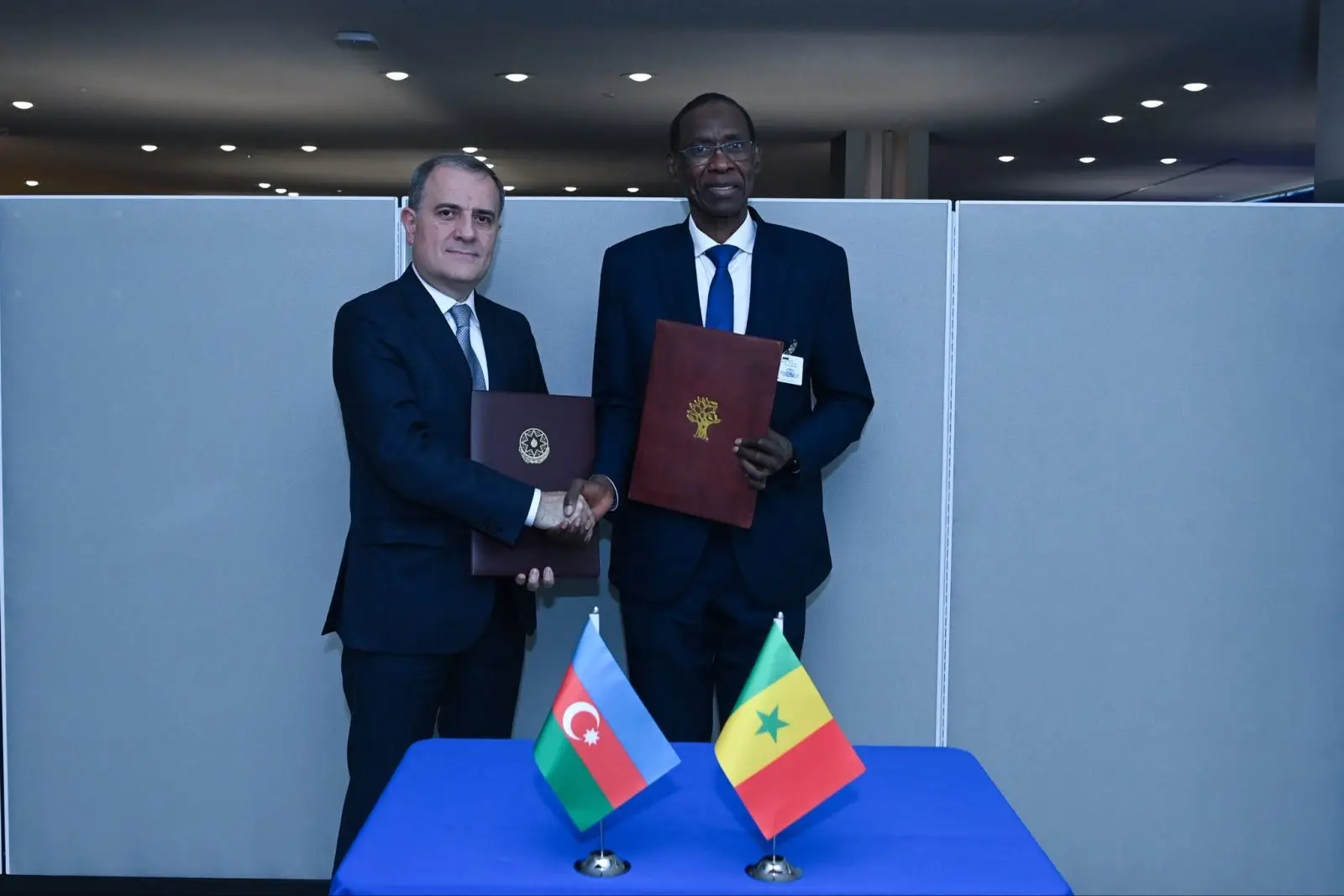
The signing of a political consultations memorandum between Senegal and Azerbaijan at the UN General Assembly has triggered fresh debate over Dakar’s evolving diplomatic strategy. The agreement, unveiled late Friday by Senegal’s Ministry of African Integration, Foreign Affairs and Senegalese Abroad, establishes a formal mechanism for regular high-level exchanges between the two governments.
Institutionalizing bilateral talks for long-term cooperation
While no specific sectors were detailed in the initial announcement, such frameworks typically pave the way for discussions spanning trade, technical cooperation, and multilateral engagements. The memorandum aims to shift bilateral relations from ad-hoc interactions to structured dialogue, ensuring both sides can systematically address shared priorities rather than relying on sporadic engagements.
A model for future African-Asian partnerships?
Observers note that this agreement aligns with Senegal’s broader push to diversify its diplomatic partnerships beyond traditional Western allies. In recent years, Dakar has actively cultivated ties with Eastern European and Asian states, signaling a deliberate strategy to expand its global influence. The memorandum’s timing—during the UN’s High-Level Week—highlights how multilateral forums serve as catalysts for bilateral breakthroughs that might otherwise require separate negotiations.
Unanswered questions and next steps
Key operational details remain unclear, including the consultation frequency and implementation timeline. The absence of signatory identities or ceremony specifics in the initial announcement suggests further clarifications are forthcoming. Government officials have indicated that these operational guidelines will likely be addressed in upcoming official communications from both capitals.
Global reactions to Dakar’s diplomatic pivot
Analysts are divided over whether this memorandum represents a strategic necessity or a bold diplomatic gamble. Supporters argue it could unlock new trade opportunities, technical transfers, and geopolitical leverage for Senegal. Critics warn of potential overcommitment in an era of constrained resources, questioning whether Dakar’s diplomatic outreach risks spreading itself too thin across multiple partnerships.
The agreement arrives amid a broader recalibration of African foreign policies, where nations are increasingly leveraging multilateral platforms to secure bilateral advantages. For Senegal, this memorandum may serve as both a test case for its expanded diplomatic ambitions and a template for future collaborations with non-traditional partners.
As Dakar prepares to outline the framework’s operational roadmap, international observers will scrutinize whether this institutionalized dialogue delivers tangible benefits or remains a symbolic gesture in an evolving global order.
Comments are closed, but trackbacks and pingbacks are open.