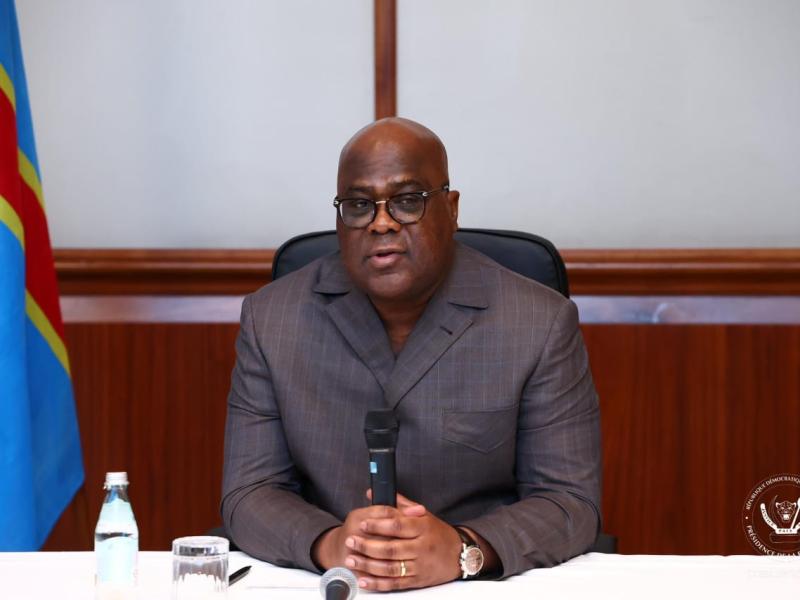
The Democratic Republic of Congo is embarking on a new chapter of inclusive national dialogue following a pivotal meeting between President Félix Tshisekedi and religious leaders in Kinshasa.
The historic gathering took place at the African Union headquarters, where the Head of State heard the voices of faith-based communities representing diverse denominations from across the nation.
a shift toward national reconciliation
After initially hesitating on the idea of a comprehensive national dialogue, President Tshisekedi has now fully embraced the initiative. According to close observers within religious circles, the President has confirmed that a detailed roadmap for this inclusive process will be released in the coming days.
This strategic pivot comes at a critical moment for the country, as political tensions and social divisions continue to strain national cohesion. The involvement of religious leaders—known for their moral influence and ability to bridge divides—signals a serious commitment to finding peaceful solutions through dialogue rather than confrontation.
religious leaders as catalysts for change
The meeting held at the African Union city in Kinshasa was not merely symbolic. Religious representatives presented President Tshisekedi with proposals aimed at fostering unity, addressing grievances, and strengthening democratic governance. The discussion focused on creating a framework for constructive engagement between all segments of society, with the ultimate goal of restoring trust in state institutions.
Within the religious community, the initiative has been widely welcomed as a necessary step toward healing the nation. Leaders emphasized that real progress can only be achieved when all voices—regardless of political affiliation—are given a platform to contribute to the national conversation.
next steps in the dialogue process
While the President has given his formal approval, the actual implementation of the dialogue will require careful planning and broad participation. The upcoming roadmap is expected to outline key themes, timelines, and mechanisms for citizen involvement, ensuring that the process remains transparent and accountable.
The move has also drawn attention to the broader role of faith-based organizations in shaping national policy. Their inclusion reflects a growing recognition of their capacity to mediate conflicts and promote social stability in regions affected by instability.
As the country prepares for this new phase, many observers are calling on all stakeholders—civil society, political parties, and regional partners—to support the dialogue initiative and contribute constructively to the national recovery effort.
Comments are closed, but trackbacks and pingbacks are open.