Behind the diplomatic push: Tshisekedi’s urgent message to AU mediator Gnassingbé
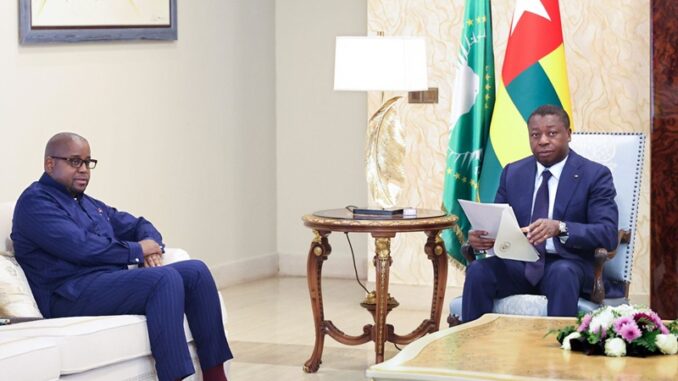
A new chapter in eastern Democratic Republic of the Congo’s (DRC) peace efforts unfolded this week as Congolese officials personally delivered a written appeal from President Félix Tshisekedi to Togolese leader Faure Gnassingbé. The move comes amid rising tensions and renewed fighting that has complicated years of mediation efforts.
From diplomatic channels to public scrutiny: how Tshisekedi’s letter reframes the peace process
The secretive nature of the message—hand-delivered by DRC’s Minister of Regional Integration, Floribert Anzuluni—reflects Tshisekedi’s intensified strategy to revive stalled negotiations. Unlike previous overtures, this written appeal is directly tied to the African Union’s mediation framework, with Gnassingbé serving as the bloc’s designated envoy since April 2025.
Diplomatic observers highlight how this approach shifts the conversation from backroom deals to a more public accountability framework. The Congolese delegation also seized the opportunity to brief Gnassingbé on recent disarmament initiatives led by Kinshasa, aimed at undermining rebel strongholds in eastern DRC.
Regional reactions and the road ahead: will this break the cycle of violence?
The timing of Tshisekedi’s letter raises critical questions: Can African-led mediation finally outpace international frameworks like the Doha or Washington talks? While the AU’s involvement offers a sense of regional ownership, the persistent resurgence of armed groups has eroded public confidence in these processes.
Analysts note that the success of Gnassingbé’s mission hinges on two pivotal outcomes: securing a durable ceasefire and preventing further spillover into neighboring countries like Rwanda, Burundi, and Uganda. The DRC’s eastern provinces, rich in minerals yet mired in conflict, stand as a litmus test for Africa’s ability to resolve its own crises.
What’s next for eastern DRC’s security landscape?
With Gnassingbé now at the helm of AU-backed talks, all eyes are on the next steps:
- Immediate ceasefire enforcement: Monitoring mechanisms to ensure compliance by armed factions
- Humanitarian corridors: Safe access for aid groups to conflict zones like North Kivu
- Economic stabilization: Restoring trade routes and mining operations disrupted by years of instability
- Regional coordination: Strengthening cross-border security pacts to curb rebel movements
The coming weeks will reveal whether Tshisekedi’s letter marks a turning point—or another chapter in eastern DRC’s long struggle for peace.
Comments are closed, but trackbacks and pingbacks are open.