Ebola and conflict: a crushing double crisis in eastern DRC
In eastern Democratic Republic of the Congo (DRC), families are trapped between two devastating forces: a persistent Ebola outbreak and relentless armed conflict. The convergence of these crises has pushed millions to the brink of survival, where the choice between disease and hunger becomes an impossible dilemma.
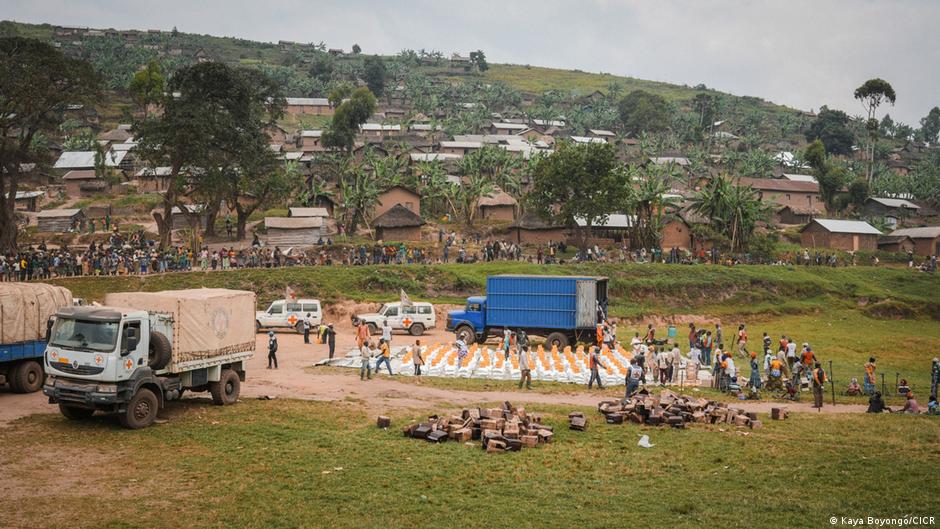
While aid organizations like the International Committee of the Red Cross (ICRC) have resumed critical food and seed distributions to over 80,000 people, the challenges remain immense. How can humanitarian efforts reach those in need when communities are forced to navigate between health threats and the immediate terror of starvation?
How conflict and Ebola deepen food insecurity
The eastern DRC has endured years of violence, displacement, and economic disruption. These ongoing conflicts have already stripped communities of stability, destroyed livelihoods, and eroded resilience. The arrival of Ebola has only intensified these hardships, creating a cycle of crisis that is becoming increasingly difficult to break.
Abdoul-Karim Diomande, Head of Programs for the ICRC in DRC, explains the compounded impact: “Ebola doesn’t occur in a vacuum. It strikes communities already weakened by conflict, where families have lost access to their land, markets, and income sources. The epidemic further strains already fragile coping mechanisms, especially when movement restrictions and market closures disrupt daily life.”
For many households, the situation has reached a breaking point. The loss of farmland due to insecurity forces families to concentrate their agricultural activities near safer, but often less fertile, areas. This over-exploitation accelerates soil degradation, threatening long-term food production. Meanwhile, agricultural extension services—critical for improving yields and resilience—are largely inaccessible due to ongoing violence and displacement.
Border closures and market disruptions worsen the crisis
The impact of conflict extends beyond farm fields. In border regions, closures and restrictions have severed vital trade routes that once provided communities with food supplies and income. Without access to markets, families struggle to sell their produce or purchase essential goods, deepening their vulnerability.
The ICRC’s recent distributions aim to alleviate immediate suffering, but the road to recovery remains long. For eastern DRC, the path forward requires not just emergency aid, but sustainable solutions to address the root causes of this dual crisis—conflict and disease.
Comments are closed, but trackbacks and pingbacks are open.