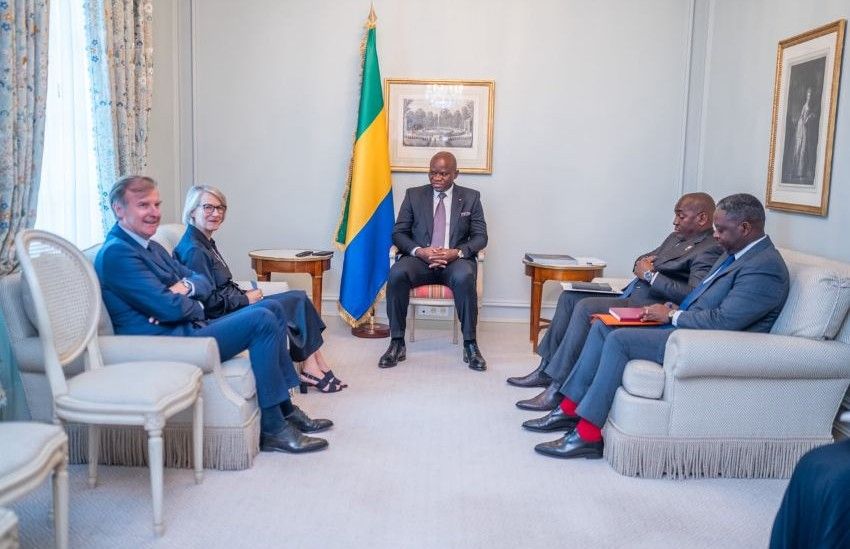
Gabon’s Paris mission: turning diplomatic talks into tangible progress
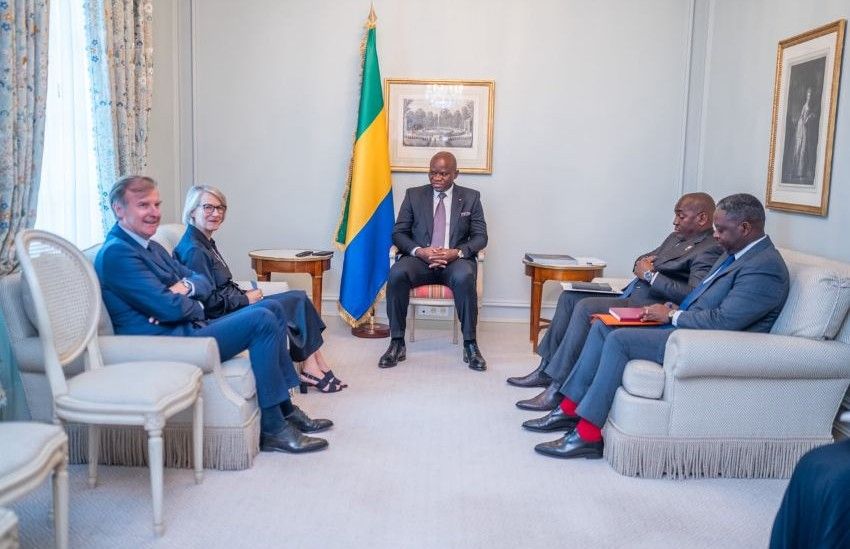
Libreville, August 4, 2026 – President Brice Clotaire Oligui Nguema’s state visit to Paris from July 19 to 22 was more than a diplomatic showcase. Beyond military honors at Les Invalides, a state dinner at the Élysée Palace, and the tight schedule of high-level meetings, Libreville’s primary goal was securing economic commitments that would translate into measurable benefits for Gabonese citizens.
Now that the official receptions and corporate roundtables are over, the central question remains: What concrete outcomes can the Gabonese people expect from these engagements with French counterparts?
The delegation, numbering over 80 participants including key figures from Gabon’s private sector, focused on discussions with French business leaders. While the identities of these executives were previously undisclosed, details have since emerged, shedding light on the topics discussed during these crucial exchanges.
From air travel to manganese processing: unfinished business
On July 19, the first day of the visit, President Oligui Nguema met with Anne Rigail, CEO of Air France. The aviation sector emerged as a critical priority. Air France and Fly Gabon already maintain commercial ties, with ongoing negotiations to finalize a codeshare agreement by the end of the year. This partnership would enable Fly Gabon to sell tickets to Paris under its own flight codes—a move that would enhance regional connectivity.
While no definitive agreement was signed during the meeting, the timeline remains a key point of focus. For Gabon, improved air connectivity is not just about airline cooperation; it’s about fostering business travel, tourism, investment flows, and the movement of skilled professionals.
The following day at the Élysée Palace, discussions shifted to the mining sector. Eramet and its subsidiary Comilog engaged in talks with Gabonese authorities on manganese processing. Under the leadership of Chairwoman Christel Bories, Eramet presented a collaborative roadmap with Gabon’s government, aiming to process up to 700,000 tons of manganese locally by the end of 2031.
The framework includes provisions for a “Made in Gabon” fund and the development of a biocharcoal industry. However, it’s important to clarify that these are preliminary agreements, not finalized investments. The true impact on Gabon’s economy will depend on subsequent studies, funding, infrastructure development, and investment decisions.
Booué’s hydroelectric project: a litmus test for progress
Energy also took center stage during the visit. Gabon’s government, alongside EDF Power Solutions and Gabon Power Company, signed an agreement for the Booué hydroelectric project on the Ogooué River, with a planned capacity of 400 megawatts.
This initiative addresses a pressing need. Gabon possesses significant hydroelectric potential but has yet to fully exploit it. Current national production hovers around 700 megawatts, falling short of a demand that exceeds 1,000 megawatts. The Booué project aims to bridge this gap, though it remains a work in progress. Partners have set a deadline of October 31 to finalize a development agreement, with monthly meetings scheduled to keep the project on track.
Complementing this effort, the Omega Consortium, specializing in water and electricity infrastructure, also met with the president to discuss expanding access to essential services—another key priority for Libreville.
While the presidential communication highlighted advances in mining, energy, water, security, and investments, specific financial details and additional commitments were not disclosed. This transparency gap has fueled public anticipation for tangible results.
What Gabonese citizens are waiting for
The Paris visit successfully identified partners, set deadlines, and launched several initiatives—Air France for connectivity, Eramet and Comilog for manganese processing, EDF Power Solutions and Gabon Power Company for energy, and the Omega Consortium for infrastructure. Yet the real test lies ahead.
For Gabonese citizens, the names of the executives met are irrelevant. What matters are jobs, reliable electricity, improved water networks, enhanced mobility, increased local value addition, and, ultimately, a noticeable improvement in quality of life.
This is where the true assessment of the presidential visit will take place. Protocols set directions, deadlines establish timelines, but only executed investments will determine success. The October 31 deadline for Booué, the anticipated air connectivity agreement by year-end, and the progress of the manganese processing roadmap will be closely monitored. Economic diplomacy must no longer be measured by the number of meetings or signed documents but by the real-world changes it delivers to Gabon’s people.
Comments are closed, but trackbacks and pingbacks are open.