
Gabon’s energy transition: moving beyond temporary power solutions
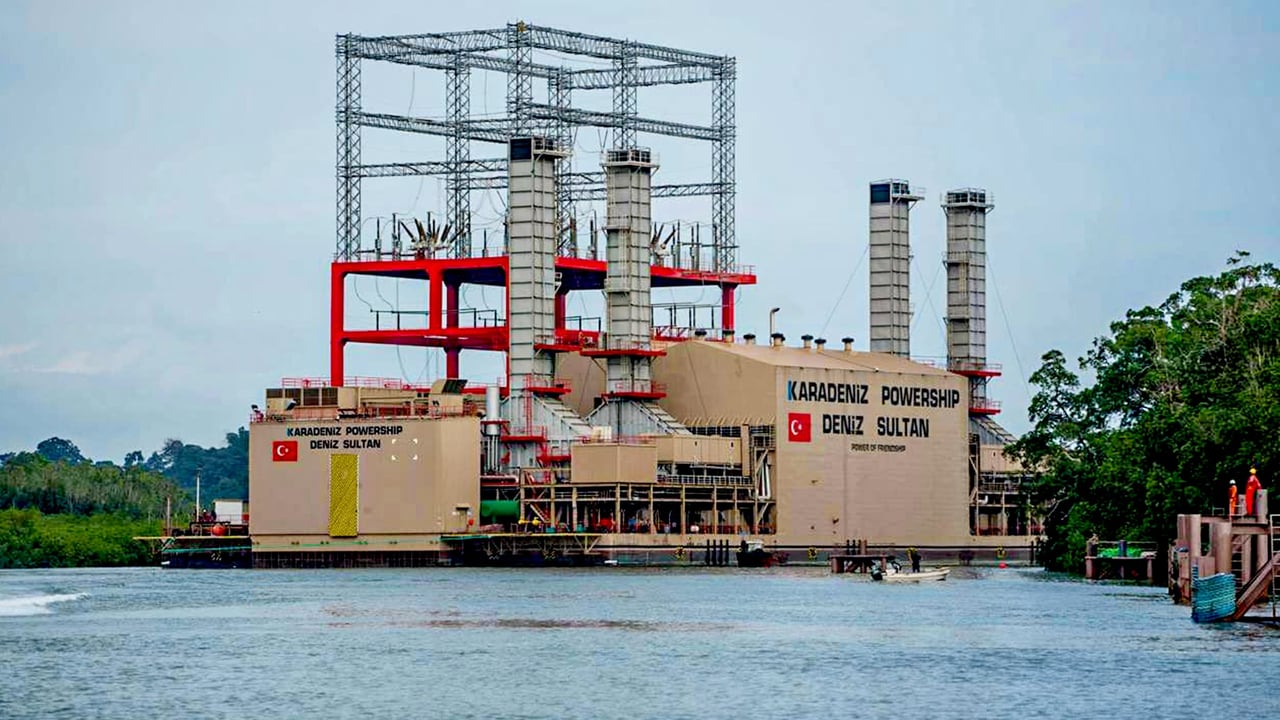
The Gabonese government is taking bold steps to diversify its energy sources, signaling a shift away from short-term fixes like floating power plants operated by Karpowership. This strategic move aims to secure long-term stability in the country’s electricity supply while reducing dependence on foreign operators.
With the presidency under Brice Clotaire Oligui Nguema, the nation is prioritizing sustainable energy infrastructure. The goal? To build a resilient power grid that meets growing demand without relying on costly, temporary solutions that often come with complex contract terms.
Why Gabon is reassessing its energy agreements
The current administration has identified several challenges tied to Karpowership’s operations in Gabon. These include high operational costs, limited local employment opportunities, and concerns over the long-term sustainability of relying on imported power solutions.
In response, authorities are accelerating plans to develop domestic energy projects, including renewable sources like hydroelectric and solar power. The Société d’Énergie et d’Eau du Gabon (SEEG), the national energy utility, is playing a central role in this transition, working alongside international partners to modernize infrastructure.
Key players in Gabon’s energy future
The push for energy independence involves multiple stakeholders. EDF, a global energy leader, is among the international firms collaborating with Gabon to enhance its power generation capabilities. Meanwhile, local institutions are focusing on training and capacity-building to ensure a skilled workforce supports these new initiatives.
This coordinated effort reflects Gabon’s commitment to reducing its carbon footprint while ensuring reliable electricity access for businesses and households across the country.
Challenges and opportunities in Gabon’s energy sector
Transitioning away from Karpowership’s floating plants presents both hurdles and advantages. On one hand, the government must navigate complex negotiations to terminate existing contracts without incurring penalties. On the other, this shift opens doors for foreign direct investment in Gabon’s energy sector, fostering innovation and economic growth.
The timeline for this transition remains ambitious, with officials aiming to finalize new agreements and launch renewable energy projects within the next few years. Success will depend on balancing fiscal responsibility with the urgent need to modernize Gabon’s power infrastructure.