Gabon’s RPM at crossroads: is a historic merger with UDB imminent?
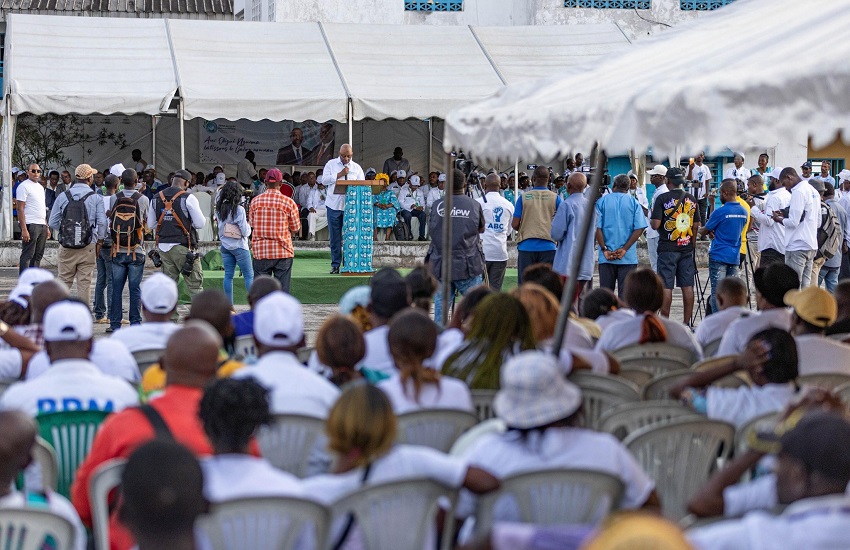
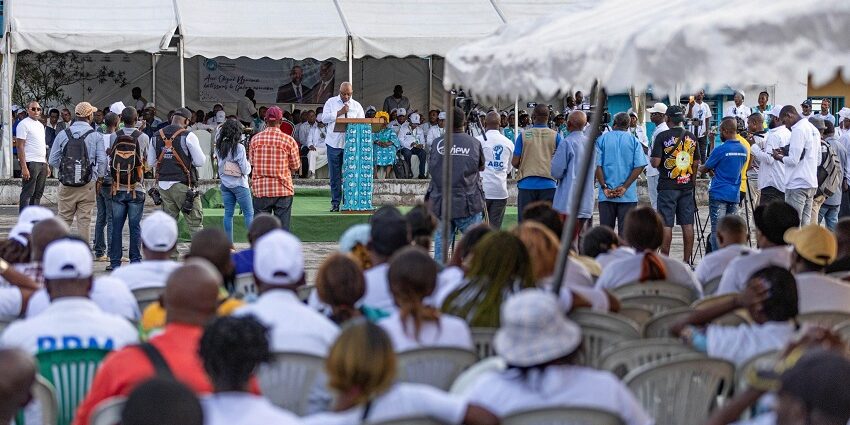
Libreville, November 26, 2026 — Gabon’s political landscape is poised for a pivotal shift today as the Rally for the Homeland and Modernity (RPM) convenes its fourth extraordinary congress in Libreville. At the heart of the gathering lies a critical question: will the party chart a bold new course by merging with the ruling Union for Democracy and Building (UDB)?
The stakes couldn’t be higher. With debates swirling around a potential absorption of the RPM into the UDB, this congress represents far more than routine party business—it could redefine Gabon’s political alliances for years to come.
An extraordinary congress with national implications
The RPM’s executive secretariat has framed the event’s agenda broadly, focusing on the party’s political positioning without detailing specific resolutions. Yet the symbolism is undeniable. Scheduled to begin at 2:00 PM in Libreville’s fourth arrondissement, the congress brings together delegates from across Gabon’s provinces, raising expectations of far-reaching decisions.
Two days prior, RPM leader Alexandre Barro Chambrier—alongside key figures Jean-Robert Goulongana and UDB Secretary-General Mays Mouissi—met with UDB founder and President Brice Clotaire Oligui Nguema. The encounter followed months of behind-the-scenes negotiations between the two parties, culminating in a joint statement affirming their commitment to deeper cooperation.
Mouissi confirmed that working groups are finalizing terms for aligning the RPM and UDB, with formalization anticipated at the UDB’s upcoming December 5th congress. Barro Chambrier emphasized the need to optimize political resources, deferring further specifics until after Thursday’s vote. These signals suggest the merger hypothesis is no longer speculative—it’s an active policy consideration.
From political alignment to institutional integration
The current momentum traces back to Gabon’s August 30, 2023 transition, when the RPM endorsed the transitional government led by Oligui Nguema. This alignment deepened during the November 2024 constitutional referendum and the 2025 presidential election, where Barro Chambrier served as the Estuary Region campaign coordinator. His subsequent appointments as Vice President of the Government and later Vice President of the Republic cemented his role in the new administration.
Another key development: on November 20, former REAGIR members led by François Ndong Obiang joined the UDB, amplifying calls for party consolidation. While these defections reflect individual loyalty shifts, the RPM’s potential merger would mark a structural transformation—potentially signaling the end of its autonomous existence.
Preserving party identity amid unification talks
The RPM’s core challenge is balancing institutional survival with strategic unity. A full absorption would dissolve the party, while a negotiated integration could preserve certain structures under the UDB umbrella. But delegates must weigh profound questions: What becomes of RPM’s leadership? How will activists transition? What guarantees exist for preserving the party’s legacy?
At stake is not just the RPM’s future but the broader dynamics of Gabon’s ruling majority. A merger could solidify the UDB’s dominance, reshaping the political chessboard and redefining opposition parameters. For Barro Chambrier, Thursday’s vote is a defining moment—one that could either entrench his legacy or initiate a new chapter in Gabonese political unity.
The congress doesn’t just decide the RPM’s alignment—it may determine the trajectory of Gabon’s democratic experiment itself.
Comments are closed, but trackbacks and pingbacks are open.