The ambush that triggered a political earthquake
On the morning of September 26, 2022, a military convoy en route to Djibo—a town under siege in northern Burkina Faso—became the target of a devastating ambush near the village of Gaskindé. The attack, later claimed by the Group for the Support of Islam and Muslims (GSIM), an Al-Qaeda-affiliated faction, left at least 37 dead, including 27 soldiers, and dozens wounded.
The scale of the attack was unprecedented. Not only did it highlight the growing boldness of armed groups operating in the region, but it also exposed critical weaknesses in the military’s operational security. The precision with which the convoy was intercepted raised immediate questions about the level of intelligence and coordination among the assailants.
A coup d’état born from the ashes of Gaskindé
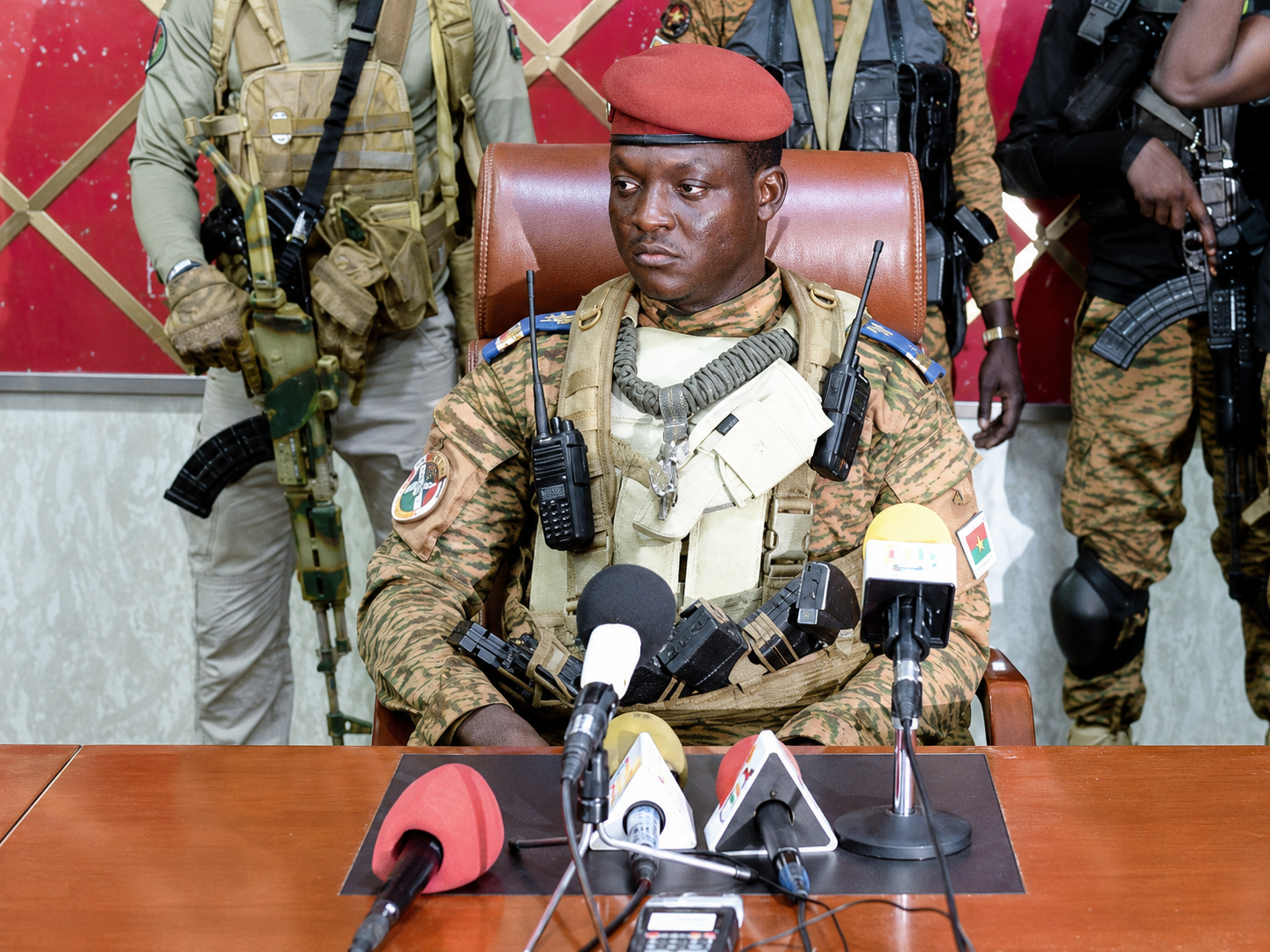
Four days after the ambush, on September 30, 2022, Captain Ibrahim Traoré overthrew the transitional government led by Lieutenant-Colonel Paul-Henri Sandaogo Damiba. The coup was framed as a necessary response to the country’s spiraling security crisis, with Gaskindé cited as a symbol of the previous regime’s failures.
Yet, the swiftness of Traoré’s rise introduced a troubling paradox: while the attack served as a catalyst for political change, the circumstances surrounding it remained shrouded in ambiguity. Investigations into the incident were abruptly halted, leaving unanswered questions about the chain of command, potential internal collusion, and the adequacy of security protocols.
The silence that fuels uncertainty
In the aftermath of such a high-profile attack, a transparent inquiry would typically be expected. This would include a detailed public report, the identification of those responsible, and, where applicable, disciplinary or judicial measures. However, none of these steps have been taken in the case of Gaskindé.
Three key factors continue to fuel speculation and distrust:
- Lack of official clarity: No comprehensive report has been released to explain how the convoy was so effectively targeted.
- No visible accountability: Despite the magnitude of the attack, no public action has been taken against any military personnel or commanders potentially involved.
- Unresolved grief for families: Victims’ relatives remain in the dark about the exact circumstances of their loved ones’ deaths.
This absence of transparency not only undermines public trust in the military but also raises doubts about the integrity of the current leadership’s commitment to accountability.
From tragedy to justification: the political paradox
The Gaskindé attack was weaponized to justify the overthrow of Damiba’s administration. Traoré’s narrative centered on the need to restore security and correct the shortcomings of the previous regime. Yet, once in power, the new leadership has not pursued the investigation with the same vigor.
If the coup was intended as a break from past failures, why has the regime avoided shedding full light on one of the most damning incidents that precipitated the change? The lack of follow-through leaves a gaping void in the official account of events, allowing skepticism to take root.
Transparency as a cornerstone of governance
A government that demands accountability from its predecessors must also hold itself to the same standard. The failure to clarify the events of Gaskindé sends a troubling signal: while past errors are loudly condemned, the current administration is reluctant to confront its own potential failings.
This double standard erodes credibility and reinforces the perception that power is exercised without sufficient checks. In a country grappling with extremist violence, such opacity can have dire consequences, as it fosters an environment where speculation thrives and trust erodes.
The hidden costs of ignored vulnerabilities
History has shown that insurgent groups often exploit systemic weaknesses—be it in intelligence, logistics, or internal rivalries—to inflict maximum damage. The Gaskindé ambush is a stark reminder of this reality.
A thorough investigation would not only address the immediate tragedy but also serve as a lesson for the military’s future operations. Ignoring these vulnerabilities risks repeating the same mistakes, while transparency could pave the way for reforms that strengthen both operational efficiency and public confidence.
The enduring demand for justice
Nearly four years after the attack, the families of the victims, the soldiers on the front lines, and the citizens of Burkina Faso deserve answers. The closure of this chapter cannot come without truth—a truth that must be established through an independent, credible, and fully transparent inquiry.
Nations do not build lasting stability on unresolved tragedies. The shadow of Gaskindé will continue to loom over Burkina Faso’s political landscape until the full circumstances of the attack are made public. Only then can justice be served, and the path toward healing truly begin.