Sénégal : Guy Marius Sagna s’interroge sur les objectifs du Dialogue national initié par le président Diomaye
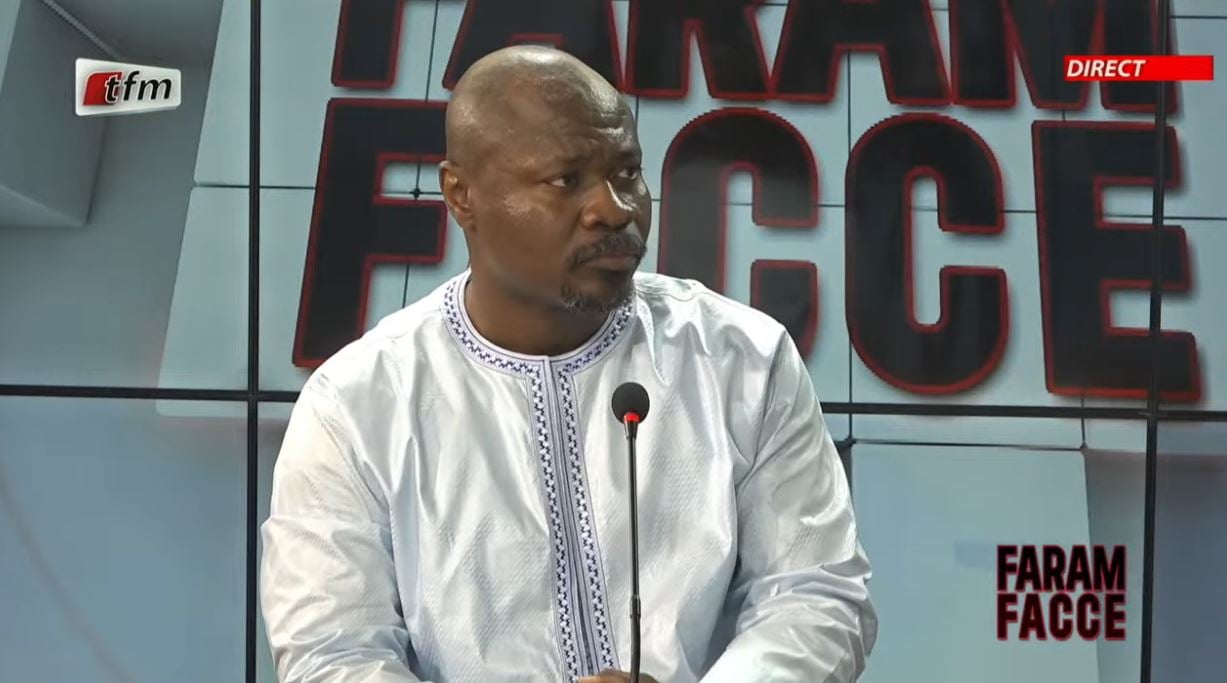
Deputy Guy Marius Sagna has expressed strong reservations regarding the format of President Diomaye’s “Dialogue national,” criticizing its legal framework and deeming its objectives outdated. In his view, without genuine structural transformation and a focus on local mechanisms, this initiative risks serving narrow political agendas rather than addressing fundamental citizen concerns.
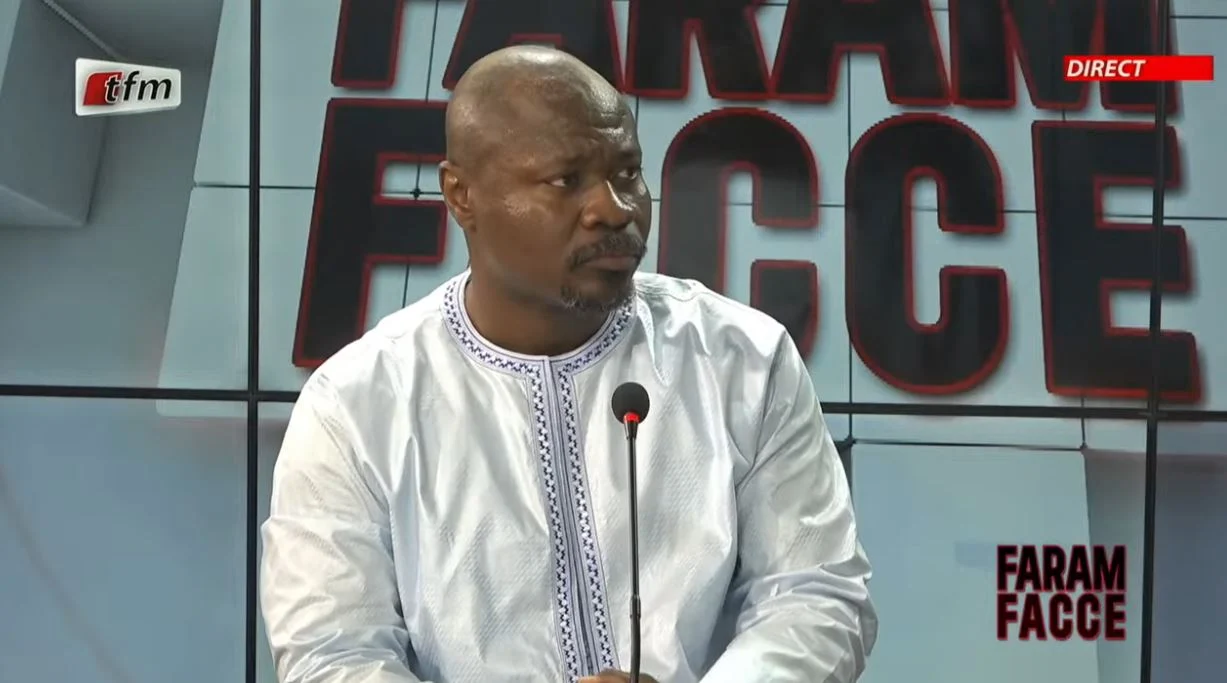
The esteemed Deputy Guy Marius Sagna has voiced sharp criticism regarding the announced “Dialogue national,” challenging its stated objectives, legal foundation, and overall relevance within Senegal’s current political transformation. This is a significant development in Africa politics English discussions.
In a widely circulated statement, the parliamentarian asserted that “one does not lead a revolution with colonial or neo-colonial tools,” directly referencing the institutional framework governing the political dialogue. He contends that the present process is ill-equipped to facilitate genuine, structural change for the nation.
Concerns over the 2016 Decree
Sagna also specifically targeted the continued application of the 2016 decree pertaining to the organization of the National Dialogue, which he considers obsolete. He advocates for its repeal, arguing that abrogating it would empower local consultation mechanisms, particularly within territorial collectives, municipal councils, and the National Assembly, giving them a more prominent role.
Furthermore, the deputy questioned the ultimate purpose of the ongoing dialogue, suggesting it might be a mere “political operation” detached from the real interests of the citizenry. He expressed concern that the process could potentially be manipulated to include or exclude specific political actors from future electoral contests.
In his discourse, the PASTEF parliamentarian posited that maintaining the existing legal framework could undermine the transformative commitments championed by the current administration. He urgently called for a fundamental overhaul of dialogue mechanisms, urging that they be re-anchored in a dynamic of national sovereignty and closer engagement with the Senegalese populace.
This intervention by Guy Marius Sagna emerges amidst ongoing political discussions surrounding the structure and implementation details of the National Dialogue, drawing significant attention in African news today.
- → CAN U17 : le onze des Lionceaux pour la qualification face à l’Algérie dévoilé
- → Difficultés financières du Sénégal : ce que Emmanuel Macron aurait dit à Bassirou Diomaye Faye
- → Kalidou Koulibaly dans la liste malgré sa blessure ? Les grandes tendances avant l’annonce de Pape Thiaw