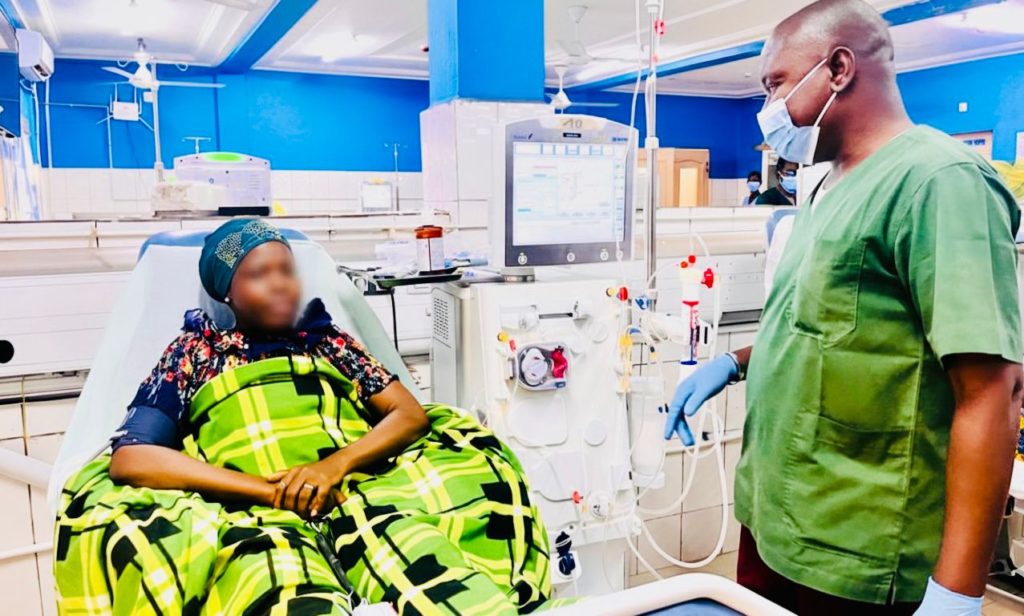
For a long time, obtaining medical treatment was an unattainable dream for thousands of citizens in Burkina Faso. A massive financial wall stood between the sick and the hospital. However, since March 13, 2024, the government has dismantled this barrier. By slashing the prices of essential medical exams and removing the mandatory deposit for dialysis in public facilities, the state has fundamentally reshaped healthcare access. Here is a look at the impact on the ground.
Inside the crowded corridors of national hospitals, the atmosphere is often heavy with urgency and past anxieties. In the past, health was treated more like a luxury for the wealthy rather than a basic right for everyone. High deposits and the staggering cost of specialized tests meant many were left behind.
At the busy Bogodogo University Hospital Center, Madi Diallo stands near the counters, lost in thought. His story is a painful reminder of how financial hurdles can lead to tragedy.
« Three years ago, my sister needed immediate dialysis. We were asked for a 500,000 FCFA deposit that we simply did not have. She passed away because of it », he shares quietly. Today, that deposit is no longer required. « It is a fair decision, though for us, it came too late ».
This personal tragedy reflects a reality once shared by countless families across Burkina Faso. For years, life-saving interventions were strictly tied to a patient’s bank account, creating a literal paywall for survival.
To address this, the authorities in Burkina Faso launched a major reform to make medical services more economically accessible. Effective March 2024, the costs for several key diagnostic tests were significantly reduced across all public health centers, providing immediate relief to the population.
The specifics of this initiative were detailed by the Minister of Health, Dr Robert Lucien Jean Claude Kargougou. The updated pricing represents a dramatic shift in public health policy.
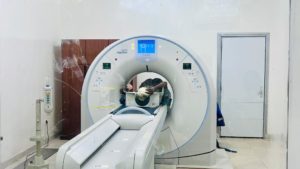
« The price for a CT scan, previously 50,000 FCFA, has been cut to 25,000 FCFA. MRI costs dropped from 100,000 to 40,000 FCFA. Most importantly, the 500,000 FCFA mandatory deposit for dialysis has been completely abolished », he stated.
This move has been warmly welcomed, as it removes the primary financial obstacles that prevented the most vulnerable social groups from accessing specialized diagnostics and life-sustaining care.
Our observations in the field confirm that these price drops are not just on paper but are being strictly applied. On Tuesday, July 22, 2025, the Bogodogo University Hospital Center was already buzzing with activity in the early morning hours as patients lined up at the payment windows.
The reality of affordable MRI and dialysis
At Bogodogo, the new rates are a daily reality. Dame Ouédraogo, formerly Nikiéma Élodie, who came for a pelvic MRI, expressed her relief.
« The price is now very manageable. I paid 40,000 FCFA, including the necessary products. Elsewhere, this same test could cost 150,000 FCFA or more », she explained. The savings of over 100,000 FCFA allow her to maintain her family and social obligations.
Seydou Nombré, the Director General of CHU Bogodogo, confirmed the implementation: « The MRI is now 40,000 FCFA, and the 500,000 FCFA dialysis deposit is gone. Patients no longer need to pay in advance. For emergency dialysis, the fee is now just 2,500 FCFA ».
Impact in the Oubritenga region
The reform’s reach extends beyond the capital. At the Ziniaré Regional Hospital Center, the price reductions are also in full effect. Furthermore, the facility has seen an improvement in its equipment and service offerings.
Patients can now complete all required exams locally at the new rates, avoiding the expensive and long journey to Ouagadougou. Mady Zorné, Director General of CHR Ziniaré, noted that medical evacuations to the capital have dropped significantly.
« Physicians now have the imaging tools they need to make accurate diagnoses right here. This accessibility improves the entire care chain », the doctor added.
Challenges at Yalgado Ouédraogo Hospital
By Wednesday, July 23, 2025, the report continued at the Yalgado Ouédraogo University Hospital Center, the nation’s largest medical hub. The facility operates under constant pressure, with medical staff working around the clock to manage the massive flow of patients.
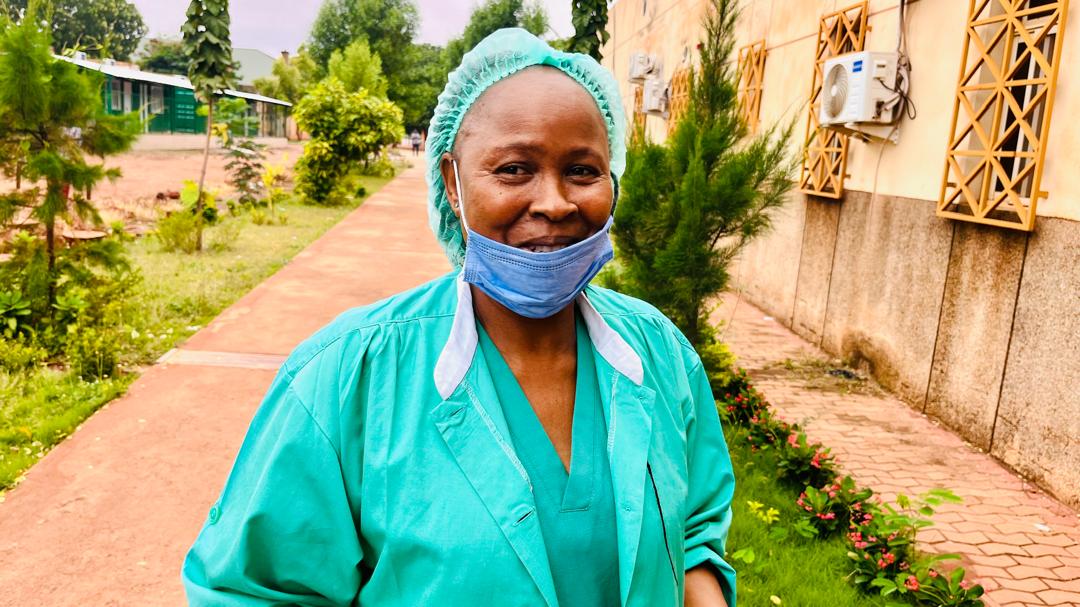
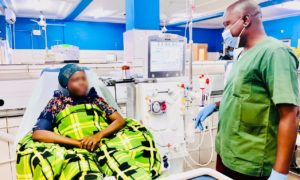
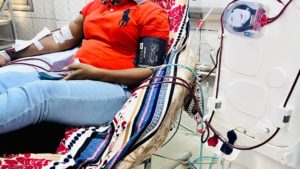
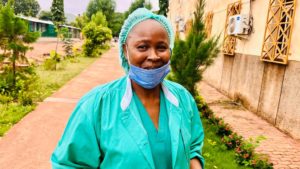
In the dialysis unit, 34 machines serve nearly 100 patients daily through three rotations. Tuina Nsoma Hélène, the department’s head nurse, highlighted that the removal of the 500,000 FCFA deposit has been a game-changer, though logistical limits remain.
« Since the reform, 16 new patients have started treatment without the deposit hurdle. However, the number of machines is still a constraint. Often, a new spot only opens when a patient passes away », she admitted. She also suggested that reducing the costs of monthly follow-up exams would further help chronic patients.
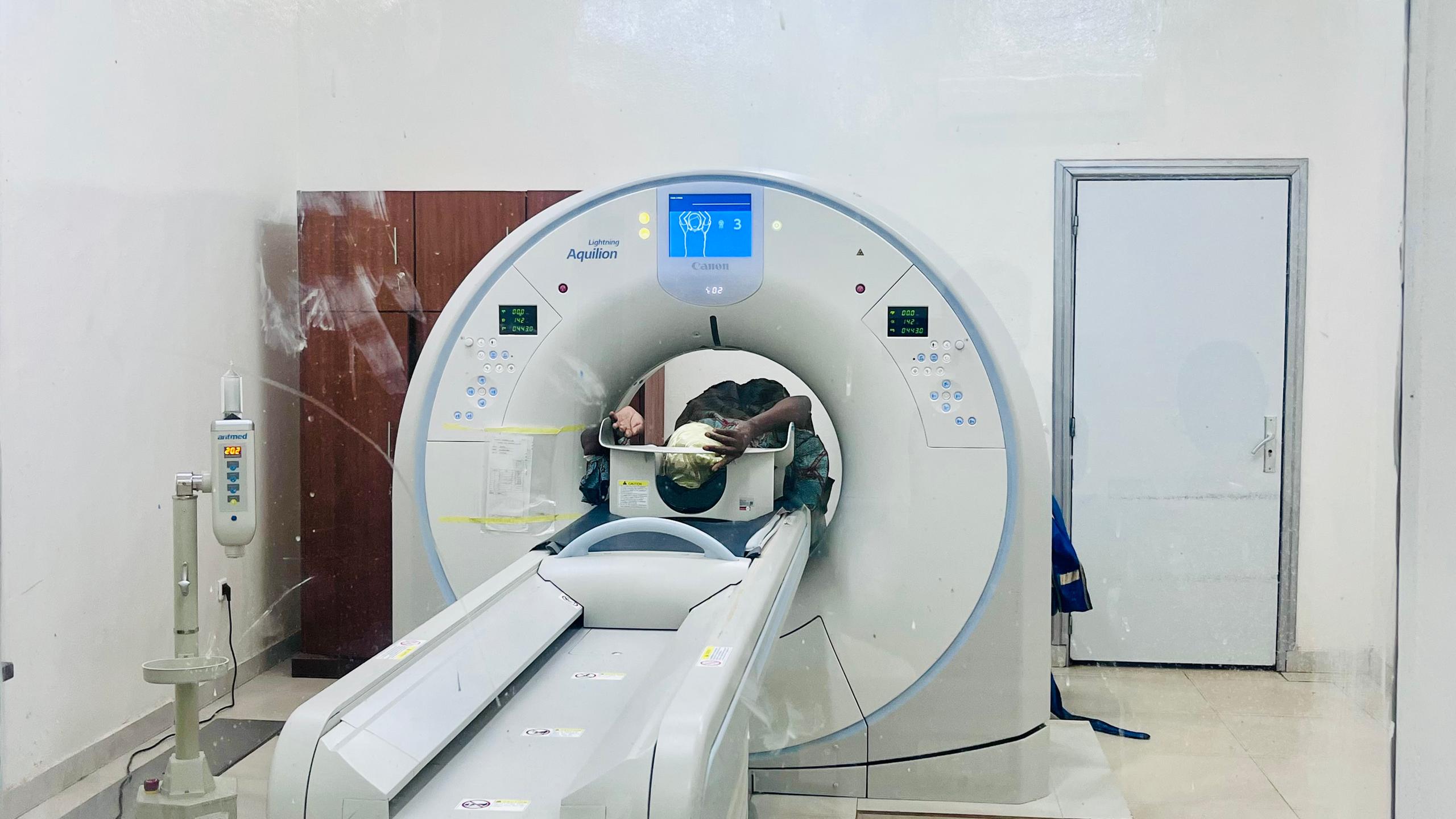
Professor Nina Astrid Ouédraogo, head of Radiology at Yalgado, reported a 38% increase in CT scans performed over the last year, proving that the demand was always there, just suppressed by high prices.
Observations in Bobo-Dioulasso
In the economic capital, Bobo-Dioulasso, the Sourou Sanou University Hospital Center (CHUSS) is also seeing the effects. Élie Ouattara, a patient at the facility, smiled as he described how affordable basic medical supplies and tests have become.
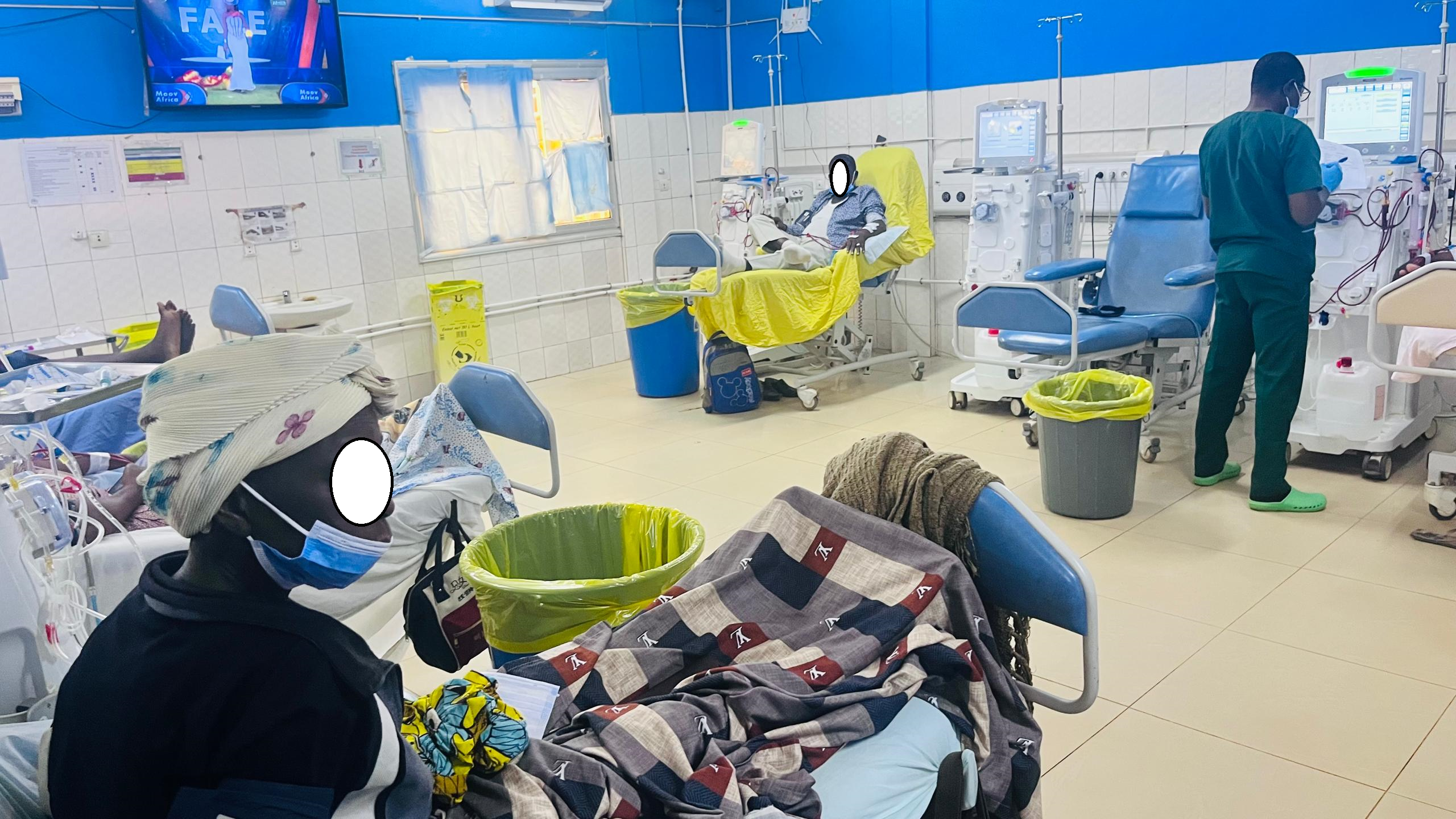
Dr Hamidou Sawadogo, a nephrologist at CHUSS, confirmed that while the reform is active, space remains a major issue. With 125 chronic dialysis patients already being followed, only 17 new ones could be integrated since the changes began. He emphasized the need for more equipment and staff to meet the growing demand.
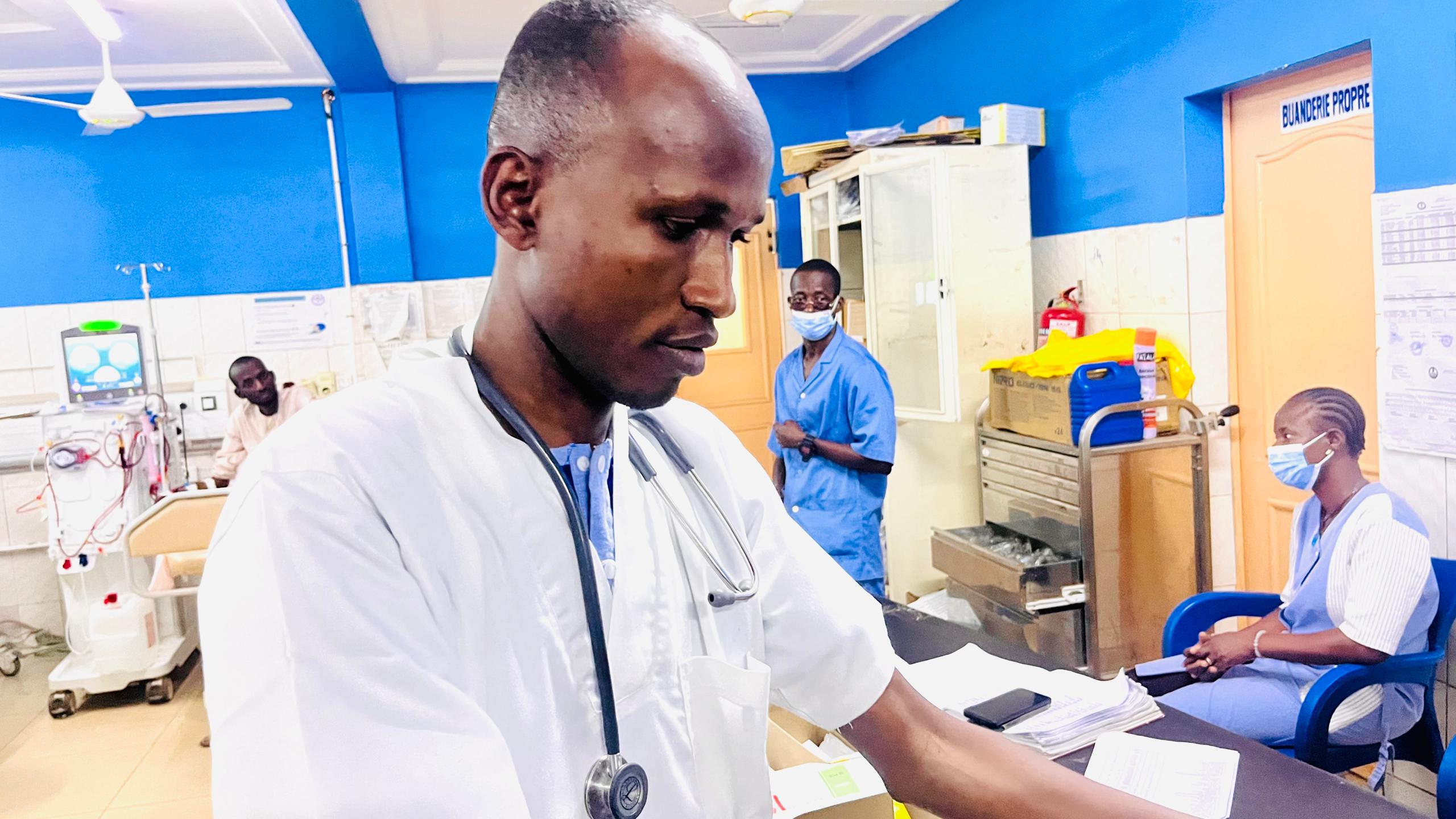
Dame Sanou, born Traoré Salimata, who has battled kidney failure since 2018, waited two years to start treatment because of the 500,000 FCFA deposit. Seeing that barrier removed for others now gives her hope that the dignity of all patients is being recognized.
Another patient, Youl Sié, highlighted the social impact of these health issues. He called for the decentralization of dialysis centers so that patients can receive care in their own communities without being uprooted from their families.
Progress in the health sector of Burkina Faso is moving forward steadily. While challenges like equipment shortages and long waiting lists persist, the fear of a crushing hospital bill is beginning to fade for many.
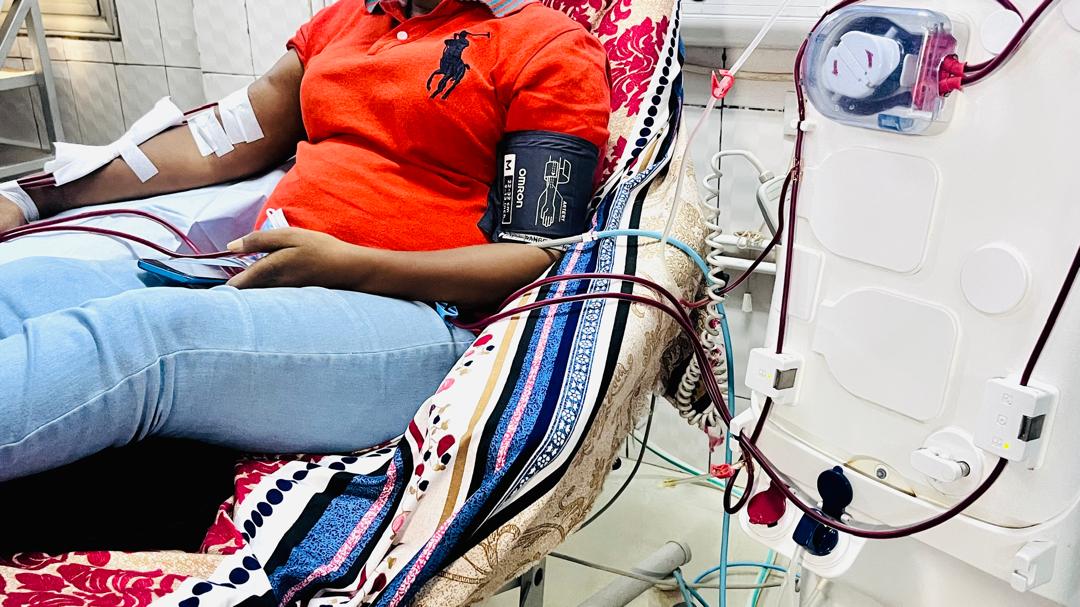
In this nation, health is slowly transforming from a privilege into a right. Further bolstering this momentum, Captain Ibrahim Traoré recently inaugurated the Pala University Hospital Center and its radiotherapy unit, with nine additional high-standard hospitals planned for the future.
Portfolio
Comments are closed, but trackbacks and pingbacks are open.