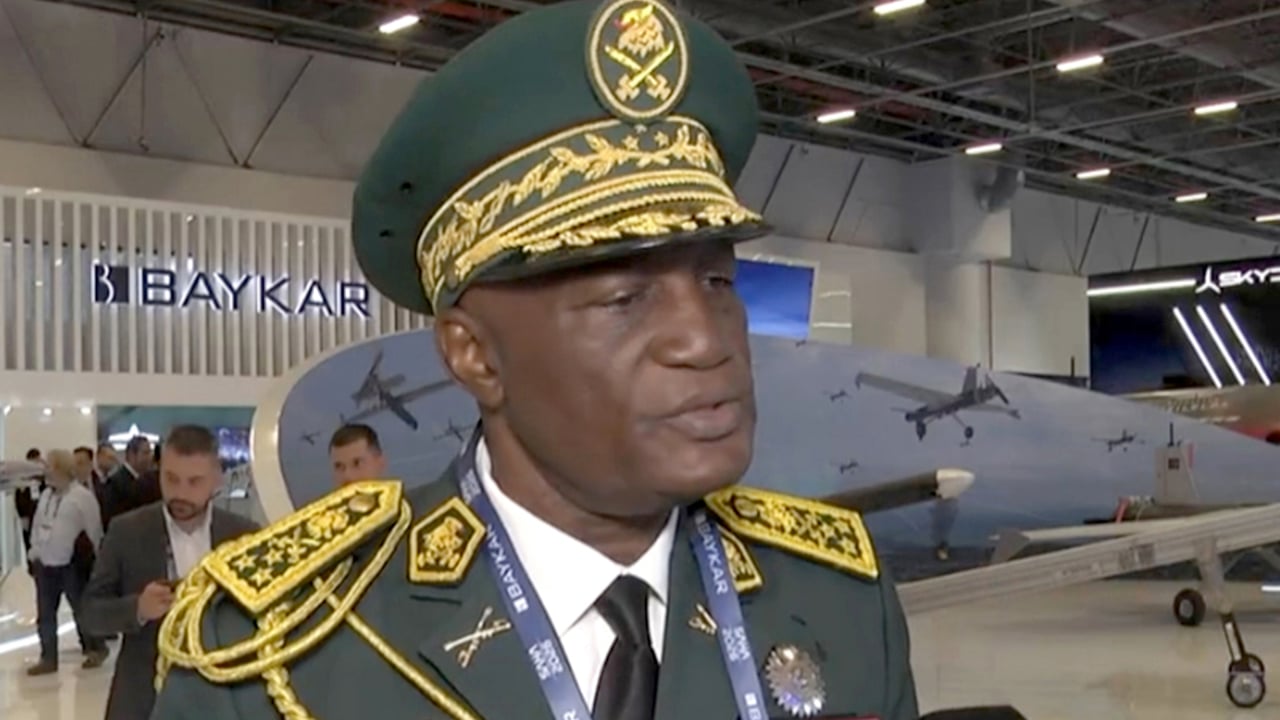
In the landscape of Cameroon’s defense strategy, one name stands out as a pivotal figure: Major-General Hippolyte Ebaka. His recent appointment has reshaped the nation’s military hierarchy, placing him at the center of national security decisions. But who exactly is this officer, and what does his rise signify for Cameroon’s armed forces?

From the battlefield to high command: Ebaka’s military journey
Hippolyte Ebaka’s ascent through the ranks of Cameroon’s armed forces reflects decades of service and strategic leadership. His career spans critical operations, including counterinsurgency efforts and peacekeeping missions, where his tactical acumen earned him recognition. The promotion to major-general places him among the top military echelons, signaling confidence in his ability to steer the nation’s defense agenda.
Ebaka’s influence isn’t confined to Cameroon. His participation in international forums, such as the Saha Expo 2026 in Istanbul, underscores his role as a key player in regional security discussions. These engagements highlight his expertise beyond national borders, reinforcing his reputation as a forward-thinking military strategist.
What his leadership means for Cameroon’s defense strategy
The appointment of Major-General Ebaka comes at a time when Cameroon faces multifaceted security challenges, from internal threats to regional instability. His leadership is expected to bring a fresh perspective to the nation’s military doctrine, emphasizing modernized training, enhanced intelligence capabilities, and closer collaboration with allied forces.
Under his command, the armed forces may see accelerated modernization efforts, including the adoption of advanced technologies and streamlined operational protocols. This shift aims to bolster Cameroon’s readiness in responding to evolving threats, ensuring the protection of its citizens and strategic interests.
Key priorities in his agenda
- Strengthening counterterrorism measures: Addressing the persistent threat posed by armed groups requires innovative strategies and robust coordination with neighboring countries.
- Enhancing military logistics: Improving supply chains and infrastructure to support rapid deployment and sustained operations.
- Fostering international partnerships: Leveraging alliances with global powers to access cutting-edge defense technologies and training programs.
Public perception and the role of leadership
In Cameroon, the appointment of a new military leader often sparks public debate about governance and security. Ebaka’s leadership is viewed as a critical step toward reinforcing stability, particularly in regions affected by conflict. His ability to communicate a clear vision for the armed forces’ future will be instrumental in gaining public trust and international credibility.
While challenges remain, Ebaka’s track record suggests a commitment to transparency and efficiency. His approach to leadership—rooted in experience and adaptability—positions him as a stabilizing force in Cameroon’s uncertain security landscape.
Looking ahead: Cameroon’s military in transition
The trajectory of Cameroon’s armed forces under Major-General Ebaka’s leadership will be closely watched. His strategic decisions could redefine the nation’s defense posture, influencing both domestic stability and regional dynamics. As Cameroon navigates a complex security environment, Ebaka’s role will be pivotal in shaping a safer future for the country.
With his appointment, the military’s focus appears to be shifting toward proactive measures, anticipating threats rather than merely reacting to them. This forward-looking approach may set a new standard for military leadership in Central Africa.
Comments are closed, but trackbacks and pingbacks are open.