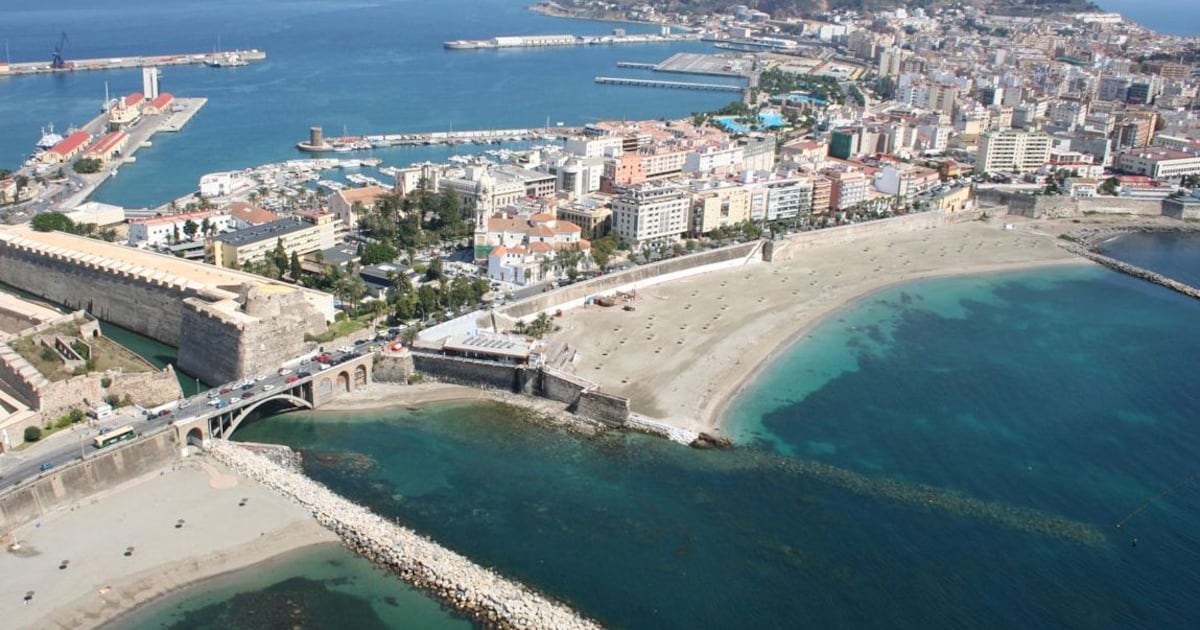
The strategic enclave of Ceuta has once again emerged as a critical battleground in the fight against international terrorism, particularly jihadist networks, thanks to robust security cooperation with Morocco. Recent operations have uncovered the intricate ties between illicit financing—through smuggling and drug trafficking—and terrorist recruitment, which has long plagued the region.
Morocco’s intelligence and security services have played a pivotal role in dismantling these networks, preventing multiple planned attacks in Ceuta that could have resulted in devastating bloodshed. Their vigilance has repeatedly exposed how illicit funds fuel extremist ideologies, with many recruits hailing from within the city itself. This cross-border collaboration has become indispensable in safeguarding Ceuta, a gateway to Europe from North Africa that remains a high-priority target for terrorist groups.
Security forces recently conducted a series of high-stakes raids in Ceuta, targeting a decentralized and far more elusive threat: digital terrorism. Unlike traditional cell-based networks, these operatives rely on online platforms for propaganda, recruitment, financing, and coordination with international affiliates. The shift to cyber-based extremism has made counterterrorism efforts even more complex, requiring advanced monitoring and rapid response strategies.
Official data from Spanish authorities highlights the scale of these threats. Between 2012 and June 2026, Spain carried out 458 anti-terror operations, leading to 816 arrests linked to jihadist activities. Ceuta alone accounted for 19 operations in the same period, resulting in 40 detentions. In the first half of 2026, Spain executed 37 operations, arresting 68 individuals—a clear testament to the ongoing, high-stakes nature of this fight.
The success of these operations hinges on seamless coordination between Spanish and Moroccan security forces. Morocco’s proactive stance in monitoring terrorist cells has been instrumental in disrupting plots before they materialize, reinforcing Ceuta’s defenses against evolving extremist threats. This partnership underscores the importance of regional cooperation in combating transnational terrorism.
Comments are closed, but trackbacks and pingbacks are open.