
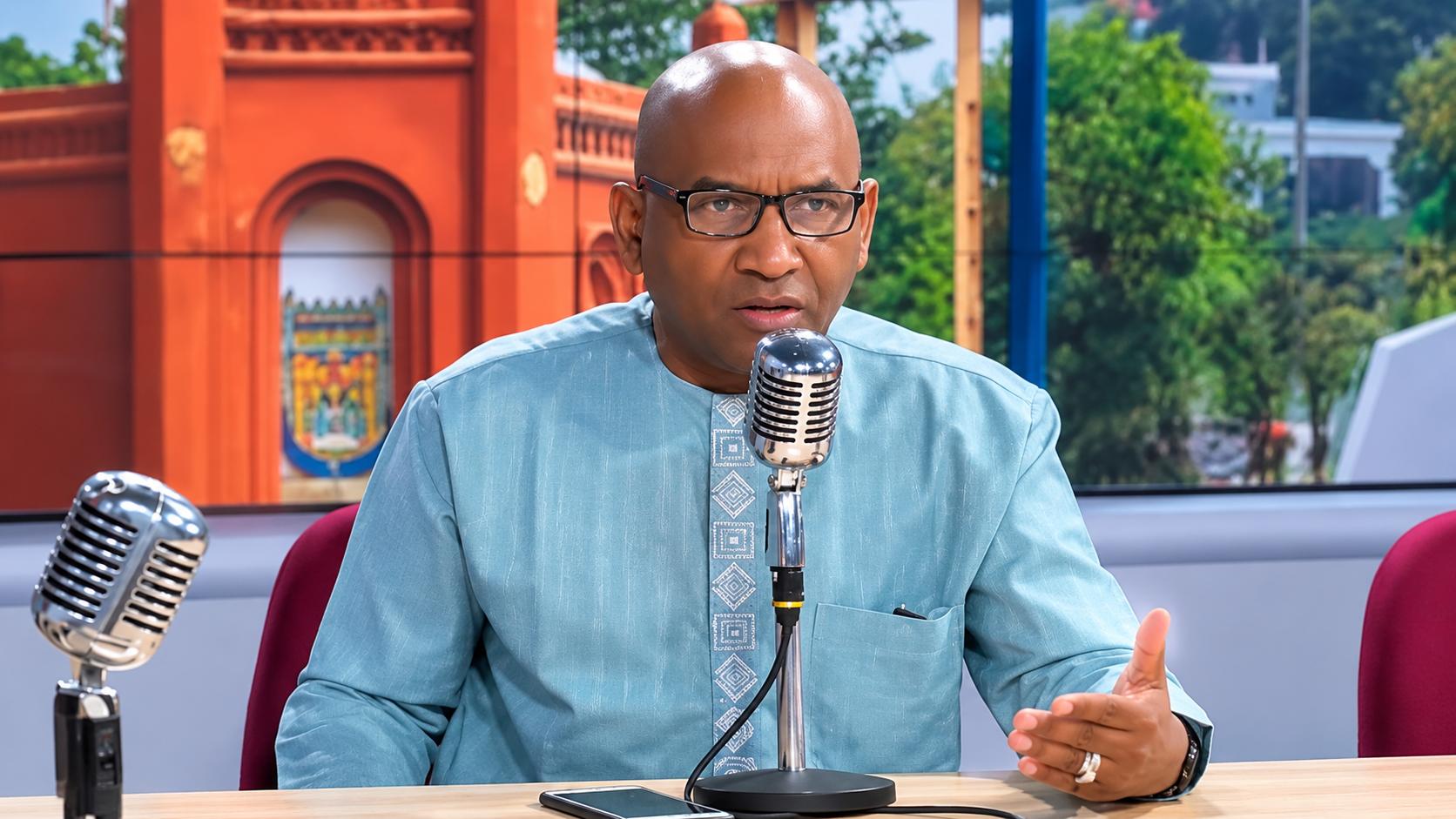
The prosecution of journalist Abdrahamane Keïta before the specialised cybercrime court marks a dangerous escalation in the military junta’s campaign to silence independent reporting in Mali. The experienced reporter is being targeted simply for providing an honest assessment of the deteriorating security situation in Kidal, where the national army has faced significant setbacks.
Instead of addressing the public’s growing anxieties regarding instability in the north, the authorities in Bamako have chosen to weaponise the judicial system against critical observers. By exploiting cybercrime laws, the administration aims to enforce absolute silence and eliminate any public scrutiny over its military strategies.
A systemic strategy to silence dissent through detentions and conscription
- In Mali, prominent commentator Mohamed Youssouf Bathily, widely known as Ras Bath, remains behind bars for his outspoken opinions. Similarly, academic Étienne Fakaba Sissoko is serving a prison sentence after publishing a book critical of state propaganda. Activist Rokia Doumbia was also jailed for speaking out against the rising cost of living and governance failures, while other public figures, including Clément Dembélé, have faced arbitrary arrests and enforced disappearances.
- This pattern of repression has spread rapidly across the Sahel. In Burkina Faso, journalists and commentators such as Serge Oulon, Alain Traoré, and Kalifara Séré have been abducted or forcibly conscripted to the front lines after questioning military strategies. Meanwhile, in Niger, seasoned media professionals like Moussa Kaka face relentless harassment and detentions.
Independent reporting treated as a national security threat
The persistent targeting of the press highlights a calculated doctrine: categorising any divergence from the official narrative as an attempt to demoralise the military or undermine state security. As the security situation deteriorates, the transitional government has adopted an uncompromising intolerance toward dissent, effectively outlawing investigative journalism.
The slow suffocation of the domestic media landscape
This latest prosecution deepens an atmosphere of fear designed to purge the public sphere of diverse perspectives. Constant summonses, targeted arrests, and media suspensions are now routine for those refusing to serve as mere mouthpieces for the state. By prosecuting a journalist for reporting the ground reality in Kidal, the authorities reveal their vulnerability and their determination to isolate the nation behind a wall of censorship.
