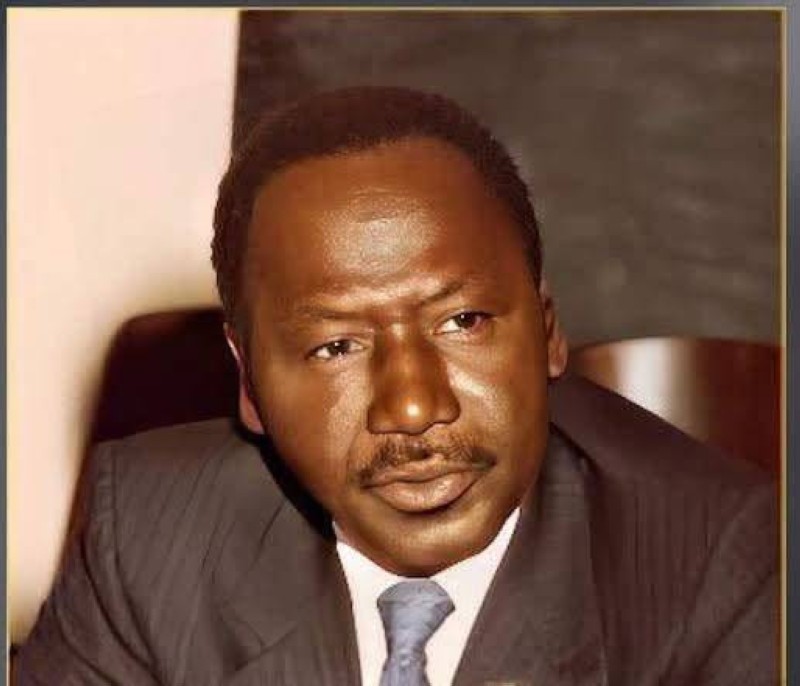
The passing of Abdoulaye Koné on Saturday, September 19, 2026, has sent shockwaves through Ivory Coast, prompting national reflection on his enduring influence over decades of economic policy and regional integration. At 91, the former Finance Minister left behind a career built in the corridors of power, where he shaped fiscal frameworks, guided monetary cooperation, and mentored rising leaders—including Alassane Ouattara.
From budget director to regional architect
Abdoulaye Koné’s journey began far from the public eye. A native of Tingréla in northern Ivory Coast, he rose through the ranks of the Ivorian civil service, first as Director of the Budget—where he helped balance state finances during critical early years—and later as Secretary of State for Budget Affairs. His technical mastery at the helms of fiscal policy earned him national recognition and, in 1960, a place in the cabinet of President Félix Houphouët-Boigny, who guided Ivory Coast through its formative decades of independence.
But Koné’s legacy extends beyond Abidjan. According to presidential tribute, his work played a pivotal role in strengthening the West African Economic and Monetary Union (WAEMU / UEMOA), fostering regional stability and integration. Colleagues recall his quiet influence at the Central Bank of West African States (BCEAO), where his insights shaped monetary coordination that still governs francophone West Africa today.
President Alassane Ouattara, who served alongside Koné during the Houphouët-Boigny era, praised him as a « steadfast advisor and unwavering source of inspiration, » underscoring the personal and professional imprint Koné left on a generation of policymakers.
Public mourning and unanswered questions about Ivory Coast’s future
The news of Koné’s death has ignited a national conversation about what comes next. Public figures, economists, and citizens are now asking: Who will carry forward the institutional wisdom he embodied? What gaps remain in fiscal policy, regional cooperation, and administrative continuity after his departure? These questions are especially urgent as Ivory Coast, now a regional leader, faces new economic challenges—from inflation to global market volatility.
In his official statement, President Ouattara framed Koné’s passing not just as a personal loss, but as a turning point for Ivory Coast’s economic identity. « His life was a testament to service, discipline, and vision, » the president said, calling on the nation to honor Koné’s memory by renewing its commitment to transparent governance and sustainable growth.
What Koné’s legacy means for the next generation of decision-makers
- Administrative continuity: Koné’s deep institutional knowledge—from budget oversight to regional diplomacy—was unparalleled. His departure marks the end of an era for Ivory Coast’s technocratic elite.
- Economic policy debate: Analysts point to Koné’s influence during Ivory Coast’s golden age of growth. His absence now raises concerns about the erosion of fiscal discipline and the preservation of regional integration frameworks.
- Moral leadership: Known for his integrity and low-profile dedication, Koné embodied the ideal of the selfless civil servant. His life serves as a model in a time when public trust in institutions is increasingly fragile.
As Ivorian society reflects on Koné’s contributions, one question lingers: Can Ivory Coast—and West Africa—maintain the equilibrium he helped build without his guiding presence?
This moment is more than a tribute. It is an invitation to recalibrate national priorities and rebuild systems that withstand political and economic turbulence.
In the words of President Ouattara: « The Republic owes much to men like Abdoulaye Koné. Our duty now is to ensure his legacy lives on—not in marble, but in the daily choices we make for our country. »
Condolences extend across West Africa
Though based in Ivory Coast, Koné’s influence reached across the region. Colleagues and peers within WAEMU, including at the BCEAO, have joined in mourning, highlighting the structural impact of his work on regional monetary policy and financial governance. His death is seen as a shared loss for a community that benefited from his expertise.
The nation now awaits the succession—both in policy and leadership—that Koné’s absence demands. One thing is clear: Ivory Coast’s economic future will be written with his shadow still guiding the way.
Comments are closed, but trackbacks and pingbacks are open.