Ivory Coast releases six opposition leaders after nine months in detention
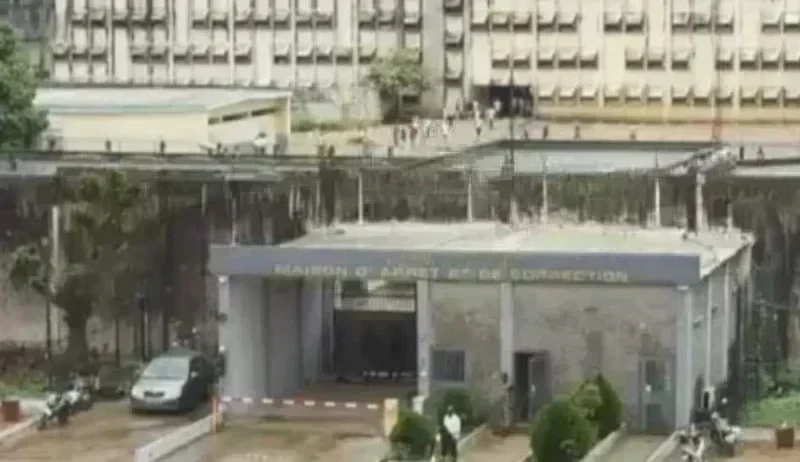
Following a tense presidential election year in 2025, Ivory Coast saw a wave of opposition arrests, with dozens held without charge.
Six local leaders of Ivory Coast’s main opposition party, the Democratic Party of Côte d’Ivoire (PDCI), walked free on Monday after nine months behind bars, their lawyer confirmed.
Arrests amid a charged election season
In 2025, Ivory Coast’s presidential election stirred political tensions, leading to widespread detentions of opposition figures. Me Ange Rodrigue Dadje, their legal representative, took to social media to share the news: “After the hearing before the anti-terrorism chamber this past Monday, July 20, my clients and PDCI activists—Allo Pacôme Didier, Kouleon Manhenin, N’Cho Gnangoran, Mabo Koffi Jean Marc, Ouattara Kinjinlman, and Niangoran N’Guessan Edouard—are finally home after nine months in custody.”
The lawyer did not disclose the reasons behind their release. Earlier in May, two other PDCI members, Clément Kouakou and Denis Brou, had also regained their freedom.
The eight detained PDCI members, all local party officials from various districts of Abidjan, were arrested between late September and early October 2025—a critical period leading up to the presidential vote.
Prominent opposition figures, including PDCI leader Tidjane Thiam and former President Laurent Gbagbo, had already been barred from running due to court rulings.
Across the country, dozens of opposition members, including party cadres, faced arrests or imprisonment. Hundreds more were convicted for participating in unauthorized protests during the campaign, with at least ten fatalities reported.
The authorities maintained that the arrests were unrelated to political affiliation and followed standard investigative procedures.
Recent releases of other political figures
In early July, Moïse Lida Kouassi, a former Defense Minister under Laurent Gbagbo and a member of his party, was freed after nearly a year in detention. Ibrahim Zigui, a cyberactivist aligned with the same political bloc, was also released around the same time.