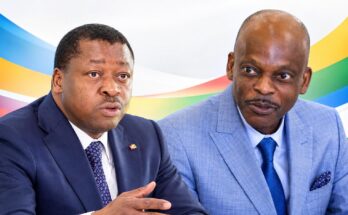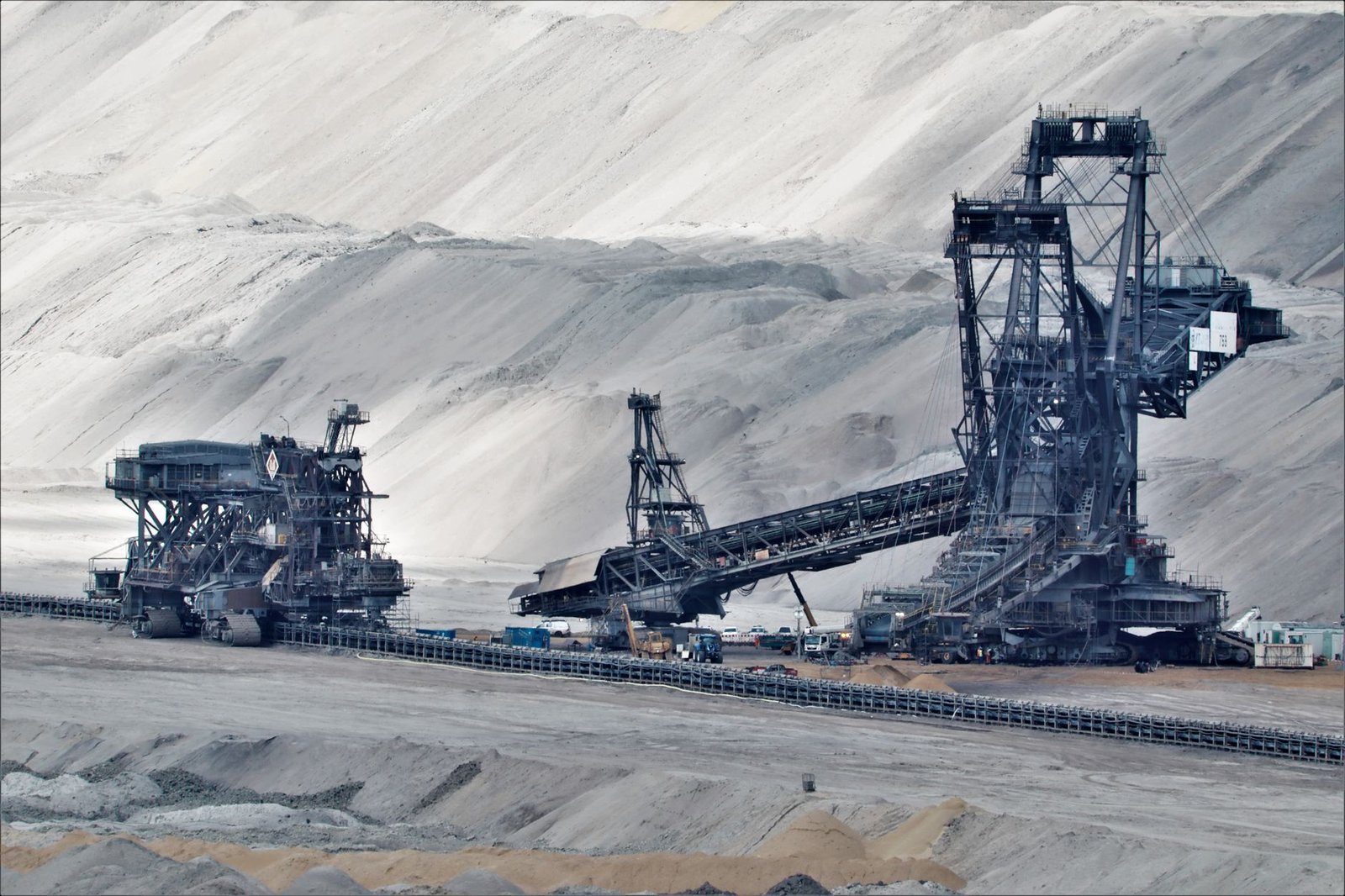
The Gabonese extractive industry is poised for a significant transformation following a landmark agreement signed in Paris. Eramet and its subsidiary Comilog have committed to boosting local manganese processing capacity to 700,000 tonnes annually by 2031, a move long sought by Libreville’s authorities. The historic signing, held at the Élysée Palace on July 20, brought together Gabon’s transitional leader Brice Clotaire Oligui Nguema and top executives of the French mining giant, underscoring the deal’s high-level diplomatic weight.
Industrial shift ends years of mineral export debates
Since the military-led transition in August 2023, Gabonese officials have repeatedly pushed for greater onshore processing of its mineral wealth. Despite being the world’s second-largest manganese producer, the country has historically shipped most of its output as raw ore, allowing foreign industries to capture the added value. The Paris agreement marks a decisive policy shift, though its current form remains non-binding. For Eramet, which has operated in Gabon through Comilog for over six decades, the commitment reflects a response to long-standing local demands. The group, listed on the CAC, derives substantial profits from its Moanda operations in the Haut-Ogooué region. Achieving the 700,000-tonne target will require expanding existing metallurgical units and constructing new industrial facilities to handle the increased volume.
Mining sovereignty drives Gabon’s economic vision
Gabon’s transitional administration has made reclaiming the added value from its mineral resources a cornerstone of its economic strategy. Manganese, a critical input for global steel production and increasingly vital for lithium-ion batteries, sits at the heart of this policy. Local processing promises higher tax revenues, skilled job creation, and a shift toward higher-value market segments. The 2031 deadline provides Eramet with a phased investment roadmap, while also setting a clear political benchmark for the Transition. Success hinges on translating the agreement into concrete financial commitments, feasibility studies, and investment decisions—details neither party has disclosed yet.
The agreement’s signing coincides with a period of diplomatic rapprochement between Libreville and Paris. During his visit to France, President Oligui Nguema leveraged the occasion to strengthen bilateral ties, nearly a year after post-coup normalization efforts began. The Gabonese leader’s presence at the Élysée ceremony elevated the protocol’s significance beyond mere industrial cooperation.
A blueprint for Gabon’s local content strategy
Beyond Eramet, this agreement sets a precedent that could reshape negotiations with other mining operators in Gabon. Authorities may use the model to renegotiate terms for other commodities, from iron ore to rare earths. The government’s ability to enforce the 2031 timeline will serve as a litmus test for its broader mineral sovereignty doctrine. For Eramet, the deal offers potential long-term stability for its Gabonese operations, including secured mining permits. The company, currently navigating challenges in Argentina and Indonesia, stands to benefit from a more predictable African presence. Enhanced local processing could also improve the group’s environmental, social, and governance (ESG) profile—a growing priority for European investors scrutinizing supply chains.
A critical hurdle remains energy supply. Processing 700,000 tonnes of ore demands substantial electricity, and Gabon’s infrastructure gaps persist. Industrial expansion will need to align with a coherent energy strategy to avoid the 2031 target becoming an unmet promise. The high-profile ceremony, attended by senior officials from both nations, underscored the agreement’s political weight.