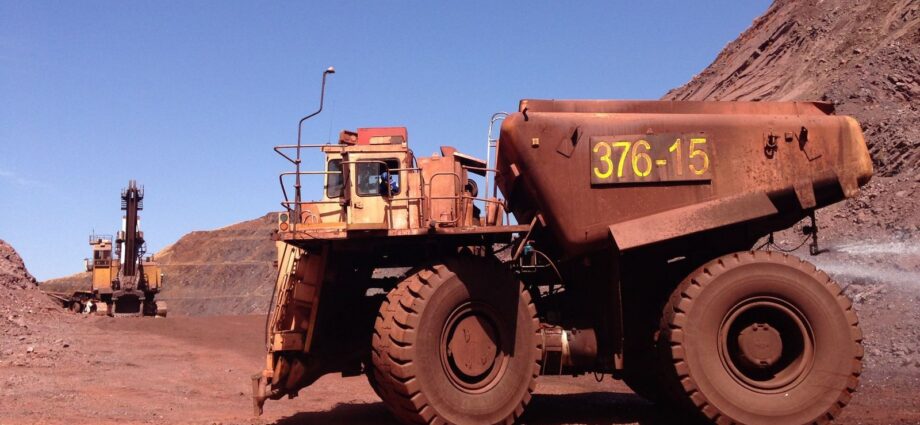
Ivory Coast has launched a bold crackdown on illegal gold mining, a practice that has plagued its rural communities for over a decade. Authorities have begun forcibly removing artisanal miners operating outside legal frameworks, marking a turning point in the country’s mining policy. Abidjan now faces the dual challenge of boosting formal extractive industries while safeguarding its agricultural heartlands from irreparable damage. The government acknowledges the social cost of these expulsions but insists they are necessary to curb the escalating environmental and economic toll.
Illegal mining’s devastating impact on Ivory Coast’s agricultural sector
As the world’s top cocoa producer, yielding around 2.2 million tons annually, Ivory Coast cannot afford to tolerate the coexistence of its thriving orchards and unregulated gold extraction. Illegal mining sites rely heavily on mercury and cyanide, chemicals that permanently poison groundwater, rice fields, rubber plantations, and cocoa groves. Regions in the west and north—particularly around Bouaflé, Hiré, Bouna, and Kong—have witnessed vast tracts of arable land reduced to muddy craters.
The damage extends beyond ecology. Ivorian authorities estimate that unregulated gold mining deprives the state of billions of CFA francs in annual tax revenue, a stark contrast to the 48 tons of gold officially produced by industrial mines in 2023. Compounding these losses are security concerns: clandestine mining operations fuel trafficking networks, facilitate arms circulation, and create lawless enclaves along the northern borders—an area already strained by Sahelian insurgencies.
West Africa’s regional momentum against illegal gold extraction
Ivory Coast’s move is not occurring in isolation. It aligns with a broader West African trend of tightening control over artisanal mining. Burkina Faso has intensified site closures since 2022, citing the need to cut off funding streams for armed groups. Mali expelled scores of foreign miners, including dozens of Chinese nationals, following a 2025 disaster in Kéniéba that claimed over 40 lives. Meanwhile, Guinea has stepped up enforcement in the Siguiri region, a historic hotspot for illegal gold extraction.
This coordinated regional response underscores a shared realization: gold, which surpassed $2,700 per ounce in 2024, lures a mobile workforce that governments struggle to regulate. Burkinabé, Malian, Nigerien, Guinean, and Ghanaian miners—often accompanied by Asian operators with semi-industrial equipment—follow rumors of new deposits across borders. Yet national legal frameworks, designed for multinational mining corporations, remain ill-equipped to address these informal networks.
A high-stakes gamble for Ivory Coast’s leadership
The decision to forcibly remove miners carries significant risks. Informal gold operations sustain the livelihoods of hundreds of thousands in affected regions. Past expulsions between 2014 and 2018 merely displaced miners to new sites, as authorities lacked viable alternatives for local communities. The Mines Ministry reported shutting down over 300 illegal operations during that period, yet the practice persisted unabated.
The success of the current campaign hinges on Abidjan’s ability to balance enforcement with formalization. Ivory Coast adopted a legal framework for semi-mechanized artisanal mining in 2014, but issued permits remain scarce relative to economic pressure. Without robust social programs—such as agricultural retraining and a sustained police presence—the operation risks merely relocating the problem rather than resolving it. Ultimately, Ivory Coast’s fight against illegal gold mining will be won as much in the courts as on the ground.
Comments are closed, but trackbacks and pingbacks are open.