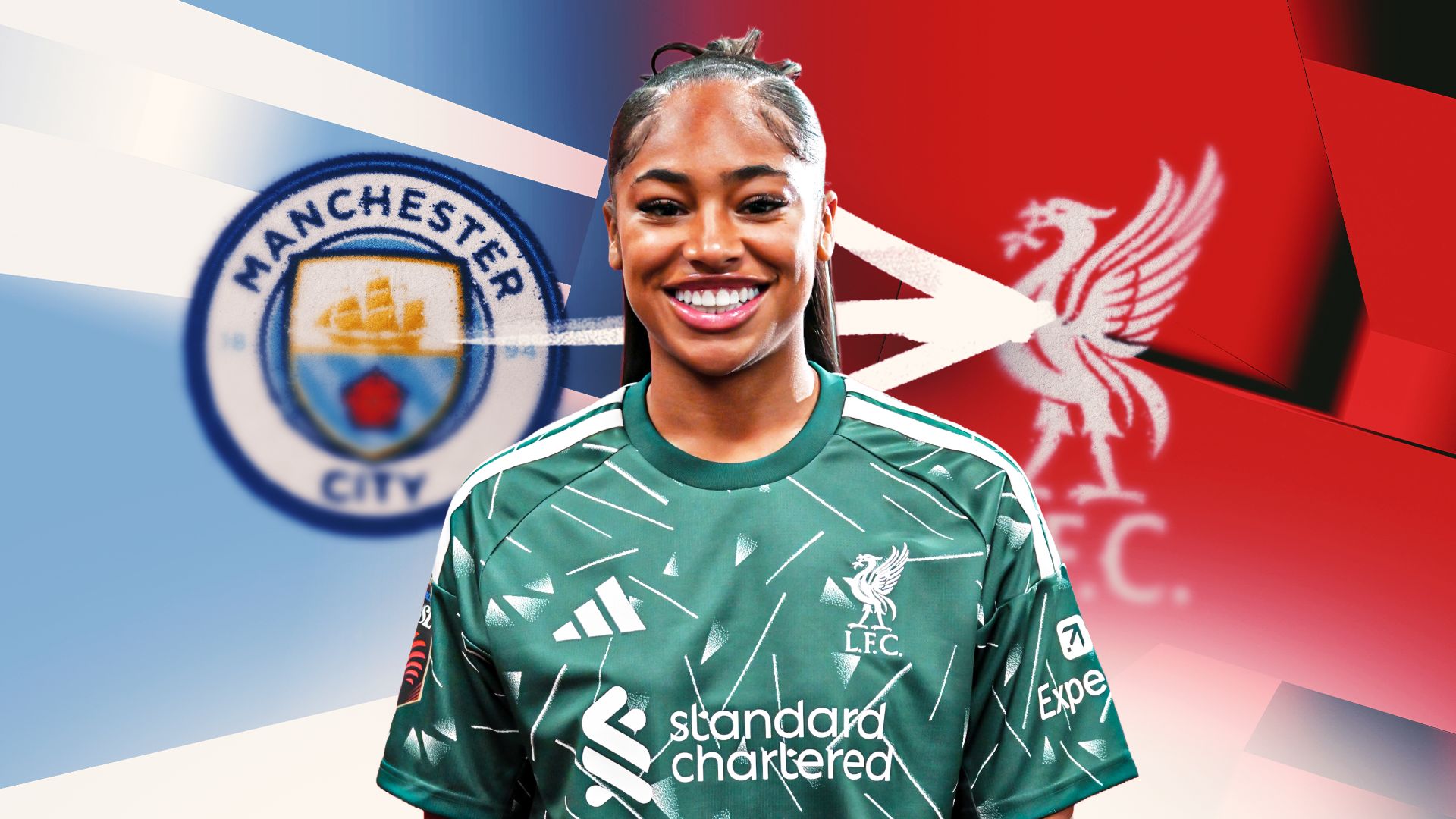
The summer 2026 transfer window has sent shockwaves through women’s football, with blockbuster moves already redrawing the competitive landscape ahead of the 2027 FIFA Women’s World Cup. Among the most significant shifts: Liverpool’s acquisition of former Manchester City goalkeeper Khiara Keating, a transfer that immediately boosts England’s goalkeeper depth while reshaping both clubs’ futures.
how keating’s move could sway england’s world cup squad
Keating’s arrival at Anfield is more than a positional upgrade; it’s a career-defining step. After years as Manchester City’s second-choice keeper, her limited playing time with the reigning WSL champions had begun to affect her national team prospects. Now, with Liverpool needing a long-term solution in goal, Keating gains the consistent game time that could secure her a spot in Sarina Wiegman’s 2027 World Cup squad. The move is a masterstroke for Liverpool, who land a technically gifted goalkeeper without transfer fees, while City must now find a replacement for a player who maintained elite standards even in a backup role.
For Keating, 22, the timing couldn’t be better. With a World Cup on the horizon and England’s goalkeeper competition heating up, Liverpool’s system—known for high pressing and quick transitions—aligns perfectly with her strengths. The young custodian will benefit from working under Gareth Taylor, who nurtured her skills during her time at City, ensuring a smooth transition both on and off the pitch.
other transfers poised to impact england’s world cup ambitions
While Keating’s move dominates headlines, several other transfers are quietly reshaping the WSL and, by extension, England’s squad planning:
- Ona Batlle (Barcelona → Arsenal): The Spanish full-back’s return to England adds depth and quality to Arsenal’s left flank. Though primarily a right-back, Batlle’s ability to invert and provide width makes her a tactical asset. Her arrival creates a formidable defensive duo with Emily Fox, giving Arsenal a stronger foundation as they chase their first WSL title since 2019.
- Georgia Stanway (Bayern Munich → Arsenal)
- Alexia Putellas (Barcelona → London City Lionesses): The Ballon d’Or winner’s move to London City injects world-class experience into a midfield that has struggled to find consistent creativity. Putellas’ arrival could elevate the performances of Grace Geyoro, who had a muted first season in the WSL. While trophies may not come as easily as they did at Barcelona, Putellas’ presence alone raises London City’s ceiling.
- Mary Earps (PSG → London City Lionesses): After a turbulent spell at Paris Saint-Germain, Earps returns to the WSL with a point to prove. London City, which finished a respectable sixth in its debut season, needed a more experienced presence in goal—someone to stabilize a defense that conceded far too many soft goals. Earps’ arrival provides that security, though questions remain over whether she can recapture her England peak form.
- Sam Kerr (Chelsea → Gotham FC): The Australian striker’s move to the NWSL marks the end of an era at Chelsea, where she struggled to replicate her previous dominance after a lengthy injury layoff. At Gotham, Kerr will be tasked with reviving a team that struggled for goals last season. While her move doesn’t directly impact England’s plans, it underscores the global talent redistribution reshaping women’s football ahead of major tournaments.
controversial departures and unexpected winners
Not all transfers are universally celebrated. Barcelona’s decision to let Ona Batlle leave for free stings, particularly after the club’s recent reliance on homegrown talent. Similarly, Manchester City’s loss of Khiara Keating—despite an offer to extend her contract—highlights the challenges of balancing squad harmony with individual ambitions.
On the flip side, clubs like Liverpool and London City are emerging as unexpected beneficiaries. Liverpool’s acquisition of Keating addresses a long-standing weakness, while London City’s signings of Putellas and Earps signal a bold step toward competing with the WSL’s traditional powerhouses. These moves suggest that the 2026 summer window may have reshaped the hierarchy of women’s football in England and beyond.
what’s next for england’s world cup preparations
With the 2027 World Cup now less than two years away, every transfer carries added significance. Clubs are no longer just building for domestic success; they’re shaping squads that could feed directly into Wiegman’s England project. Players like Keating, Batlle, and Putellas aren’t just club signings—they’re potential World Cup contenders.
As the transfer window progresses, the ripple effects of these deals will become clearer. Will Keating’s move to Liverpool solidify her England chances? Can Batlle and Putellas help their new teams challenge for trophies while maintaining their individual brilliance? And crucially, will England’s coaching staff have the flexibility to integrate these players into a cohesive squad by 2027?
The answers to these questions will unfold over the coming months, but one thing is certain: the 2026 summer transfer window has already left an indelible mark on England’s path to the World Cup.
Comments are closed, but trackbacks and pingbacks are open.