Legal Response from Senegal’s Justice Ministry to Sonko’s Inquiry Commissions
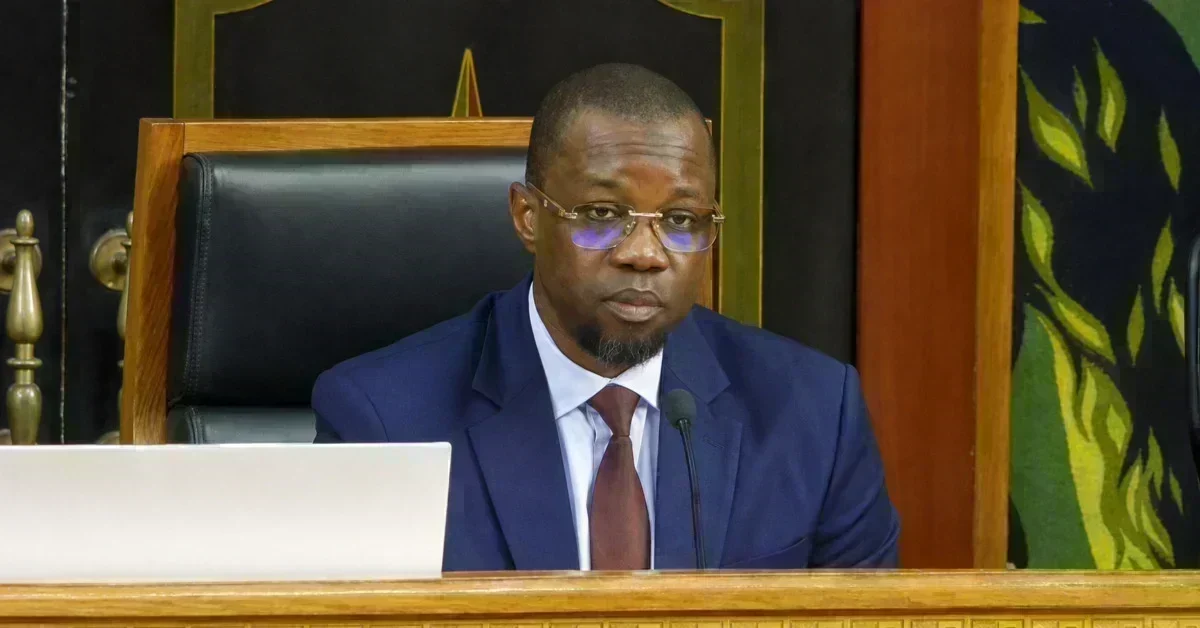
During the legislative session’s opening, the National Assembly President clarified the legal framework governing parliamentary inquiry commissions. He emphasized Senegal’s legal constraints that prevent such commissions from investigating cases already under judicial review.
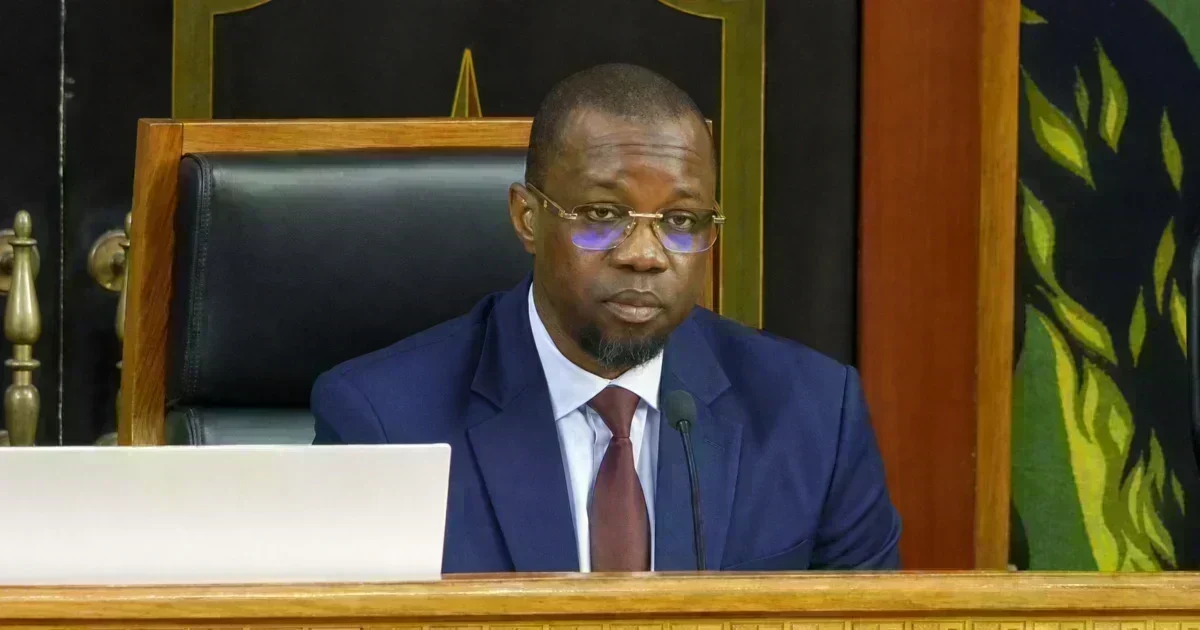
The first extraordinary session of the 2026-2027 legislative year opened on Monday, August 10, with President Ousmane Sonko addressing concerns over the legality of six proposed parliamentary inquiry commissions. These commissions target sensitive issues, including land management near Dakar’s former airport, the ‘One Student, One Laptop’ program, revenue losses from tax exemptions, and fishing license issuance conditions.
To preempt criticism, Sonko outlined the legal boundaries of such initiatives. He stated: ‘The law explicitly prohibits the National Assembly from establishing inquiry commissions on matters already under judicial investigation.’ He further confirmed that he personally verified this compliance with the Minister of Justice. ‘Following my formal request to the Justice Ministry last week, the response confirmed that none of the five cases—except one involving land disputes near Dakar’s former airport—are currently subject to ongoing legal proceedings,’ he explained.
This legal clarification comes as the session, limited to 15 days by organic law No. 2025-11 (August 18, 2025), reviews 11 texts: two proposed laws, three draft laws, and six requests for parliamentary inquiry commissions. The session’s agenda reflects heightened scrutiny of governance, economic, and institutional practices in Senegal.
Comments are closed, but trackbacks and pingbacks are open.