Legal battles escalate for Côte d’Ivoire’s opposition leader
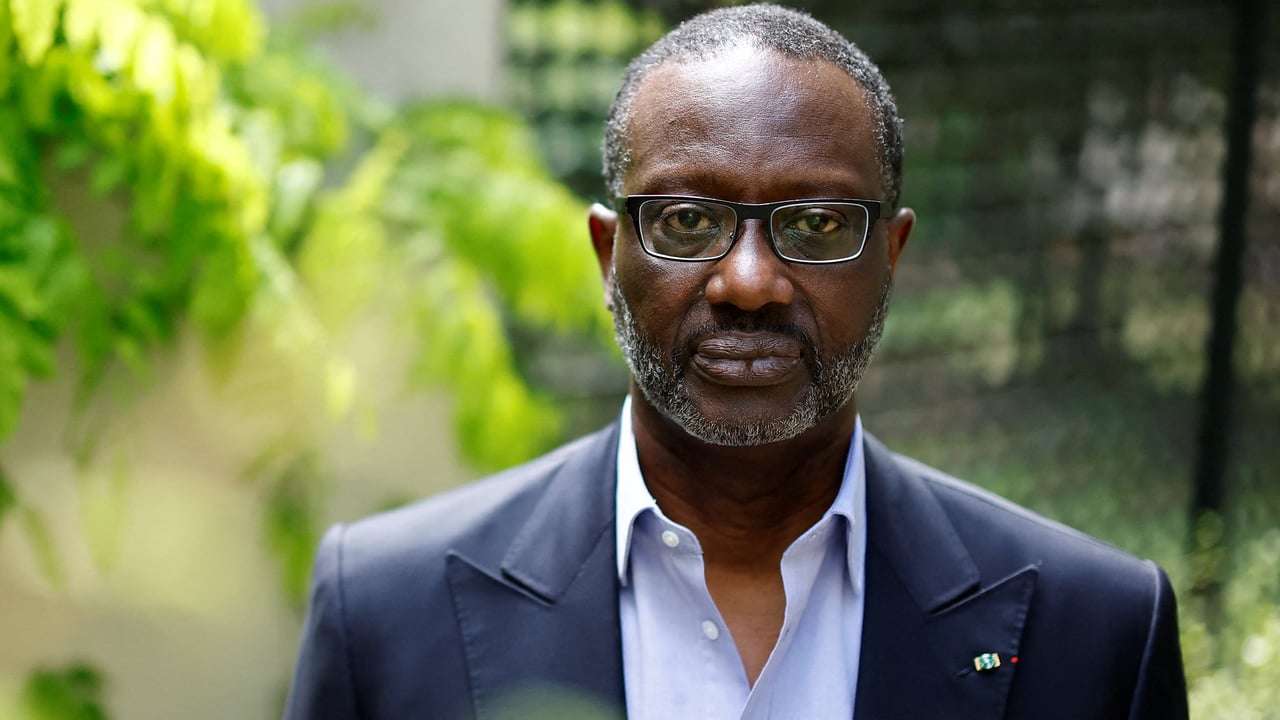
The Democratic Party of Côte d’Ivoire (PDCI) faces unprecedented judicial challenges as its president, Tidjane Thiam, navigates a complex legal landscape. Multiple court proceedings have been initiated against him, raising questions about the party’s stability and future direction.
Key allegations under scrutiny
The legal actions center on financial irregularities and alleged mismanagement during Thiam’s leadership tenure. Investigators are examining several financial transactions that fall outside standard regulatory frameworks. These cases have been escalated to higher courts, indicating the seriousness of the accusations.
Procedural timeline emerges
The judicial process began with preliminary investigations in early 2025, followed by formal charges in mid-year. A series of hearings have been scheduled, with the first major ruling expected within two months. Legal experts suggest this timeline reflects the urgency of the cases.
Party leadership responds
PDCI officials have publicly defended Thiam, citing procedural irregularities in the investigations. Party spokesperson Marie Koré emphasized that all allegations are unsubstantiated and politically motivated. The leadership maintains that the legal challenges are an attempt to destabilize the party ahead of upcoming elections.
Political implications intensify
With Côte d’Ivoire’s political landscape heating up, these legal proceedings add another layer of complexity. Opposition parties are closely monitoring the developments, while government supporters argue the cases demonstrate the rule of law in action. Analysts warn that prolonged legal battles could fracture the PDCI’s unity.
Public reaction mixed
Citizen responses vary widely across the country. In Abidjan, supporters have organized rallies condemning the legal actions as judicial overreach. Meanwhile, critics argue that no leader should be above scrutiny, regardless of political affiliation. Social media platforms are abuzz with debates about transparency in governance.
What happens next
The coming weeks will be decisive. Thiam is expected to appear before the court of appeal for a preliminary hearing, where procedural arguments will be heard. Legal analysts predict that the case could set important precedents for political accountability in Côte d’Ivoire’s judicial system.
The situation remains fluid, with both sides preparing for a prolonged legal and political struggle that could reshape the country’s opposition landscape for years to come.