Mali: 40,000 displaced amid renewed northern violence
Breaking.
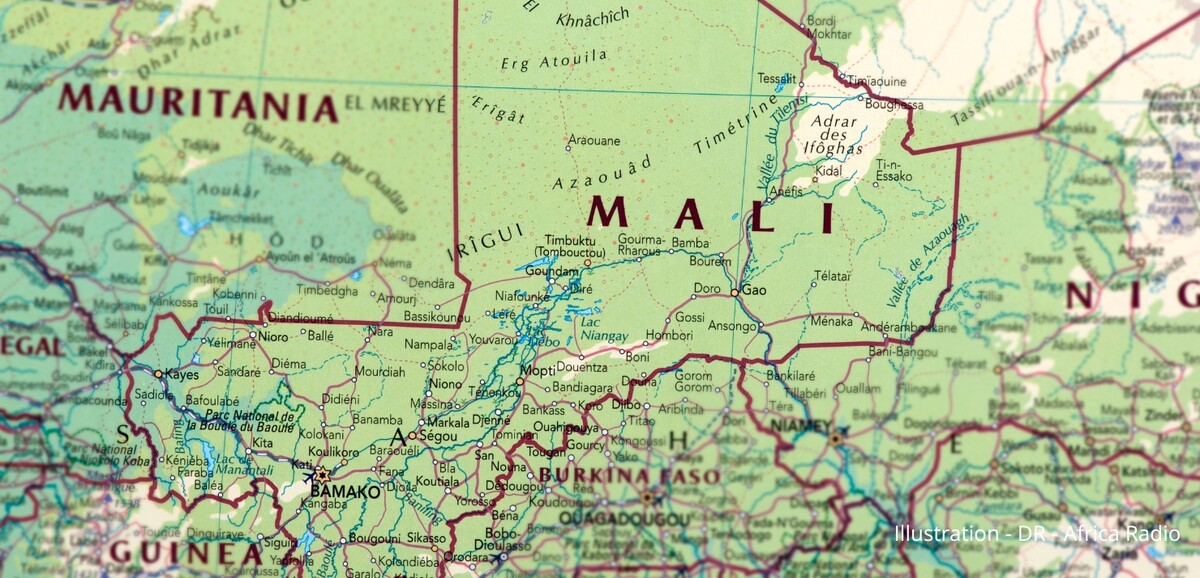
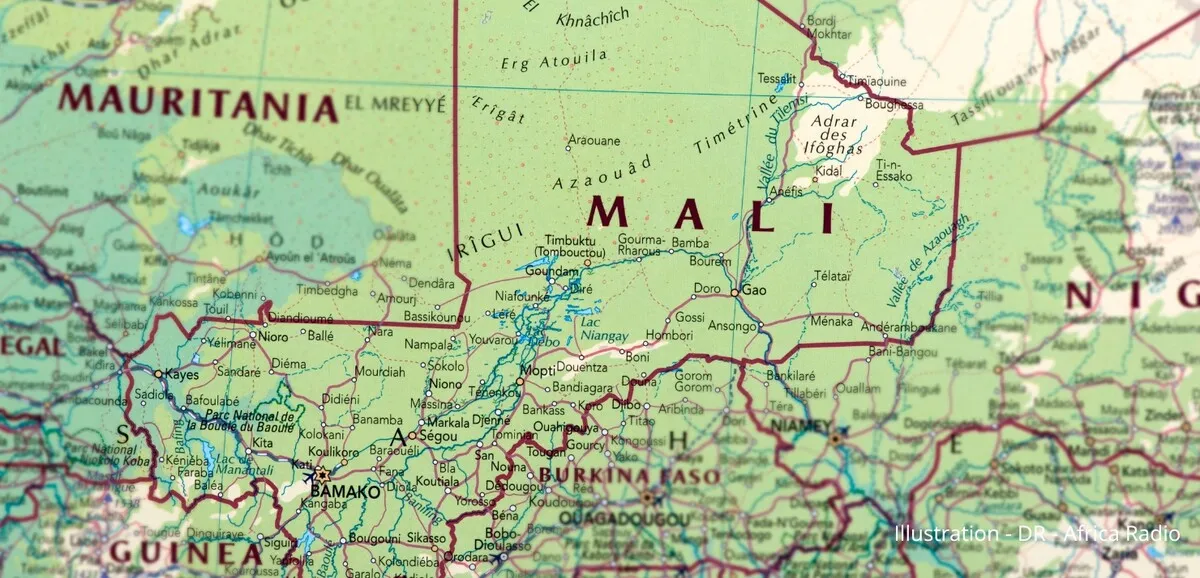
Since late April, renewed clashes and airstrikes in northern and central Mali have forced nearly 40,000 people to abandon their homes. Gao and Ménaka are now hosting large numbers of internally displaced families, with at least 15,000 having sought refuge in these two regions alone.
The security crisis in Mali has escalated sharply, with humanitarian, local, and security sources reporting that nearly 40,000 people have been displaced since late April. A local official in Gao, the largest city in northern Mali, confirms that over 7,000 new displaced persons have arrived in just three months. This surge in displacement is described as unprecedented in recent years.
Kidal becomes the epicenter of the offensive
The recent surge in violence stems from a deteriorating security situation since April’s end. A coalition of jihadist factions under the Group for the Support of Islam and Muslims (JNIM) and separatist National Movement for the Liberation of Azawad (FLA) launched a major offensive. The strategic city of Kidal, in northern Mali, has fallen under their control. Fighting has since intensified around key areas like Anéfis, another critical northern stronghold. For local populations, this resurgence of violence means repeated displacements, abandoned villages, and increasingly limited access to essential services.
Airstrikes trigger fresh displacements
Over the past two weeks, Malian forces have reportedly intensified airstrikes in zones near Kidal, particularly around Tinzawatene. Security sources indicate that some of these strikes have damaged health centers, prompting new waves of displacement. While independent verification remains challenging in these conflict zones, the surge in civilians fleeing combat areas for safer urban centers is undeniable. However, the capacities of host cities like Gao and Ménaka are already stretched thin.
Gao and Ménaka face mounting pressure
The arrival of thousands of displaced persons poses a significant challenge to local authorities and humanitarian groups. Most displaced families originate from Kidal, where conditions have deteriorated sharply since April. They urgently need shelter, food, clean water, medical care, and support for children. This crisis compounds an already fragile humanitarian situation in northern and central Mali, where over 400,000 internally displaced persons are already registered—a figure many humanitarian actors consider an underestimate.
Decade-long crisis deepens
Mali has grappled with a severe security crisis since 2012, driven by jihadist groups linked to Al-Qaeda and the Islamic State, as well as armed community and separatist factions. Since the military coups in 2020 and 2021, transitional authorities have prioritized territorial reconquest and security restoration. Yet the recent escalation highlights the limitations of this strategy.
For northern Mali’s residents, already familiar with multiple displacement waves, the renewed violence has once again forced tens of thousands onto the roads to escape danger. For Gao and Ménaka, the pressing question is no longer just how to accommodate these families but whether they possess the resources to do so. Meanwhile, those still in conflict zones face an uncertain future: how much longer can they remain in their homes?
Comments are closed, but trackbacks and pingbacks are open.