The end of a diplomatic freeze: Bamako and Algiers restore ties
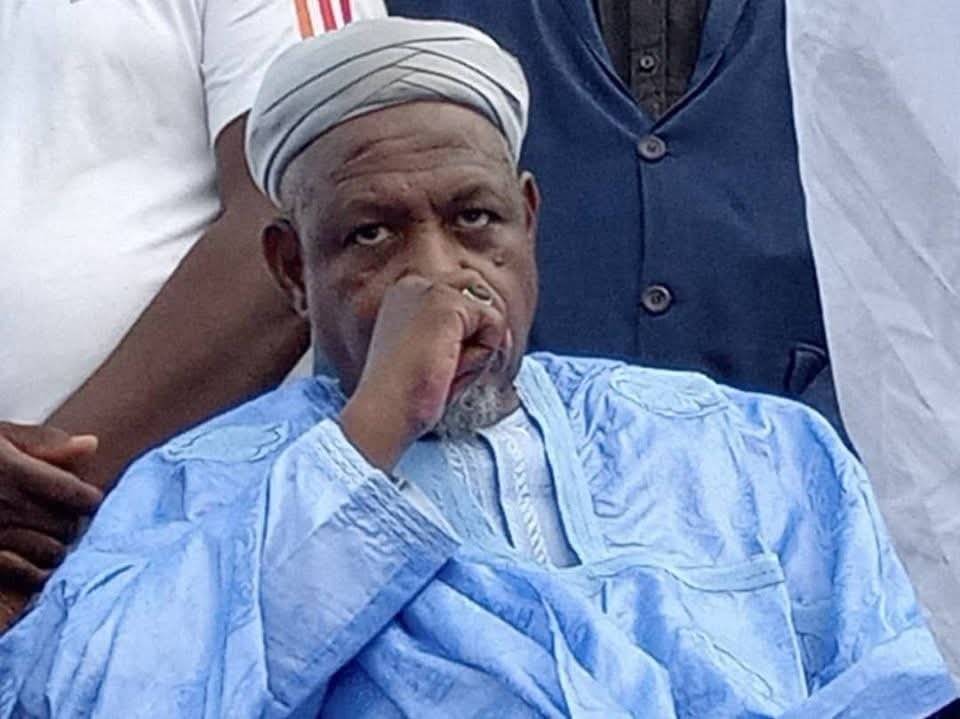
After fifteen months of unprecedented diplomatic tension, Mali and Algeria have formally announced the restoration of their bilateral relations. This strategic thaw, evidenced by the return of ambassadors and the reopening of airspace, is reshaping the geopolitical landscape of the Sahel region. At the heart of this new dynamic lies the uncertain future of Imam Mahmoud Dicko, a prominent socio-political figure currently in exile in Algeria. As the two countries embrace dialogue, the path forward for the influential religious leader hangs in the balance—between the imperative of national reconciliation and the aspirations for democratic renewal.
From rupture to rapprochement: tracing the crisis and its resolution
The seeds of this prolonged standoff were sown in late 2023, when relations between Bamako and Algiers reached a breaking point. Malian authorities accused Algeria of overstepping its diplomatic boundaries by hosting meetings with Tuareg rebel factions from northern Mali without the consent of the transitional government. The final straw came when Mali unilaterally terminated the 2015 Algiers Peace Agreement, a move perceived in Algiers as a direct challenge to its regional mediation efforts. The recall of ambassadors and the suspension of air travel followed, plunging the two nations into a protracted diplomatic standoff that left the Sahel-Saharan border increasingly vulnerable to instability.
The mechanics of reconciliation: how Bamako and Algiers restored trust
Recognizing that prolonged confrontation would only exacerbate shared security threats, both capitals quietly initiated discreet backchannel negotiations. These efforts culminated in a series of tangible steps that signaled a return to normalcy:
- Diplomatic re-engagement: Ambassadors resumed their posts in Bamako and Algiers, restoring the critical channels of communication needed to address cross-border security and humanitarian challenges.
- Revival of air connectivity: The resumption of commercial and military flights has reinstated vital economic and logistical ties between the two Sahelian neighbors.
- Reinforced security collaboration: With terrorism persisting across the region, intelligence sharing and joint counter-terrorism operations have once again become a priority, particularly along the 1,300-kilometer shared border.
This diplomatic thaw underscores the resilience of regional diplomacy, proving that even deep-seated grievances can yield to the collective pursuit of stability.
Mahmoud Dicko: a bridge to Mali’s democratic future?
As Mali and Algeria rebuild their partnership, the question of Imam Mahmoud Dicko’s role takes on new significance. Exiled since the onset of the crisis, Dicko’s position remains precarious—but potentially pivotal. Far from being a mere dissident, he is widely viewed by Malians as a stabilizing force, a moral compass capable of uniting divergent factions.
Emerging as a central figure in the 2020 mass protests that led to the ousting of former President Ibrahim Boubacar Keïta, Dicko has consistently advocated for an inclusive, civilian-led transition. In a nation grappling with fragmentation and striving for national cohesion, his voice carries weight. His advocacy for a comprehensive national dialogue encompassing all societal groups positions him as a key figure in shaping Mali’s democratic trajectory. The possibility of his return—or continued influence from abroad—could serve as a catalyst for legitimizing a future civilian transition.
Navigating the path forward: Algeria’s role and Dicko’s dilemma
The restored ties between Bamako and Algiers inevitably raise questions about the conditions of Dicko’s stay—or eventual return. While Algeria may feel compelled to curb his political activities to avoid further straining relations with Mali, this détente also presents an unprecedented opportunity for mediation. As a key regional player in peacebuilding, Algeria is uniquely positioned to facilitate a constructive dialogue between Dicko and Malian authorities. A carefully managed return, framed as a contribution to national reconciliation, could send a powerful message of de-escalation and renewal.
Diplomacy as a force for democratic renewal
The resumption of Mali-Algeria relations marks a turning point for Sahelian stability. By closing the chapter on fifteen months of confrontation, both nations affirm that cooperation is the only viable path to address shared challenges. In this context, the future of Imam Mahmoud Dicko is not merely a diplomatic footnote—it is an opportunity. By leveraging his moral authority and unwavering commitment to democratic restoration, Bamako and Algiers can transform this reconciliation into a foundation for lasting peace and governance in Mali.
Comments are closed, but trackbacks and pingbacks are open.