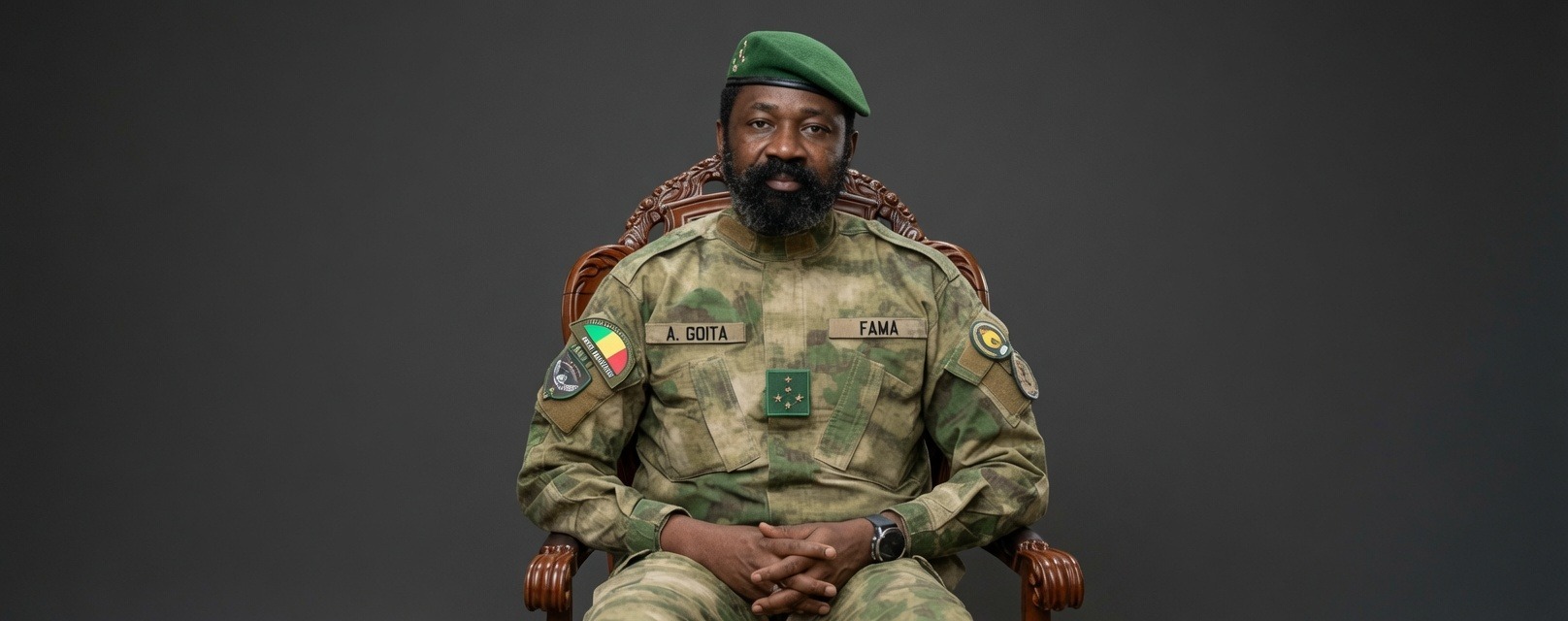
The art of crisis communication in Mali has evolved into a finely tuned performance. On a recent Tuesday, the Directorate of Information and Public Relations of the Armed Forces (DIRPA) unveiled yet another set of impressive figures, this time for the months of June and July. According to Colonel-Major Bakary Bocar Maïga, the military claims to have ‘neutralized’ 1,850 terrorists, destroyed 45 bases, and reduced hundreds of vehicles and motorcycles to ashes. Yet, behind these staggering numbers lies a troubling absence of verifiable proof.
Statistical Inflation Without Substance
The sheer scale of these claims raises serious questions about their credibility. How can an army, no matter how committed, tally nearly two thousand enemy combatants killed in just eight weeks without presenting any independent documentation? In the conflict zones of West Africa, military communications have increasingly sidestepped the need for evidence. No independent agency, civil society organization, or neutral observer has been granted access to these battlefields to validate these triumphant announcements.
The term ‘neutralized’ itself remains frustratingly vague. Does it refer to armed fighters killed in combat, suspects detained during raids, or civilians caught in the crossfire of operations in areas now sealed off from external scrutiny? Without clear identification protocols or named lists, the line between local populations and armed groups remains dangerously blurred.
Ground Realities Contradict Official Narratives
There is a stark disconnect between the military’s glowing reports and the persistent insecurity gripping daily life in Mali. If nearly 2,000 insurgents have been eliminated and their logistical networks dismantled, why do major roads continue to face constant ambush threats? Why must convoys transporting essential supplies, such as fuel tankers, be escorted by vast military contingents if forest hideouts and terrorist sanctuaries have truly been purged?
The recent attacks on key installations in San, Konna, and simultaneous assaults by the Jama’at Nusrat al-Islam wal Muslimin (JNIM) in the North and East paint a very different picture. Far from being ‘severely weakened,’ armed groups demonstrate remarkable resilience, coordinating multi-pronged offensives against strategic garrisons. Such claims of an ‘imminent victory’ seem more like rhetorical flourishes than tactical realities.
The Role of Africa Corps and Information Control
This communication strategy also serves to justify the current transitional government’s strategic choices, including the Plan Dougoukoloko and the deepened partnership with the Russian Africa Corps contingent. By showcasing dramatic military achievements, Bamako aims to legitimize the sidelining of traditional allies and the substantial financial investments poured into the security sector.
Yet, by restricting information flows and criminalizing dissenting analyses of the security situation, the military leadership in Bamako enforces a one-sided narrative where victory is always on the horizon, but never substantiated. Until the DIRPA prioritizes transparency over numerical bravado, these proclaimed victories will continue to fuel skepticism among those enduring the harsh realities of growing insecurity on the ground.
Comments are closed, but trackbacks and pingbacks are open.