Security tensions mar Mali’s Tabaski celebration
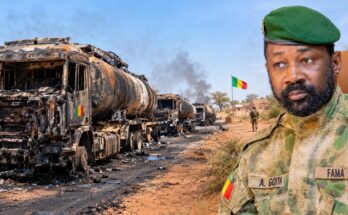
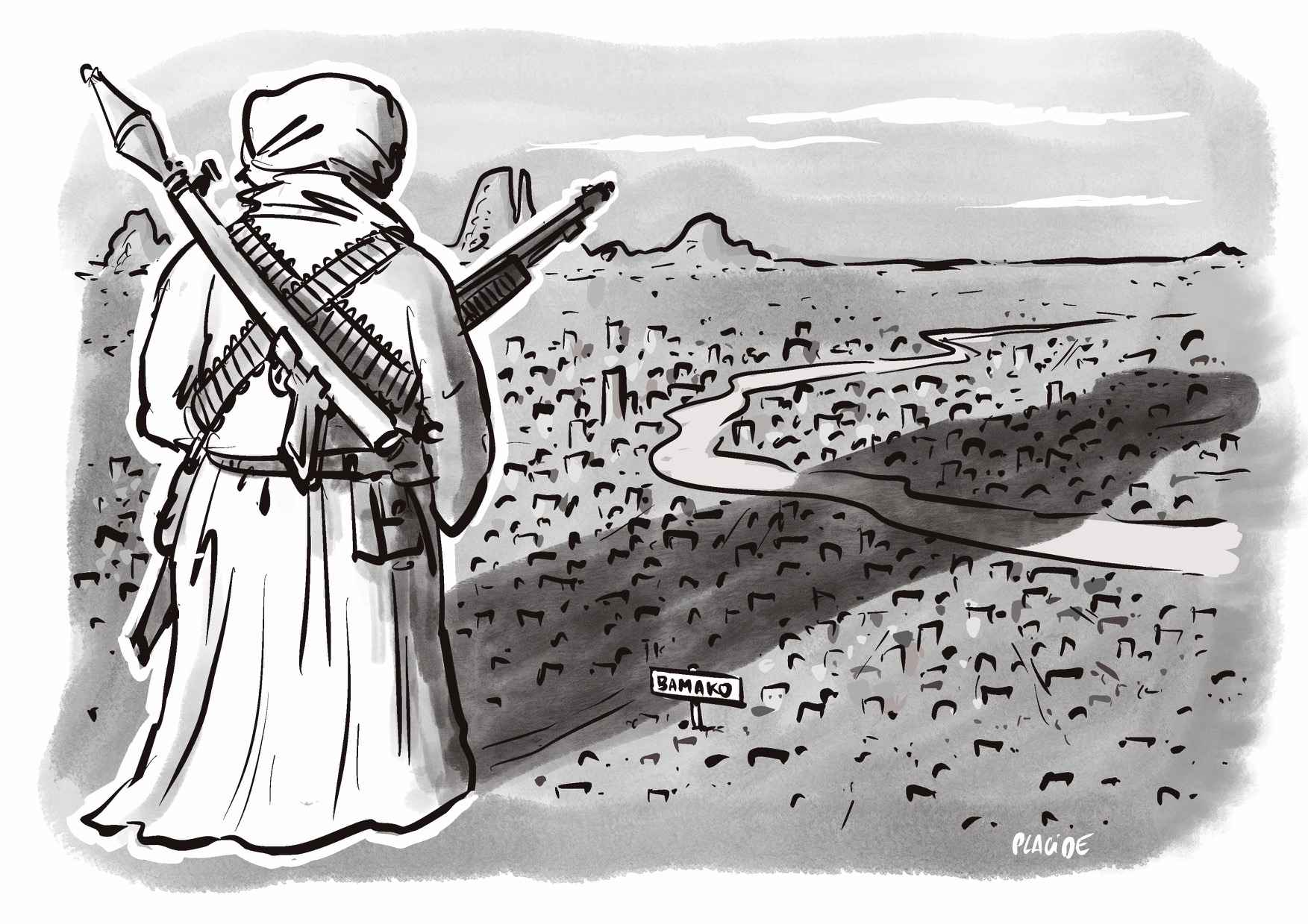
The capital city of Bamako witnessed an Eid al-Adha—locally known as Tabaski—marked by palpable tension rather than joy. Just weeks after a high-profile assault on April 25th that left the Defence Minister among the casualties, the Group for the Support of Islam and Muslims (JNIM) renewed its vow to escalate attacks on the ruling junta. Their stated objective? A final push to topple the transitional government.
Djihadist factions have a long-standing tactic: targeting major Islamic holidays to amplify their propaganda, believing such timing garners greater divine favour. This Tabaski season was no exception, with warnings of potential strikes looming over the festivities.
Economic strain and mobility restrictions
Across Mali, the impact was immediate and widespread. In rural areas, armed groups imposed de facto taxes on livestock, seizing herds under the guise of religious levies. Urban centres like Bamako faced an unofficial boycott, a strategy previously deployed in Burkina Faso and select Malian towns. While security forces maintained control over key routes, the psychological toll on residents was undeniable.
The repercussions extended beyond Mali’s borders. In Niamey, Niger’s capital, skyrocketing meat prices reflected the strain on supply chains. The Sahel’s western regions—traditional hubs for livestock—have borne the brunt of relentless attacks by both JNIM and the Islamic State in the Greater Sahara (ISGS). Recent strikes targeted military and civilian positions, exploiting the Nigerian army’s diversion to northern fronts in anticipation of operations to reclaim Kidal.
Preparing for an uncertain future
For families across the region, the holiday was tinged with anxiety. The absence of abundant livestock, coupled with mobility constraints, forced communities to adapt. Traditional gatherings gave way to muted celebrations, as fear of violence overshadowed cultural customs.
The junta’s grip on power remains fragile, and the jihadist threat shows no sign of abating. As the region braces for further instability, the question lingers: can Mali—and its neighbours—secure a peaceful future before the next holiday season?