The Malian transitional authorities’ claims of a strengthening military and full territorial control face a harsh reality check. The opening of the Military Tribunal of Mopti’s session in Sévaré on October 19, 2026, exposes deep internal failures. With 72 defendants—69 of them soldiers—on trial for 43 cases ranging from arms trafficking to desertion and violent crimes, the proceedings reveal an institution crippled by systemic dysfunction.
State weapons ending up in enemy hands
Nearly half the cases involve the loss, theft, or illegal sale of weapons, ammunition, and magazines. Behind the legal jargon lies a grim truth: a significant portion of state-issued arms ends up empowering the very groups fighting against Mali. In central and northern regions, weapons siphoned from official stocks—whether through negligence, corruption, or outright collusion—are now wielded by militants of the Group to Support Islam and Muslims (JNIM) and the Islamic State in the Greater Sahara (EIGS). While Bamako condemns external support for terrorist groups, the tribunal underscores a toxic internal supply chain flourishing within military barracks and munitions depots.
Desertions and abuses: a force under strain
The surge in desertions, labeled by military prosecutors as the second most frequent offense, signals deep moral fatigue and a breakdown of discipline. Despite repeated calls for soldiers to return and ultimatums from high command, the trend persists, thinning frontline ranks. Even more alarming are the allegations of murder, torture, kidnapping, and sexual violence by military personnel. These abuses, committed against civilians, validate long-standing warnings from human rights groups. By alienating local populations, such misconduct severs the army’s most critical intelligence source and fuels insurgent propaganda, which portrays itself as a protector against state abuses.
A struggling military justice system
The tribunal’s proceedings, framed as a display of transparency, instead highlight chronic delays in Mali’s overburdened military justice system. The prosecution cites insecurity, a shortage of judges, and logistical challenges for the infrequent court sessions. However, these failures result in prolonged pretrial detentions, with some defendants held for years without trial—a practice condemned by Mali’s bar association.
A call for self-reckoning at the top
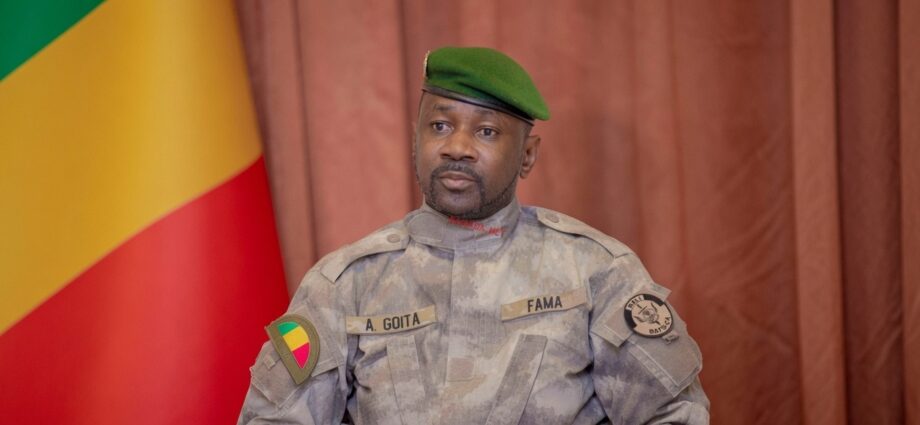
For Colonel Assimi Goïta and the military leadership, the Sévaré trials must not be dismissed as routine cleanup or a PR exercise. They serve as a stark warning: no military strategy can succeed if command structures allow weapons to slip into enemy hands, if discipline collapses, and if justice operates erratically. Before demanding the public’s unquestioning trust, Mali’s defense apparatus must first address its own failures and shut down the leaks draining its strength.
Comments are closed, but trackbacks and pingbacks are open.