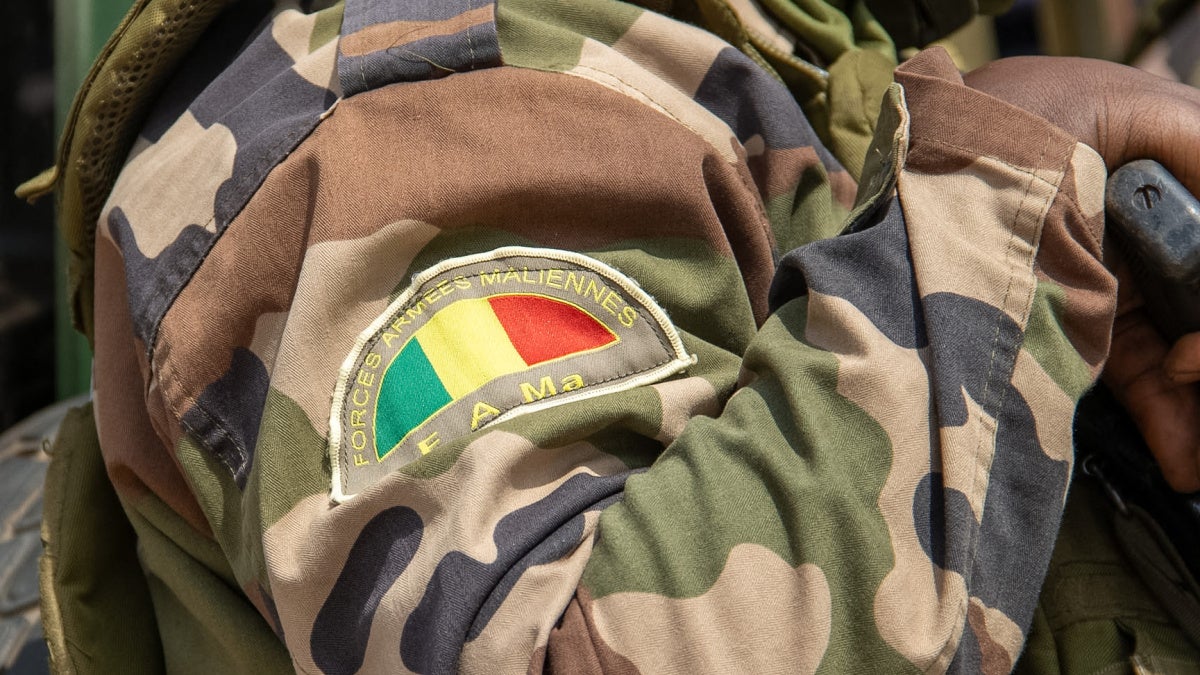
In the heart of Mali, two villages in the Ségou region became the tragic stage for a brutal confrontation on October 2 and 13, where soldiers from the Malian Armed Forces and allied militias left at least 31 civilians dead in their wake. The attacks, which included the burning of homes, unfolded in an area already scarred by years of conflict.
Unchecked violence in Ségou: a pattern of brutality
On October 2, military forces accompanied by dozos—traditional hunters from the Bambara ethnic group who have joined counterinsurgency efforts for over a decade—stormed the village of Kamona. Witnesses recount how soldiers, clad in camouflage, arrived in a convoy of at least seven pickups and three armored vehicles, while dozos on motorcycles fanned out across the settlement. The military’s stated goal? To root out alleged collaborators of the Group for the Support of Islam and Muslims (GSIM), an Al-Qaeda-affiliated group controlling the region.
« Those who couldn’t escape were rounded up and executed, » a survivor shared, describing the chilling efficiency of the operation. At least 21 men, aged 20 to 65, were killed, and more than 10 homes were set ablaze. The victims’ bodies, some with shattered skulls, were later discovered under a tree, while others lay scattered nearby. Survivors believe at least 15 additional men may have perished in the surrounding bush, though fear kept them from confirming the exact count.
The following day, the military justified its actions in a statement, claiming it had neutralized « around twenty terrorists » during an « offensive reconnaissance » near Balle. Yet witnesses paint a starkly different picture: no armed confrontations occurred in either village. Instead, they describe a systematic targeting of civilians, many of whom had fled at the first sign of the soldiers’ arrival.
Balle’s descent into chaos: a village under siege
Thirteen days later, the same pattern repeated in Balle, a village long under GSIM control. Locals reported paying Islamic taxes to the group, resolving disputes through its authority, and living without any presence of state security forces. « The army doesn’t distinguish between us and them, » one resident lamented. « They assume we’re all fighters. »
On October 13, soldiers in five pickups and dozos on at least 30 motorcycles descended on Balle, triggering panic among the villagers. A 24-year-old man recounted how soldiers went door-to-door, assaulting men before opening fire. In the end, 10 civilians—including a 55-year-old woman—were killed, their bodies found strewn across the village. The attackers also looted over 100 cattle, leaving families not only grieving but destitute.
One survivor described the scene: « Their bodies were piled together, riddled with bullets. Some had broken limbs. » The woman’s daughter tearfully recalled her mother’s final moments: « She confronted the soldiers, accusing them of mistreating the villagers. They dragged her to where the men were gathered and shot her. »
Accountability elusive as the cycle of violence continues
These atrocities follow a disturbing trend documented by human rights observers: the Malian military and its allied militias have been implicated in repeated abuses against civilians during counterinsurgency operations. Meanwhile, GSIM and other armed groups have also been accused of grave violations, including the siege of Bamako in early September, which disrupted fuel supplies and forced the closure of schools and universities nationwide.
International humanitarian law is clear: attacks on civilians, executions, and cruel treatment are strictly prohibited. Yet, as these latest killings demonstrate, impunity remains a pervasive issue. While Mali withdrew from the International Criminal Court (ICC) in September, it remains bound by the Rome Statute until 2026. The ICC has already investigated alleged war crimes in Mali since 2012, but accountability for recent abuses remains stalled.
The African Union (AU), tasked with promoting peace and security, has yet to take decisive action beyond issuing statements of concern. « The AU’s Peace and Security Council must prioritize Mali, » stressed a senior researcher familiar with the conflict. « It should convene urgent briefings, strengthen diplomatic efforts, and coordinate regional and international responses to ensure perpetrators are held accountable. »
As the conflict in Mali grinds on, civilians in Ségou and beyond pay the heaviest price—caught in the crossfire of a war that shows no signs of abating.
Comments are closed, but trackbacks and pingbacks are open.