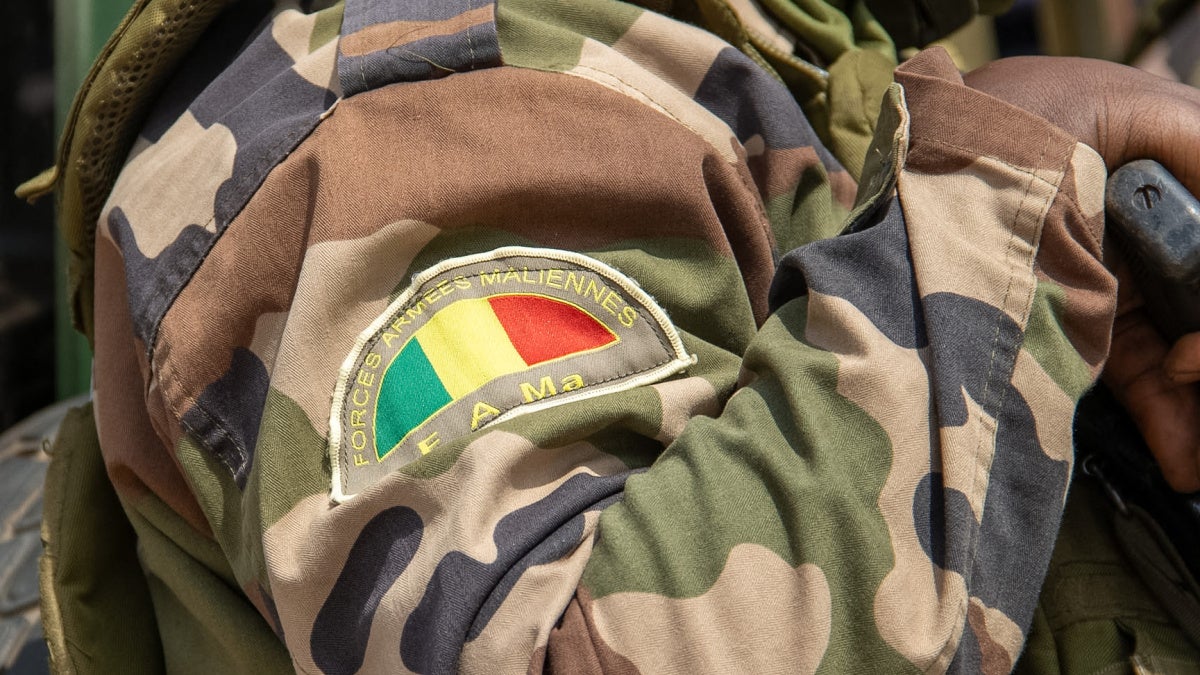
In the heart of Mali’s conflict-ridden Ségou region, a tragic wave of violence has left at least 31 civilians dead after coordinated attacks by the Malian army and allied militias on two villages in early October. The incidents, occurring on October 2nd and 13th, have drawn widespread condemnation amid growing concerns over escalating abuses in central Mali.
Brutal raids target civilians in Kamona and Balle
On October 2nd, soldiers and Dozos militiamen stormed the village of Kamona, killing at least 21 men and setting fire to over 10 homes. Witnesses reported that the attackers, wearing camouflage uniforms and traditional charms, arrived in seven pickup trucks and three armored vehicles, accompanied by motorcyclists. Many residents fled after receiving warnings from Islamist militants, but those who remained were rounded up and executed.
A 40-year-old shepherd recounted the horror: « When the attackers left around 4 p.m., I found 17 bodies under a tree. They had been shot at close range—some with shattered skulls. Spent bullet casings littered the ground. » Villagers buried the dead in a mass grave, while four additional bodies were discovered north of the village, all bearing gunshot wounds to the head and torso. A survivor noted that at least 15 more men were reportedly killed in the surrounding bush, though the exact toll remains unclear due to fear of further violence.
On October 13th, a similar assault targeted Balle, a village about 55 kilometers from Kamona, where soldiers and Dozos gunmen killed nine men and one woman. The attackers, arriving in five pickup trucks and 30 motorcycles, conducted door-to-door searches, assaulting men and looting cattle. A 24-year-old resident described the scene: « I hid and heard gunfire. When I emerged, I found 10 bodies lying side by side, some with broken limbs. » The attackers also stole over 100 cows from the community.
Military denies wrongdoing amid conflicting accounts
The Malian army issued a statement claiming its October 13th operation in Balle was an « offensive reconnaissance » mission that « neutralized around 20 terrorists » and seized military equipment. However, locals described a starkly different reality. « We’ve paid zakat to the GSIM for years, » one resident explained. « They settle disputes, and there are no soldiers or police here. The army doesn’t distinguish between us and them—it assumes we’re all militants. »
The attacks followed recent GSIM offensives in the region, including a strike on the Siribala sugar factory in August. Militants had warned villagers of the army’s advance, prompting many to flee before the massacres. Investigations revealed no direct clashes between the army and GSIM during these raids, contradicting the military’s claims.
Calls for accountability amid a cycle of violence
Since 2012, Mali’s conflict has claimed thousands of civilian lives and displaced over 400,000 people. Both state forces and Islamist groups have been implicated in grave abuses. International humanitarian law prohibits attacks on civilians, executions, and torture—crimes that may constitute war crimes under the Geneva Conventions. While Mali withdrew from the International Criminal Court (ICC) in September, it remains bound by the Rome Statute until 2026, giving the court jurisdiction over alleged crimes committed since 2012.
Human rights advocates urge Malian authorities to launch credible investigations into the October massacres and hold perpetrators accountable. « These killings are part of a disturbing pattern of atrocities by the Malian army and its allies, » noted a senior researcher. « Without justice, the cycle of violence will only deepen. » The African Union has also faced criticism for its limited response to the crisis, with calls for stronger diplomatic and regional coordination to address impunity.
As Mali grapples with a worsening security crisis, the international community’s role in ensuring accountability remains a critical question—one that could determine the country’s path toward stability or further descent into chaos.
Comments are closed, but trackbacks and pingbacks are open.