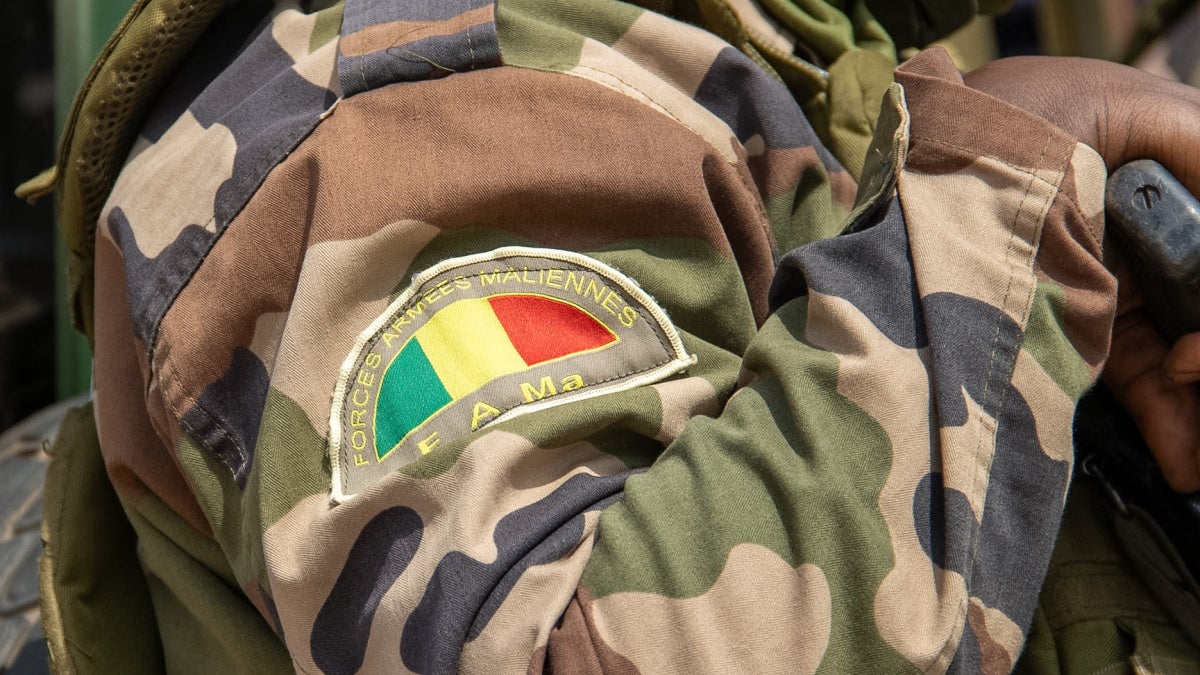
The Malian Armed Forces, alongside allied militias, stand accused of executing at least 31 civilians and setting fire to homes during coordinated raids on two villages in central Mali’s Ségou region. The attacks, carried out on October 2 and October 13, targeted communities living under the control of the Group for the Support of Islam and Muslims (GSIM), an al-Qaeda affiliate waging an insurgency across the Sahel.
Village of Kamona: A Day of Brutality
On the morning of October 2, soldiers in seven pickup trucks and three armored vehicles, accompanied by Dozo militiamen on motorcycles, stormed the village of Kamona. The Dozos, predominantly Bambara ethnic fighters with a decade-long history of counterinsurgency operations, conducted house-to-house searches, forcibly rounding up men they accused of collaborating with the GSIM.
Witnesses recounted how many villagers fled upon hearing warnings of the approaching military convoy. Those unable to escape were executed in cold blood. One survivor described the horror: “Those who couldn’t run were gathered and shot. Their bodies were left scattered under a tree, riddled with bullets.”
At least 21 men were killed, and more than 10 homes were torched. The victims, all males aged 20 to 65, were later buried in a mass grave. Locals claim additional disappearances, with reports of another 15 men allegedly killed in the surrounding bush—though no confirmation was possible due to fear of further military reprisals.
Balle: Another Village, Another Massacre
Thirteen days later, on October 13, a similar operation unfolded in the neighboring village of Balle, located roughly 55 kilometers from Kamona. Soldiers in five pickup trucks and Dozo fighters on 30 motorcycles descended on the settlement, prompting panic among residents. One 24-year-old man recalled: “I hesitated before fleeing, but when I saw soldiers going door-to-door and assaulting men, I ran for my life.”
The attackers killed 10 civilians—including a 55-year-old woman—and stole over 100 cattle. The victims’ bodies were found strewn across the village, some with broken limbs and gunshot wounds to the head and torso. The woman’s daughter, aged 21, tearfully recounted how her mother was shot after confronting the soldiers over their abuse of villagers.
Locals reported that Balle had been under GSIM control for years, with residents paying Islamic taxes and settling disputes through the group’s justice system. “The army doesn’t differentiate between us and them,” one villager stated. “They assume we’re all GSIM fighters.”
Accountability and International Law
Human rights observers have condemned the killings as violations of international humanitarian law, which prohibits attacks on civilians and the deliberate killing of non-combatants. Under the Geneva Conventions and customary war laws, such acts constitute war crimes, with potential prosecutions for those responsible under command.
The Malian military, however, denied wrongdoing, claiming its October 13 operation in Balle was an “offensive reconnaissance” mission that neutralized “around twenty terrorists” and seized military equipment. This narrative clashes with eyewitness accounts, which confirm no armed clashes occurred during either attack.
The conflict in Mali, now in its twelfth year, has displaced over 400,000 people and left thousands dead. Both state forces and armed groups, including the GSIM, have been documented committing atrocities. The African Union’s Peace and Security Council has faced criticism for its limited response to the escalating crisis, despite its mandate to uphold regional security.
Calls for an independent investigation into the October massacres grow louder, with demands for perpetrators to face fair trials. Yet, with Mali’s withdrawal from the International Criminal Court looming in 2026, the path to justice remains uncertain.
Comments are closed, but trackbacks and pingbacks are open.