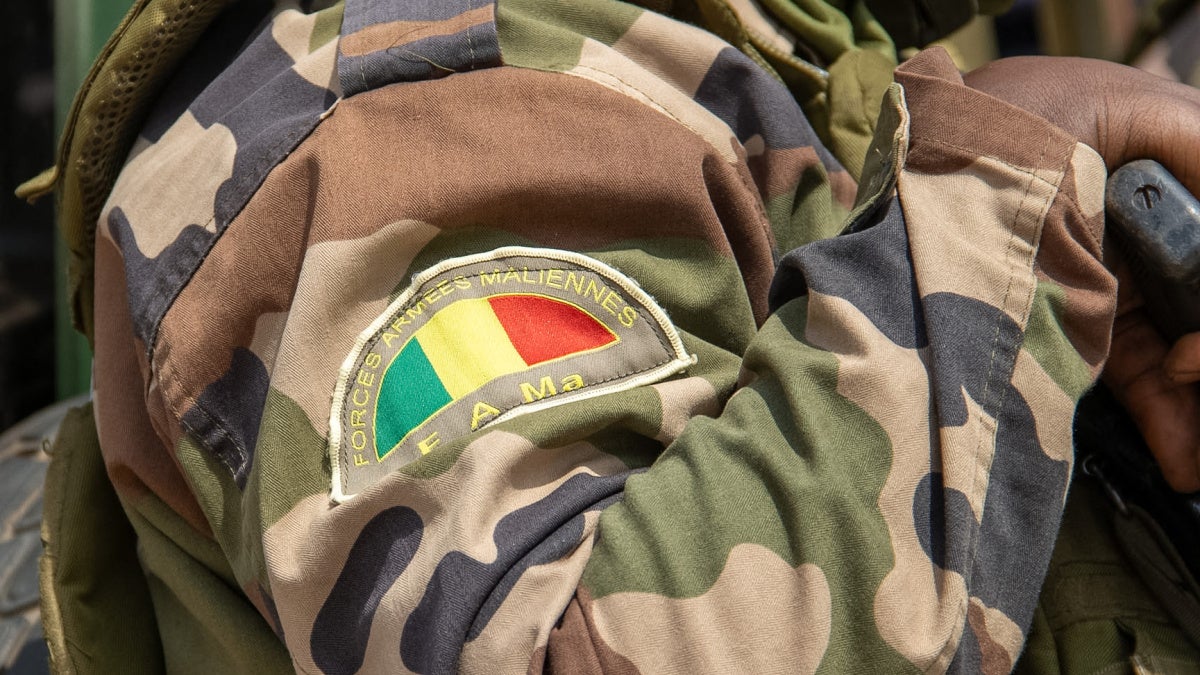
In the heart of Mali’s conflict-ridden Ségou region, a fresh wave of violence has left at least 31 civilians dead and homes reduced to ashes. Military forces and allied militias were responsible for the killings, which occurred on October 2 and October 13 in two separate villages, according to field investigations.
Unarmed villagers targeted in coordinated attacks
On October 2, soldiers in camouflage uniforms, accompanied by armed militiamen known as Dozos, stormed the village of Kamona. Witnesses described how the attackers, arriving in seven pick-ups and three armored vehicles alongside scores of motorcycles, systematically hunted down male residents. At least 21 men were executed, and ten homes were set ablaze. Survivors recounted how those unable to flee were gathered and shot at close range.
The attackers were identified by their attire: soldiers wore standard military gear, while Dozos wore traditional clothing and carried protective amulets around their necks. According to local accounts, fighters from the Group for the Support of Islam and Muslims (GSIM) had warned villagers of the approaching forces, prompting many to flee. No clashes between the army and armed groups were reported during the raid.
By the end of the day, 17 bodies were discovered beneath a large tree, with four more found scattered north of the village. Survivors later buried the dead in two mass graves, describing the victims as men aged 20 to 65, all shot at point-blank range. Some bodies showed signs of extreme violence, including crushed skulls and bullet wounds to the head and torso. Villagers also reported that at least 15 additional men were killed in the surrounding bushland, though their remains were never recovered due to fear of further attacks.
Second massacre targets entire families in Balle
Thirteen days later, a similar operation unfolded in the village of Balle, located 55 kilometers from Kamona. Soldiers in five pick-ups and Dozos on at least 30 motorcycles descended on the settlement around 1 PM, triggering panic among residents. One 24-year-old man recounted how soldiers went door-to-door, assaulting men and forcing others to flee. Gunfire echoed through the village as attackers executed ten civilians, including a 55-year-old woman. At least 100 cattle were also stolen during the raid.
The victims were found sprawled in the village center, their bodies riddled with bullets. Some showed signs of severe trauma, with broken limbs and multiple gunshot wounds. A 33-year-old man described the grim scene: “They lay next to each other, their bodies torn apart by bullets.” The slain woman’s 21-year-old daughter recounted how her mother confronted the soldiers, accusing them of abuse before she was dragged away and shot alongside the men.
Local realities fuel military suspicions
Residents of Balle have lived under GSIM control for years, paying Islamic taxes and relying on the group to resolve disputes in the absence of state authorities. “We have no soldiers, police, or gendarmes here,” explained one elder. “The army treats us all as if we are GSIM fighters. They make no distinction.” This blanket suspicion has led to repeated civilian casualties in military operations targeting armed groups.
Military officials, however, have framed the October 13 operation as a success. In a statement issued the following day, the Chief of Staff of the Malian Armed Forces claimed the mission had “neutralized around twenty terrorists” and seized military equipment. Yet witness testimonies and survivor accounts paint a starkly different picture—one of unarmed civilians targeted in cold blood.
Calls for justice amid a cycle of impunity
The latest atrocities follow a broader pattern of abuses documented in Mali’s decades-long conflict, which has displaced over 400,000 people. Investigations have repeatedly highlighted grave violations committed by state forces, allied militias, and armed groups alike. Despite international condemnation and calls for accountability, perpetrators on all sides continue to operate with impunity.
The Malian government’s withdrawal from the International Criminal Court (ICC) in September 2025 has further complicated efforts to bring war criminals to justice. However, Mali remains bound by the Rome Statute until September 2026, leaving a narrow window for external legal intervention. The ICC had already opened an investigation into alleged war crimes in Mali dating back to 2012, following earlier reports of mass killings and torture.
Regional bodies like the African Union (AU) have faced criticism for their limited response to the deteriorating security situation. Despite its mandate to promote peace and security, the AU’s Peace and Security Council has largely confined itself to issuing statements expressing concern, stopping short of coordinated action or robust diplomatic pressure.
Human rights advocates stress the urgent need for credible, impartial investigations into these recent massacres. “The October killings in Ségou are not isolated incidents,” said a senior researcher on the Sahel. “They reflect a systematic failure to protect civilians and hold perpetrators accountable. The Malian authorities must act decisively to break this cycle of violence and deliver justice for the victims.”
Comments are closed, but trackbacks and pingbacks are open.