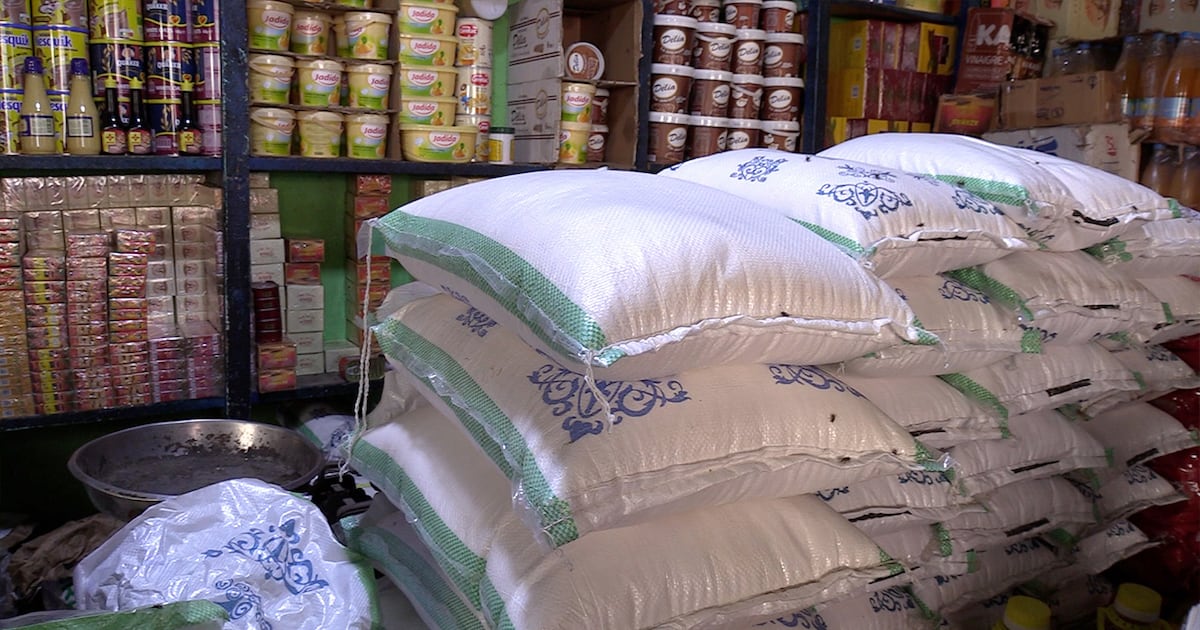
As turmoil in the Middle East continues to ripple through global markets, Mauritania has activated a sweeping price regulation initiative to shield consumers from soaring food costs. The government’s rapid-response strategy targets essential staples such as rice, cooking oil, and sugar, deploying inspection teams across Nouakchott’s markets and expanding nationwide.
The crackdown focuses on three core pillars: real-time market surveillance, stock verification, and consumer protection enforcement. Authorities are clamping down on hoarding, speculative pricing, and any form of fraud that could distort supply chains or drive up living costs.
Mokhtar Ould Diay, Prime Minister of Mauritania, announced in late March that the operation had already led to the shutdown of dozens of non-compliant shops and the issuance of heavy fines. The measures are part of a broader campaign to curb unjustified price surges and maintain fair competition in local commerce.
Local trader Aissata Bâ, who distributes imported goods like Kadi bouillon, Jedida butter, and Delia chocolate, confirmed stability in her pricing. “We haven’t raised our prices at all,” she stated. Consumer Fatimetou mint Ahmed echoed this sentiment, noting that basic goods—oil, rice, sugar, and milk—remain priced consistently, despite occasional rumors suggesting otherwise.
Commercial operator Mohamed ould Bouh also reported a calm market environment with no upward pressure on essential items. He emphasized that the government’s vigilance has deterred opportunistic pricing and preserved affordability for households.
With enforcement tightening, authorities are sending a clear message: Mauritania will not tolerate exploitation during regional instability. Violators face swift penalties, ensuring that the country’s most vulnerable populations continue to access food without undue financial strain.