Morocco’s stance on Ceuta remains unwavering despite Spain’s challenges
A former Spanish ambassador to Morocco has issued a stark warning: Rabat will not abandon its territorial claims over Ceuta, even as Spain grapples with political instability and rising migration pressures. Jorge Dezcallar, who once led Spain’s intelligence services, argues that Morocco sees an opportunity in Madrid’s current vulnerabilities.
Migration surge linked to unresolved territorial disputes
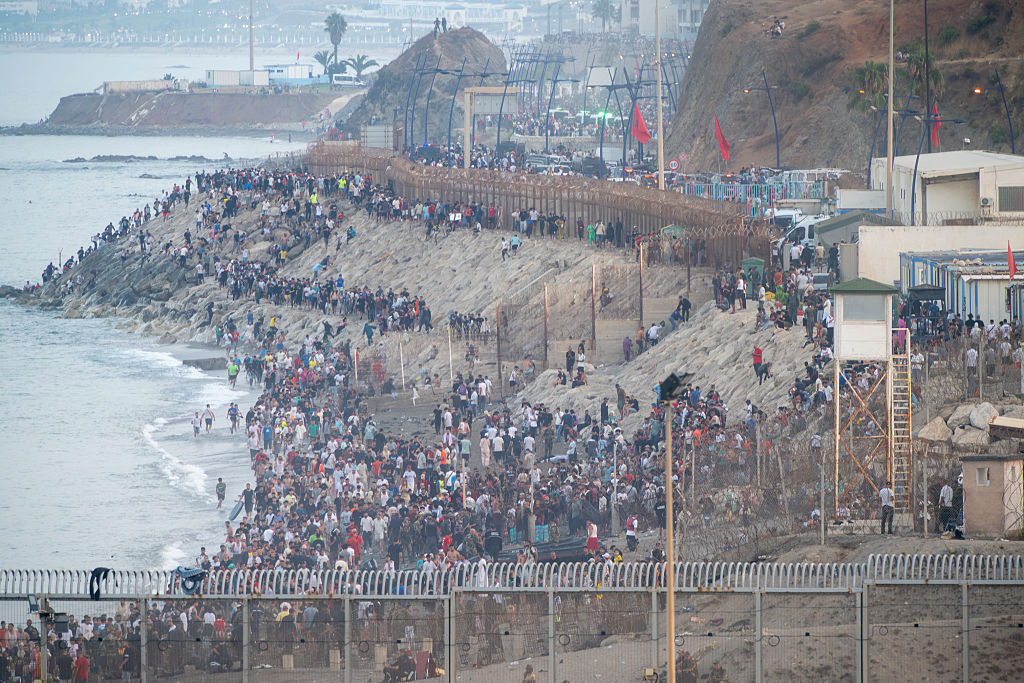
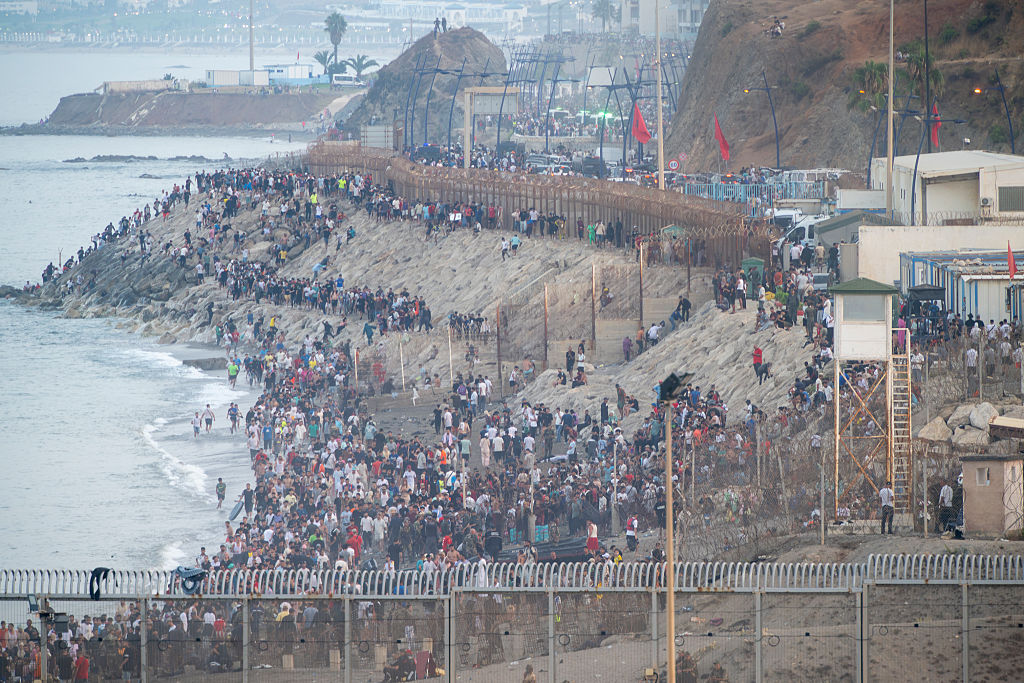
The sudden arrival of over 72,000 migrants in Ceuta in late July has sent shockwaves through Spain and the European Union, resurrecting a decades-old conflict. Dezcallar suggests that Morocco’s long-standing claims over Ceuta and Melilla—territories it has never formally renounced—played a role in the unprecedented influx. The ambassador describes the situation as Morocco “testing the waters” while perceiving a weakened government in Madrid.
The Spanish administration, led by Prime Minister Pedro Sánchez, faces mounting criticism over corruption scandals involving high-ranking officials and allies, as well as contentious immigration policies that have strained relations with European partners.
“Spain-Morocco relations are more emotional than rational,” Dezcallar notes, highlighting their deep economic ties despite periodic diplomatic turbulence. Cooperation on migration control, counterterrorism, and regional security remains critical, yet tensions persist.
Ceuta and Melilla: non-negotiable territories
Moroccan officials and pro-monarchy media have intensified rhetoric around Ceuta and Melilla’s sovereignty, emphasizing that these territories, integral to Spain for centuries, predate modern Morocco. Justice Minister Abdellatif Ouahbi reiterated this stance, asserting that the issue is always raised in bilateral talks.
“We remain firmly rooted in our territories,” Ouahbi stated. “This is a matter we will resolve through negotiation and patience.”
Spanish Defense Minister Margarita Robles swiftly countered, declaring from Ceuta: “Let there be no doubt—Ceuta and Melilla are Spanish. They are non-negotiable.”
A notable diplomatic gesture in recent years was the first-ever visit by a Spanish foreign minister to Ceuta, a move some analysts interpret as an attempt to avoid provoking Morocco. However, King Felipe VI has never set foot in either enclave.
What triggered the latest crisis?
Both Madrid and Rabat attribute the migration surge to human trafficking networks exploiting a July ruling by Spain’s Supreme Court, which barred immediate sea deportations of migrants arriving in Ceuta and Melilla. Dezcallar, however, suggests that Moroccan authorities may have shown “permissiveness or negligence” in curbing the influx.
The ambassador cautioned that Spain lacks the resources to prevent such crises, warning that this is not an isolated incident. In 2021, tensions escalated when Spain allowed the hospitalization of Sahrawi leader Brahim Ghali. Rabat retaliated by facilitating the arrival of nearly 10,000 migrants to Ceuta, a move Spanish officials labeled “blackmail.”
“One mistake can be forgiven, but not two,” Dezcallar remarked, recalling warnings from Ceuta authorities about a gradual increase in irregular arrivals prior to the July surge. Intelligence sources recently alerted authorities to a potential new influx on August 15, fueled by calls on social media to storm the city. Police and Civil Guard unions have also confirmed the threat.
“Anyone who believes Morocco will abandon its claims on Ceuta and Melilla is mistaken,” Dezcallar asserted.
Comments are closed, but trackbacks and pingbacks are open.