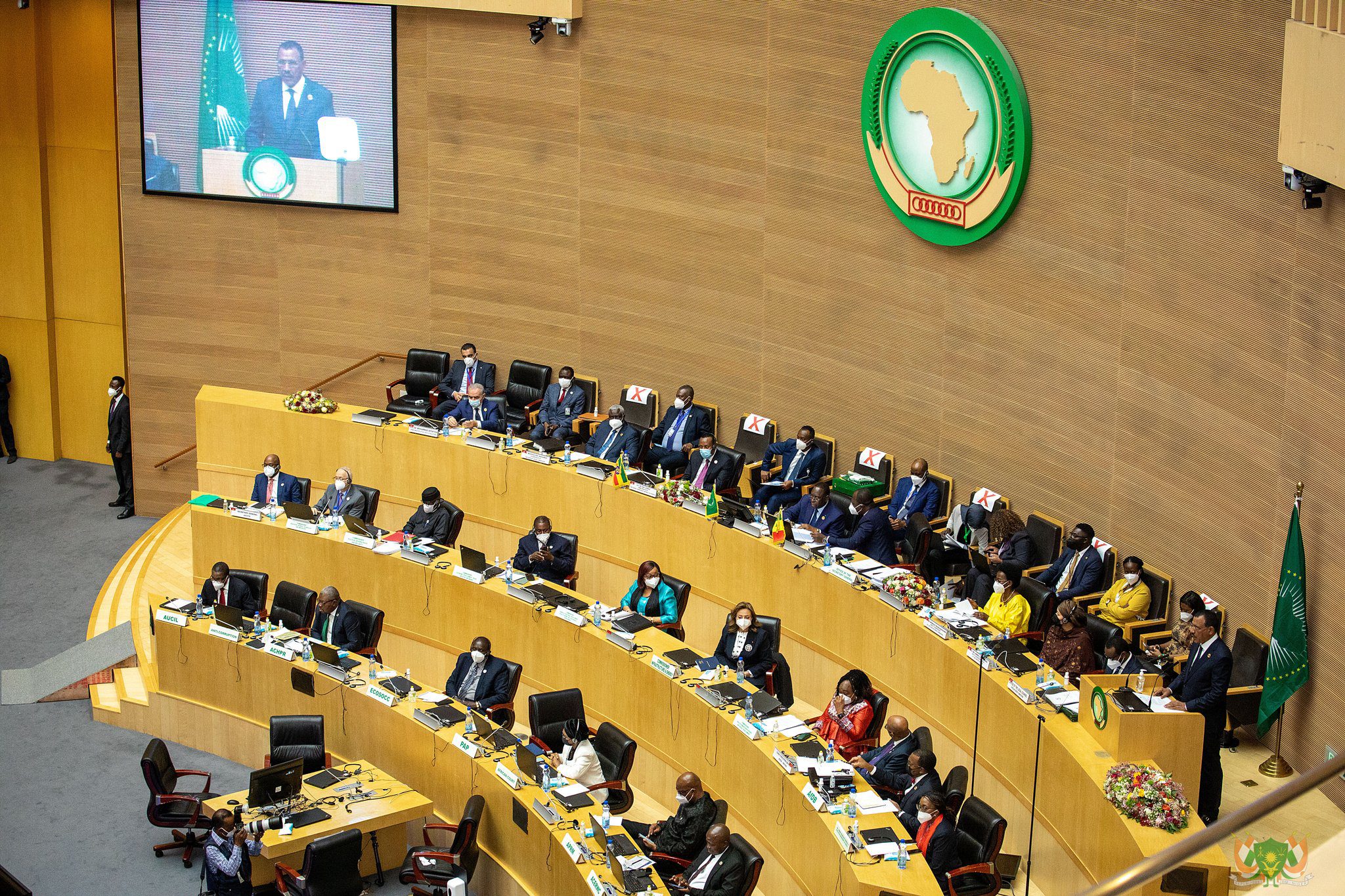
Marrakech — Morocco has once again demonstrated its unwavering commitment to Mali’s stability, reaffirming full solidarity with the West African nation during a critical session of the African Union Peace and Security Council (AU PSC).
In a strong statement delivered this Tuesday, Morocco’s delegation to the AU PSC “condemned in the strongest terms possible the coordinated terrorist and separatist attacks that targeted both civilian and military locations in Mali last Saturday.” The delegation conveyed deep sympathy to the bereaved families and expressed sincere condolences to the Malian people for their immense loss.
Morocco reiterated its full backing for Mali’s sovereignty, security, and territorial integrity, emphasizing the urgent need for coordinated international support. The Kingdom called for the prompt mobilization of financial and logistical resources to assist Mali in restoring stability, working in close partnership with Malian authorities.
Morocco’s swift response to Mali’s crisis
Morocco’s solidarity was not limited to the AU PSC session. Within hours of the coordinated assaults, Moroccan officials swiftly condemned the violence. A senior diplomatic source stated, “The Kingdom of Morocco vehemently denounces these heinous and cowardly acts, and stands firmly behind Mali’s leadership in their fight against terrorism and separatism throughout the country and across the Sahel.”
The attacks on April 25 were unprecedented in scale, involving jihadist groups linked to al-Qaeda and Tuareg separatists. Seven cities, including Bamako, Kati, Kidal, and Gao, were targeted in a synchronized offensive. Tragically, Malian Defense Minister General Sadio Camara was killed in a suicide bombing at his residence in Kati, while Junta leader General Assimi Goita remains missing since the assaults. The strategic city of Kidal fell under rebel control, prompting the withdrawal of Russian mercenaries from the Wagner-linked Africa Corps under a negotiated agreement with armed factions.
Algeria’s alleged shadow war against Mali
As Morocco extended its support, regional observers have drawn attention to what they describe as Algeria’s “shadow war” targeting Mali. Analysts argue that the recent attacks may be a form of retaliation following Bamako’s sovereign decision, made just two weeks prior, to withdraw recognition of the self-proclaimed SADR and formally endorse Morocco’s autonomy plan for Western Sahara.
Algeria’s diplomatic and media apparatus responded with remarkable coordination. Semi-official outlets and state-aligned digital platforms launched an information warfare campaign within hours of the attacks, amplifying separatist narratives, inflating casualty figures, and spreading unverified claims about key officials. The messaging was unmistakable: “This is the price of breaking away from Algeria’s sphere of influence.”
Bamako has long accused Algiers of harboring separatist factions and interfering in Mali’s internal affairs. Reports indicate Algeria has a documented history of funding, arming, and providing sanctuary to separatist proxies, most notably the Polisario Front. Observers suggest a similar strategy is now being applied against Mali following its strategic realignment.
The coordinated propaganda blitz unfolded in stark contrast to Algeria’s domestic narrative. While Algiers imposes a strict media blackout on terrorist incidents within its borders—despite documented threats in regions like Blida—it simultaneously weaponizes disinformation across the Sahel to destabilize governments that challenge its interests.
With Mali’s abrogation of the 2015 Algiers Accord, which had long served as Algeria’s primary tool for exerting influence over Bamako, Algiers appears to have shifted tactics. The loss of this leverage has coincided with a calculated escalation through proxy warfare, territorial destabilization, and information manipulation.
Morocco’s partnership over coercion
Morocco’s approach stands in stark contrast to Algeria’s. In a joint press conference with Burkina Faso’s Foreign Minister Karamoko Jean Marie Traoré in Rabat last June, Moroccan Foreign Minister Nasser Bourita articulated a clear doctrine: “Morocco rejects the logic of those who seek to lecture or blackmail Sahel nations.”
Bourita went further, stating, “Even in our neighborhood, there are countries that manage crises through intimidation and resolve their own issues at the expense of regional stability.” He emphasized Morocco’s belief in mutual respect and sovereignty, offering expertise and support without conditions or hidden agendas.
“They do not need guardians—they need partners,” Bourita declared. Rabat’s policy is rooted in trust in Africa’s ability to shape its own future, free from paternalistic interference or geopolitical exploitation.
As Mali faces unprecedented challenges, Morocco’s consistent, principled stance offers a stark alternative to Algeria’s alleged campaign of coercion and destabilization.