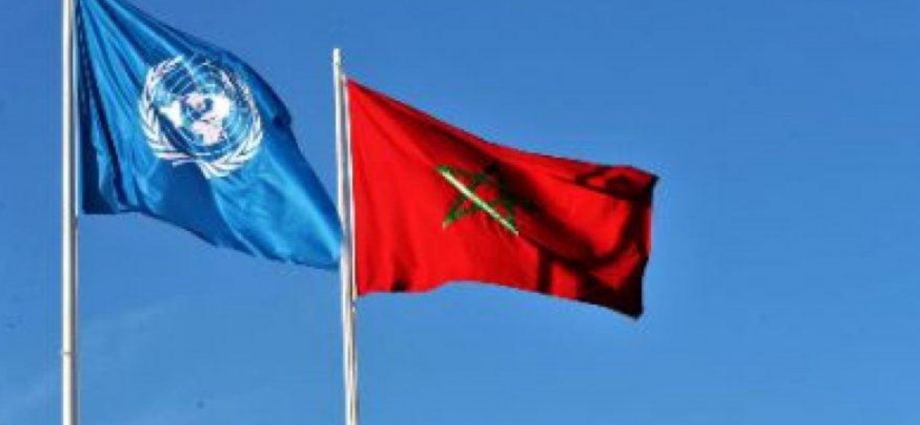
The United Nations General Assembly has once again voted overwhelmingly to lift the long-standing U.S. embargo on Cuba, but a striking exception emerged from Africa: Morocco stood alone as the continent’s sole opponent.
In a vote held on October 28, 2026, 130 countries supported the resolution calling for an end to the blockade, while 17 opposed it and 25 abstained. Of the 54 African nations present, only Morocco joined the group that rejected the measure — a sharp contrast to the continental consensus and a signal of shifting diplomatic priorities.
Why Morocco broke from Africa on Cuba’s embargo
Since the early 1960s, the U.S. embargo has restricted Cuba’s access to international trade and finance. While most UN member states — including most African countries — have consistently supported annual resolutions calling for its repeal, Morocco’s vote against this year’s resolution marks a notable departure from continental alignment.
Historically, African nations have framed their opposition to unilateral economic sanctions as a defense of state sovereignty and non-interference. The vote from Rabat challenges this regional posture, raising questions about its motivations and long-term implications for Morocco’s foreign policy.
A shift in Morocco’s diplomatic stance
Analysis of voting records shows that Morocco had previously abstained in earlier UN votes on the same resolution before reversing course in 2026 and voting against it. This change aligns with a broader trend of waning global support for the resolution compared to 2025, when it passed with 165 votes in favor, including from most African states.
The decline in support may reflect growing pressure from Washington, which has intensified lobbying efforts to weaken international backing for the embargo repeal. Still, the absence of a public explanation from Moroccan authorities makes it difficult to determine whether this vote reflects a strategic shift or a tactical alignment with U.S. interests.
World reactions diverge despite shared economic hardship in Cuba
Cuba continues to grapple with severe shortages, energy crises, and infrastructure failures compounded by the embargo. Proponents of the resolution argue that lifting restrictions would ease access to food, medicine, and technology, directly benefiting ordinary Cubans. Critics, including U.S. officials, counter that the embargo remains a necessary response to human rights abuses and poor governance on the island.
France and Italy, among others, shifted from supporting the resolution in prior years to abstaining in 2026, underscoring a broader erosion of international consensus. Yet Morocco’s full opposition places it in a small, contentious minority — one that isolates it within Africa and may complicate future diplomatic engagements on global issues.
What this vote reveals about Africa’s evolving diplomacy
The vote on Cuba reflects deeper currents in Africa’s foreign policy landscape. While African nations often present a unified front in defending multilateralism and opposing unilateral sanctions, Morocco’s decision highlights that solidarity does not always translate into identical votes. This divergence may signal a fragmentation of continental priorities or the emergence of new, individually driven diplomatic strategies.
As the international community continues to debate the embargo, Morocco now stands at a crossroads. Without a clear public justification for its vote, the kingdom risks being seen as an outlier in Africa. Whether this move reflects a broader realignment or a temporary tactical choice remains to be seen — but it has already reshaped perceptions of Rabat’s role on the world stage.
Comments are closed, but trackbacks and pingbacks are open.