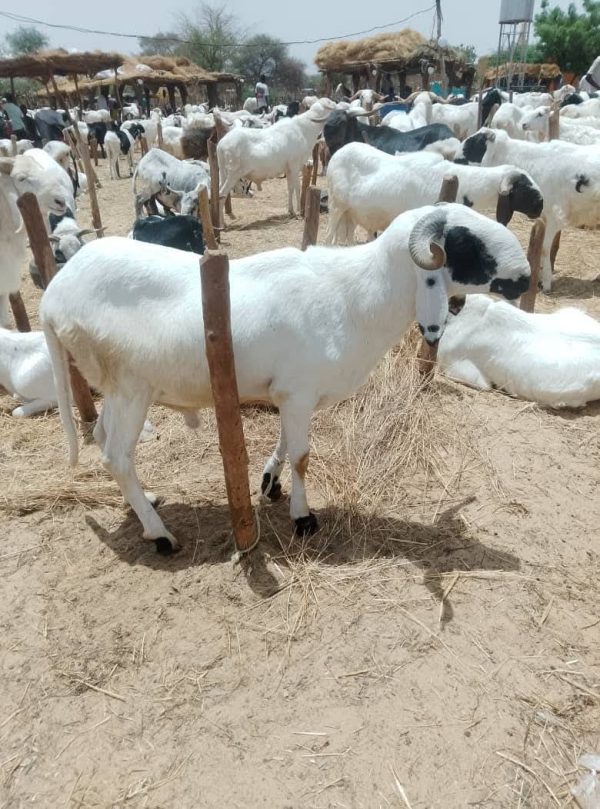
As Aïd al-Adha approaches, the streets of Niamey are flooded with livestock, and markets overflow with eager buyers. Yet, the laws of supply and demand seem to have vanished—despite record arrivals of sheep, prices have skyrocketed, leaving households grappling with crippling inflation.
Niamey — The contrast is striking. Everywhere you look, sheep dot the landscape, their bleats filling the air. The constant hum of engines signals the steady stream of trucks rolling in from across Niger, each laden with animals bound for the capital’s bustling markets. The city is awash with livestock. But this year’s Tabaski brings a harsh truth: abundance does not guarantee affordability.
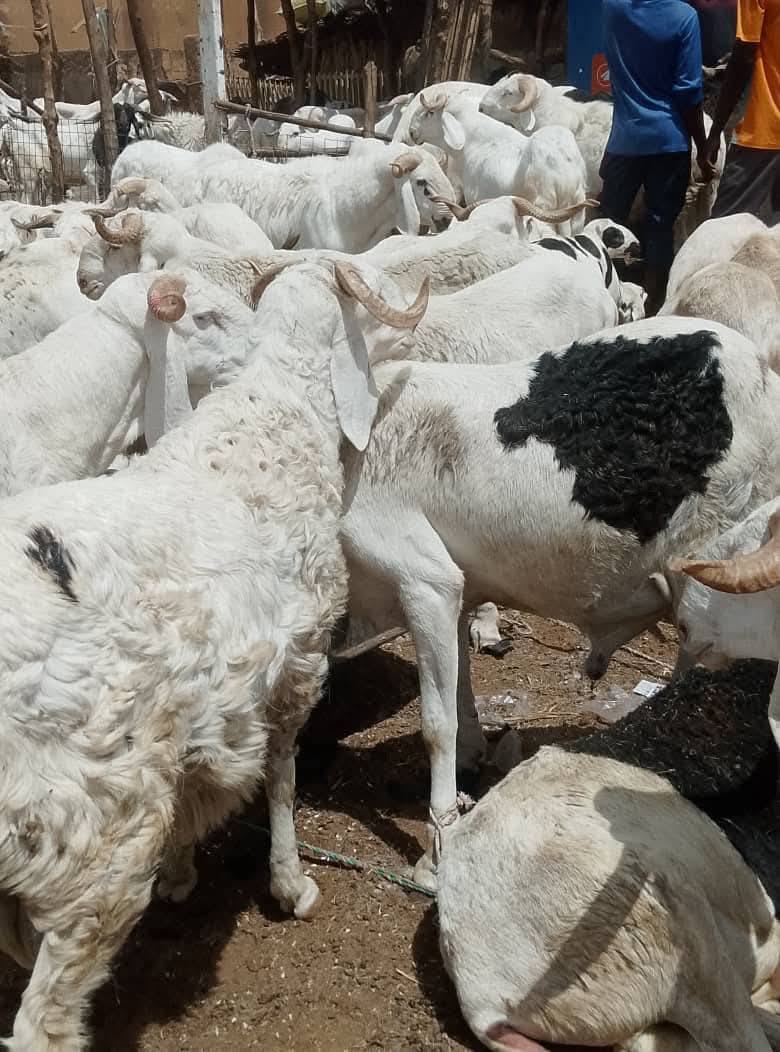
Last year offered a brief reprieve for shoppers, but 2026 has returned to the familiar struggle of skyrocketing prices. For many heads of households, this year’s Tabaski has become a financial headache rather than a joyous occasion.
price shock: rams now sell for up to 450,000 FCFA
The markets of Niamey tell a sobering story. Sheep prices have surged to unprecedented levels, ranging from 85,000 to 450,000 FCFA depending on the animal’s quality. This week’s pricing reflects an intense pressure on budgets:
- Entry-level (80,000 – 100,000 FCFA): Young lambs or smaller sheep, barely meeting the minimum requirements for the sacrifice. A bare necessity for families with tight finances.
- Mid-range (120,000 – 200,000 FCFA): The most sought-after category, favored by middle-class families. These animals, though reasonably sized, demand a significant financial sacrifice.
- Premium (250,000 – 450,000 FCFA): Large rams, sometimes from prized breeds. A luxury few Nigerien households can now afford.
inflation hits even the smallest essentials
The rising cost of livestock is only part of the problem. Essential ingredients for the festive grills are also under siege. Take dried chili peppers, for example—a staple in every Tabaski meal. Despite no shortage in supply, prices have surged by 50% in just one week. A 100 kg bag, once priced at 20,000 FCFA, now costs 30,000 FCFA. At retail, a small bundle of 800 grams sells for 1,000 FCFA.
purchasing power squeezed to the limit
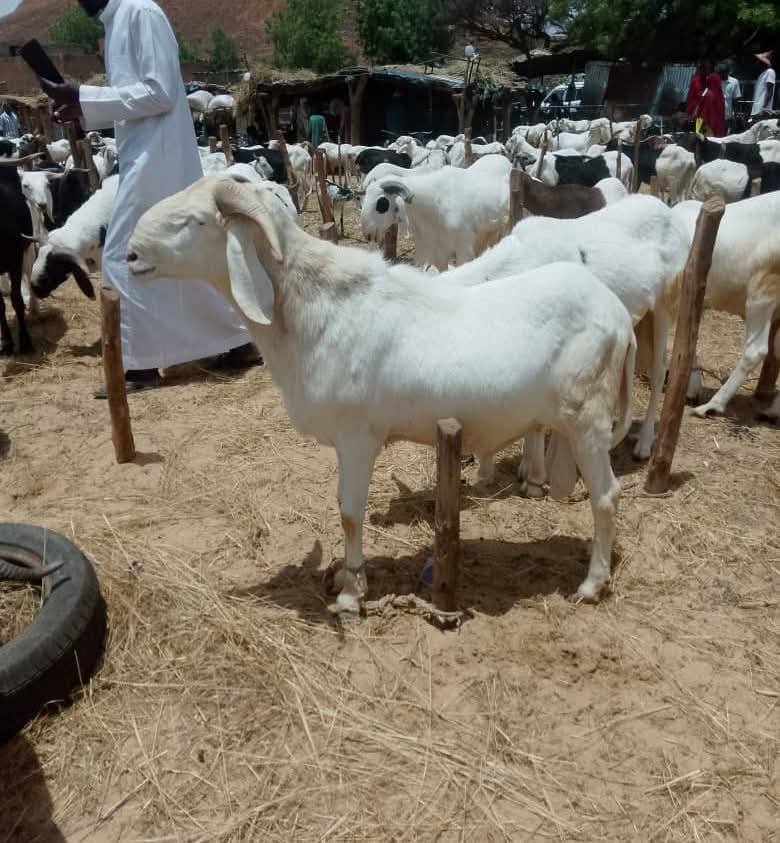
“There are sheep everywhere, but the prices are fixed,” laments a frustrated buyer outside a roadside market stall. His words echo the frustration felt across Niamey. As the country prepares for its most significant Muslim festival, inflation is tightening its grip on household budgets. Supply may be abundant and visible, but speculation and last-minute demand are pricing out many families.
Despite the overflowing markets and massive livestock arrivals, Tabaski 2026 threatens to become a season of tough choices for countless Nigerien households.