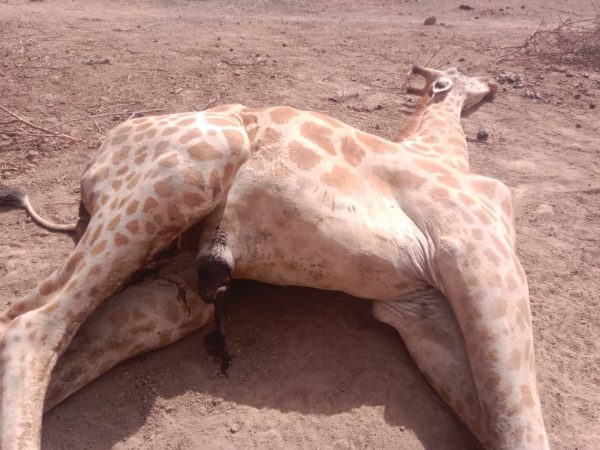
The first giraffe born in Niger’s Gadabedji Biosphere Reserve, named Abagana, has died tragically, leaving behind a void that extends far beyond the savanna. The young giraffe’s passing on May 16, 2026, due to a severe illness and the absence of timely veterinary care, has sent shockwaves through the ecological and tourism sectors, exposing critical gaps in wildlife management.
The loss of Abagana is not just an ecological setback—it’s a cultural and economic one. As the first giraffe born in the reserve, he represented the success of a bold reintroduction program and the promise of a thriving ecotourism industry in Niger. His presence drew visitors and wildlife enthusiasts, making him a beloved figure in the region’s conservation story.
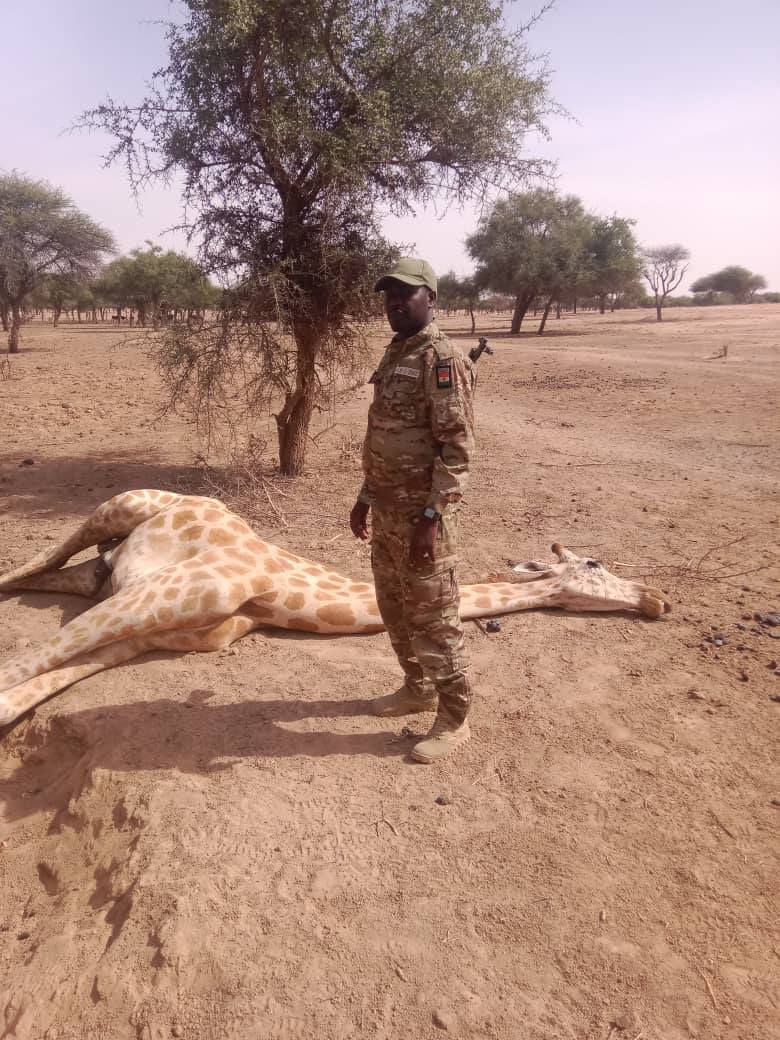
a heartbreaking end for a symbol of conservation
Abagana’s final days were marked by excruciating pain. The young giraffe suffered from a prolapse, a condition that left him unable to urinate and deprived of the medical attention he desperately needed. His suffering was a stark reminder of the urgent need for better veterinary infrastructure and trained personnel in the region.
This isn’t the first time wildlife officers have watched helplessly as an animal perishes. Just recently, a female giraffe lost her life during a difficult birth, another preventable tragedy. The recurring losses underscore a systemic issue: the lack of local expertise to handle emergencies in the reserve.
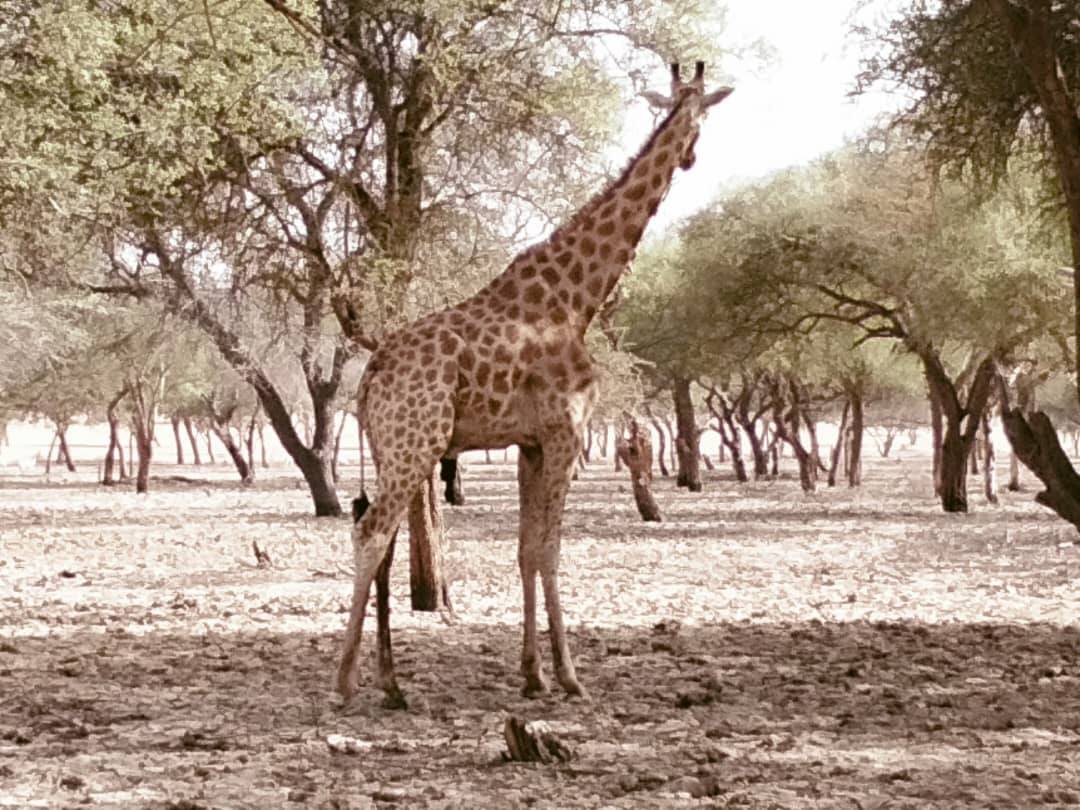
urgent calls for veterinary training and wildlife care
The deaths of Abagana and other giraffes in the reserve have ignited frustration among conservationists and park rangers. While grief lingers, so does a growing demand for action. The plea is clear: equip local teams with the skills to handle veterinary emergencies, from first aid to anesthesia techniques for wild animals.
The stakes are high. The Gadabedji Biosphere Reserve is a cornerstone of Niger’s ecotourism industry, and each giraffe lost chips away at the country’s global appeal. Without immediate intervention, the nation risks losing not just its wildlife but also a vital economic driver.
« We stand by as our animals suffer and die, powerless to intervene, » laments a conservationist closely involved in the reserve’s operations.
The time for change is now. The survival of Niger’s giraffe population—and the future of its ecotourism—depends on it.