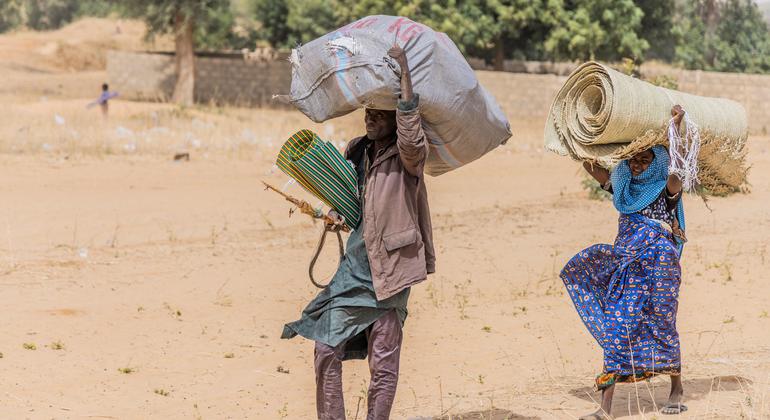
Recent events like school kidnappings and attacks on places of worship have thrust Nigeria back into the global spotlight. Following US military strikes against jihadist groups on Christmas Day—intended to safeguard Christian communities—the narrative has shifted toward geopolitical intervention.
A crisis beyond religious labels
While some American officials now use the term “Christian genocide,” the United Nations offers a more nuanced view. They argue that these high-profile incidents are symptoms of a much larger, often overlooked humanitarian disaster gripping the nation. According to Mohamed Malik Fall, the UN resident coordinator, security challenges are no longer confined to a single province; they have become a nationwide epidemic.
The evolution of a long-standing conflict
What began in 2009 as a jihadist insurgency by Boko Haram and later the Islamic State West Africa Province (ISWAP) has left the Northeast in ruins. Over 40,000 lives have been lost, and a generation of two million people has been raised entirely within displacement camps. Beyond the death toll, the destruction of thousands of schools and clinics has stripped citizens of their livelihood and dignity.
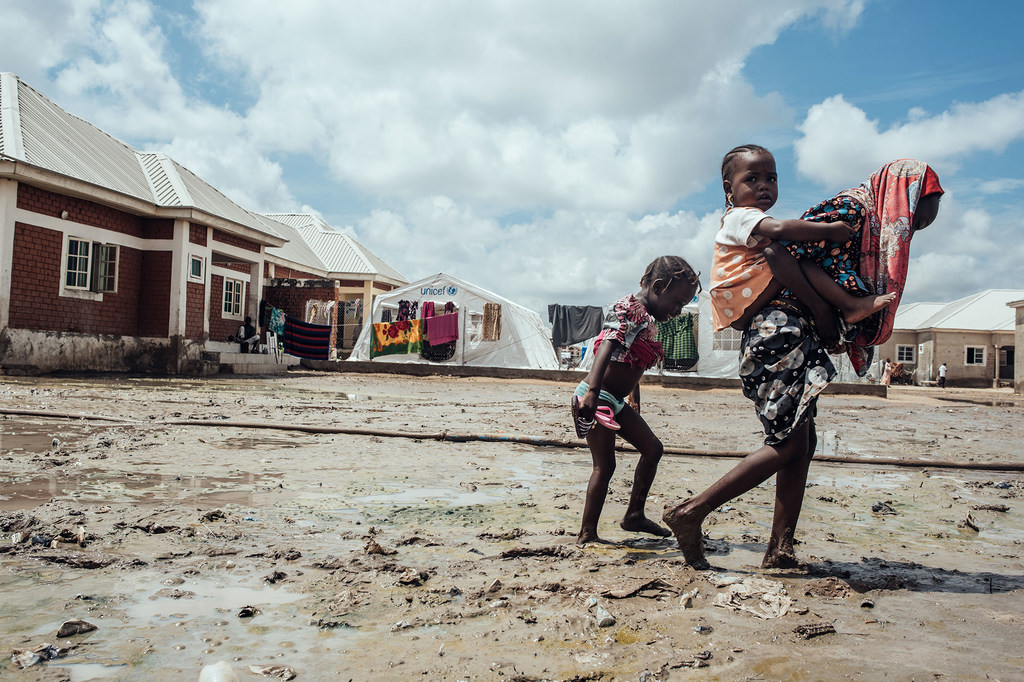
Widespread banditry and local disputes
The violence has mutated over the years. In the Northwest, states like Zamfara, Katsina, and Sokoto are plagued by what authorities call “banditry”—criminal gangs that kidnap for ransom and pillage entire villages. Meanwhile, the Middle Belt sees violent clashes between farmers and herders over land and water, intensified by climate change and population pressure. With 3.5 million people internally displaced, Nigeria now accounts for roughly 10% of all displaced persons in Africa.
Blind violence rather than targeted persecution
The UN remains cautious about labeling the situation a “Christian genocide.” While recent kidnappings of churchgoers in Kaduna and attacks on Catholic schools are tragic, Mohamed Malik Fall points out that the vast majority of the 40,000 insurgency victims are actually Muslims, often killed within their own mosques during prayer. He warns that framing the conflict solely as religious persecution risks deepening social divides in a country that desperately needs unity.
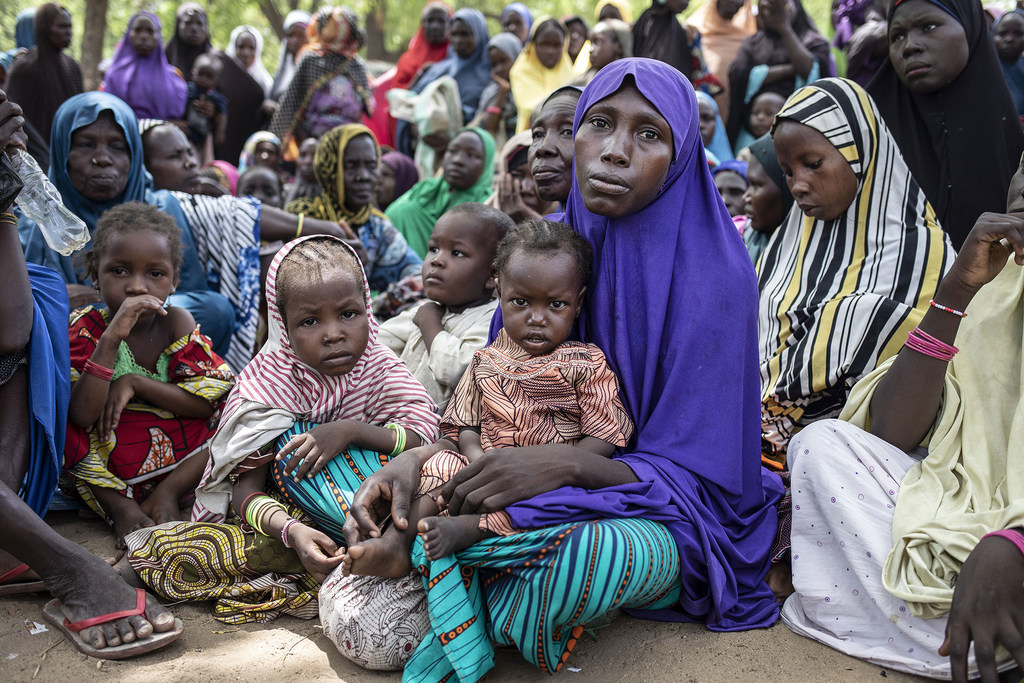
A massive, underfunded emergency
The human cost is staggering. In the Northeast alone, 7.2 million people require urgent help. Food insecurity is the most pressing threat, with up to 36 million Nigerians at risk of hunger and 3.5 million children facing acute malnutrition. Despite the scale, international funding has plummeted from nearly a billion dollars a few years ago to an expected total of less than 200 million this year.
The responsibility of an economic power
Nigeria remains one of Africa’s largest economies, which creates a strange paradox. The UN emphasizes that the federal government must take the lead in the response. The goal is to move from dependency to economic opportunity, shifting the focus from providing immediate aid to building long-term resilience and self-sufficiency for its citizens.
Comments are closed, but trackbacks and pingbacks are open.