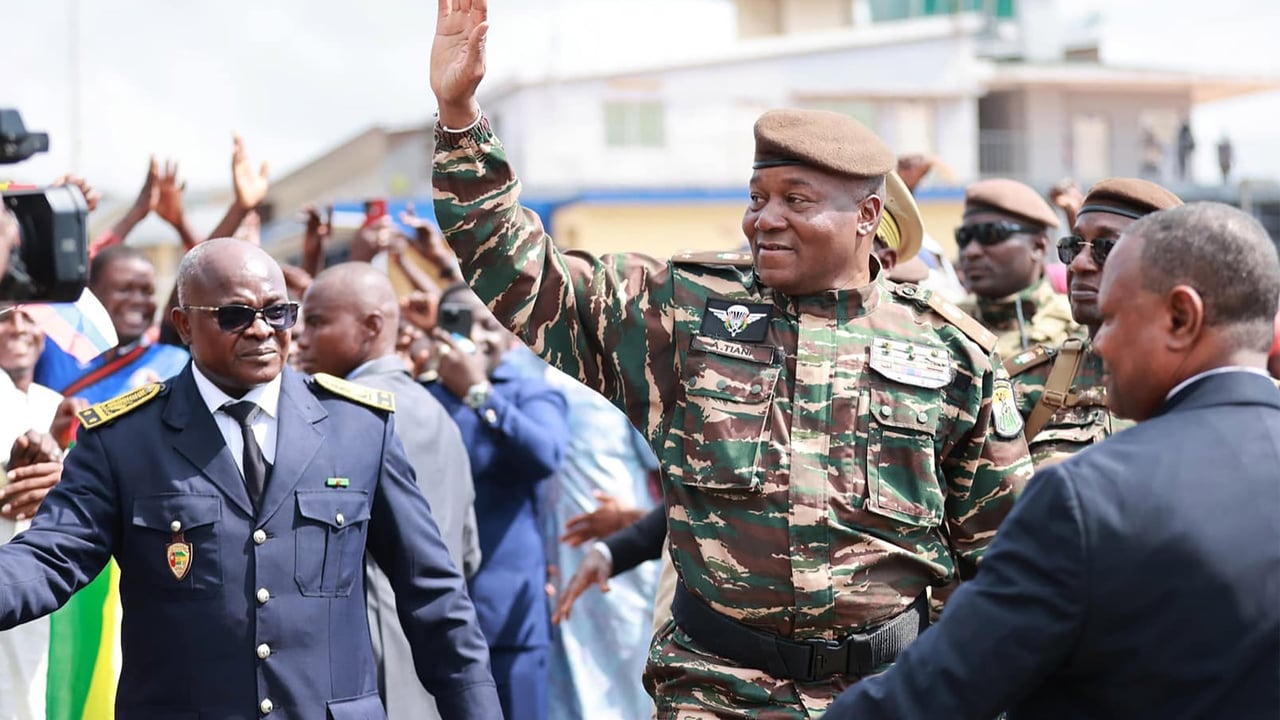
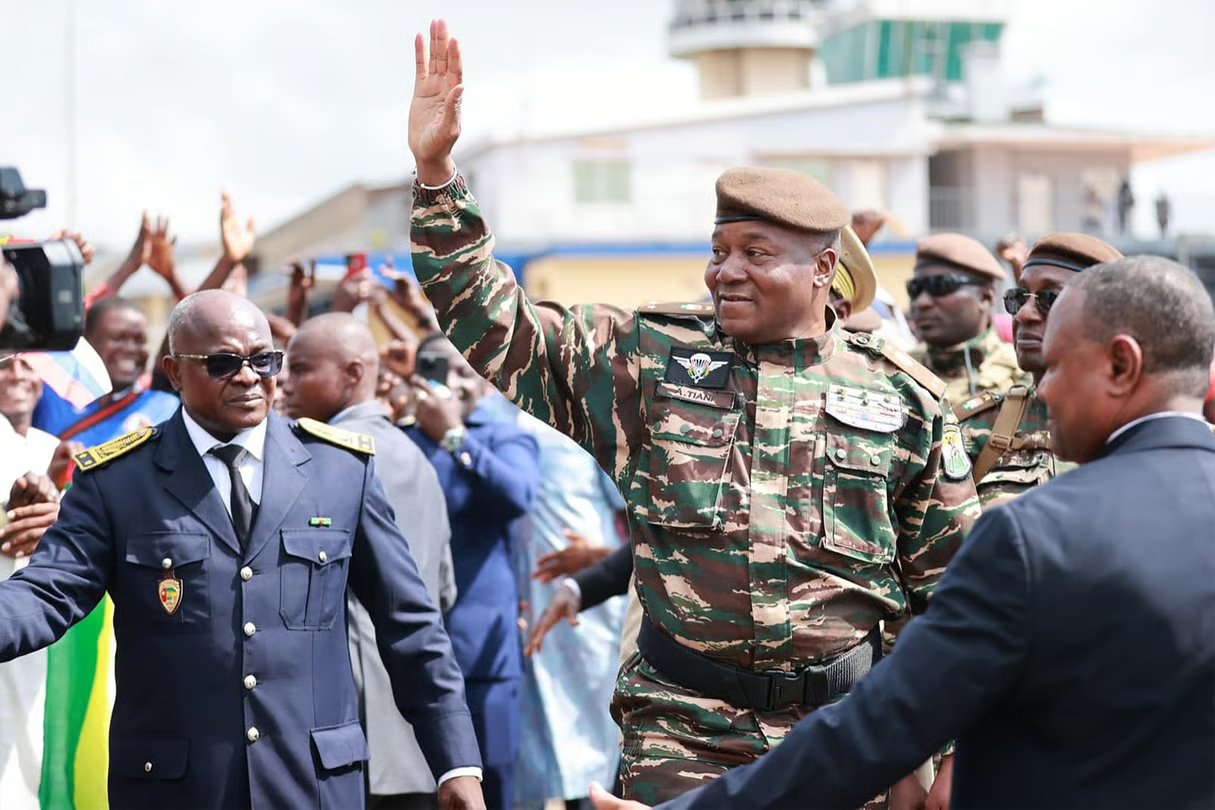
Niger’s Head of State, Abdourahamane Tiani, is steering the nation toward a new era of pragmatic governance, reshaping the country’s political and diplomatic landscape. His approach balances internal stability with bold foreign alignments, marking a decisive shift from previous strategies.
Tiani’s vision: balancing domestic priorities and international partnerships
Since assuming leadership, Tiani has prioritized economic resilience and security cooperation as cornerstones of his administration. His policies reflect a clear departure from traditional regional alliances, embracing partnerships that align with Niger’s evolving geopolitical interests.
Domestically, the focus remains on strengthening national institutions and addressing pressing socio-economic challenges. Externally, Tiani has fostered closer ties with global actors, including key African nations and emerging partners, to secure vital support for Niger’s development goals.
Strategic realignments shaping Niger’s future
The current administration’s foreign policy has introduced fresh dynamics in the Sahel region. While maintaining strong historical bonds, Tiani has pursued a more independent stance, particularly in matters of defense and economic cooperation. This shift has drawn both praise and scrutiny from regional observers.
Among the notable developments is Niger’s evolving relationship with Sahelian neighbors. Collaborations with Mali and Burkina Faso under the Alliance of Sahel States (AES) have intensified, reflecting a shared commitment to regional security and self-determination. These alliances are reshaping power dynamics in West Africa, challenging conventional frameworks of international cooperation.
Key partnerships redefining Niger’s global role
Tiani’s diplomatic outreach extends beyond Africa, with engagements in Russia and other global capitals. These interactions highlight Niger’s ambition to diversify its partnerships, reducing dependence on traditional Western allies. The move signals a broader trend among African nations seeking to assert sovereignty in their foreign policy decisions.
The administration’s pragmatic approach is also evident in its handling of regional crises. By prioritizing collective security initiatives and economic integration, Tiani aims to position Niger as a stable and influential player in the Sahel. This strategy includes leveraging resources from the AES bloc to address shared threats like terrorism and cross-border instability.
Challenges and opportunities ahead
While the new direction presents opportunities for growth, it is not without challenges. Balancing regional solidarity with national sovereignty requires careful navigation, especially as external pressures mount. The administration must also address internal skepticism about the long-term impact of these alliances.
Yet, the potential benefits are substantial. By fostering stronger economic ties and enhanced security frameworks, Tiani’s policies could pave the way for sustainable development. The key lies in maintaining a delicate equilibrium between ambition and realism.
As Niger continues to chart its course, the world watches closely. The choices made today will shape the nation’s trajectory for decades to come, reinforcing its role as a pivotal player in Africa’s evolving geopolitical landscape.
Comments are closed, but trackbacks and pingbacks are open.