Three years have elapsed since Niger entered a period of profound political, economic, and security turmoil following the military takeover in July 2023. The coup, framed as a historic turning point to reclaim national sovereignty and restore stability, has instead left the country mired in uncertainty, with citizens bearing the brunt of prolonged hardship.
An economy in freefall and rising hardship for citizens
The consequences of this period have rippled across every sector of Niger’s economy. Trade disruptions with neighboring countries, fuel and food price surges, and the exodus of foreign investors have collectively crippled economic activity. Businesses have scaled back operations or shut down entirely, while job opportunities have dwindled.
The impact on households is undeniable. Essential goods such as food and fuel have become increasingly expensive, eroding purchasing power and forcing families to make difficult choices. Local governments, small-scale traders, and farmers struggle to secure financing, access credit, and navigate an environment of deep economic uncertainty that stifles private initiative.
Shrinking civic space and restricted freedoms
Beyond economic strain, human rights organizations have documented a steady erosion of civic freedoms. Civil society operates under intense pressure, and public criticism of authorities can lead to legal repercussions or arrests. Independent media outlets face mounting restrictions, with journalists reporting increased intimidation and professional obstacles.
Public gatherings and political demonstrations are heavily regulated, severely limiting avenues for opposition voices and grassroots organizations. The resulting climate of caution has pushed many citizens toward silence—or, for others, toward exile.
Security challenges persist despite military promises
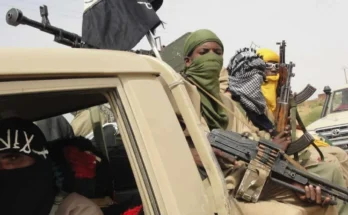
The junta’s rise to power was justified primarily by the need to combat terrorism. Yet, despite military restructuring and new security partnerships, armed group attacks continue to target multiple regions. Border communities suffer the most, facing recurring violence, forced displacements, and limited access to basic services like healthcare, education, and economic opportunities.
This persistent insecurity has raised serious questions about the effectiveness of the regime’s security strategy over the past three years.
Leadership under fire for lack of tangible results
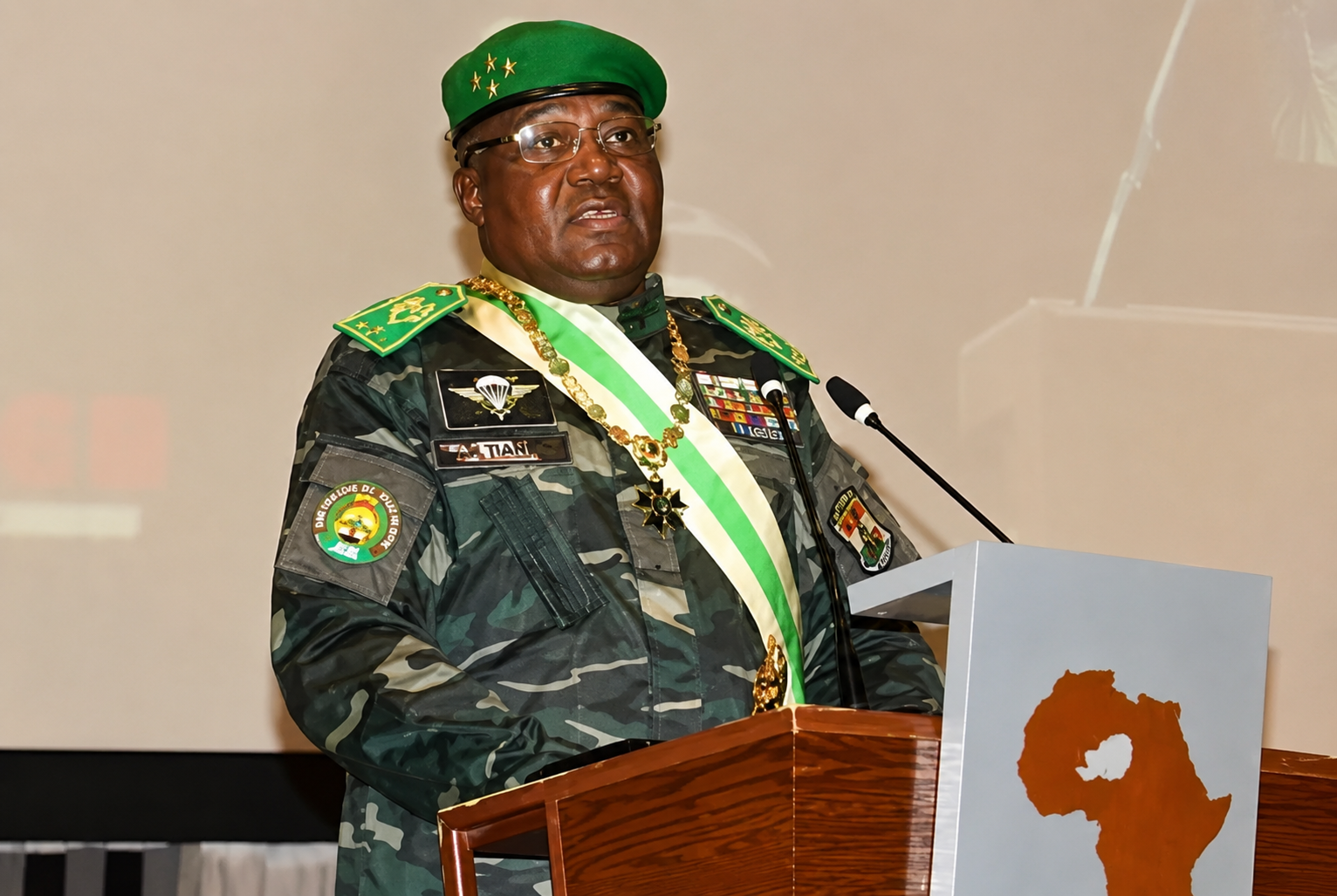
A recent televised address by General Abdourahamane Tiani highlighted the growing disconnect between official rhetoric and public expectations. Instead of outlining concrete steps to address economic or security woes, the head of the junta focused extensively on external threats and foreign actors, which many analysts view as a deflection from domestic failures.
As the situation remains stagnant, public skepticism toward proposed solutions has grown, shifting focus from blaming external forces to questioning the regime’s own capacity to deliver on its promises.
A political system locked in stasis
The prolonged military rule has led to a tightening grip on political life. The absence of a clear timeline for a return to civilian governance fuels uncertainty about the country’s institutional future. Political parties operate under severe constraints, and public discourse remains tightly controlled.
This centralization of power has intensified concerns about democracy’s long-term viability in Niger. Citizens worry that without meaningful checks and balances, the nation risks drifting further from participatory governance and democratic accountability.
Three years on: a nation still searching for stability
As the third anniversary of the coup approaches, the gap between the junta’s initial promises and the harsh reality of daily life grows wider. The economy remains fragile, inflation continues to strain household budgets, civic freedoms are under pressure, and insecurity lingers in multiple regions.
For many Nigeriens, the priority is no longer political discourse—it is survival. The calls for accountability, dialogue, and practical solutions to immediate concerns have never been more urgent. Yet, with no clear path forward, the nation’s citizens find themselves trapped in a cycle of unmet expectations and persistent crisis.