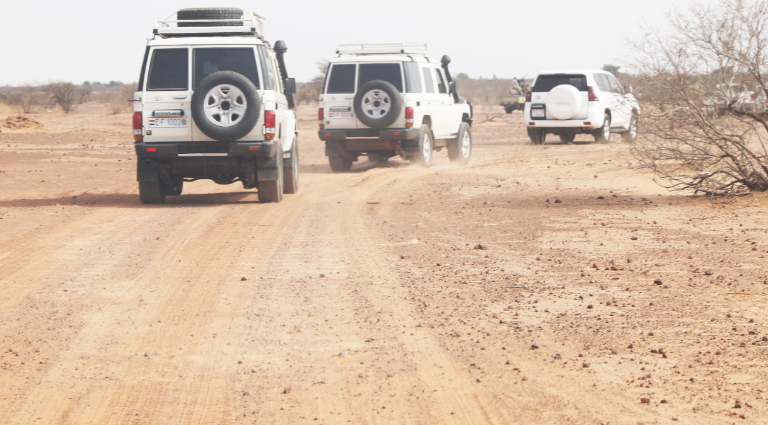
The western Niger region of Tillabéri has been struck by a deadly assault attributed to the Islamic State in the Greater Sahel (ISGS), leaving at least 37 civilians dead. The victims, all from the village of Tillim, were traveling in a convoy protected by local militias when they were ambushed near Téra.
Civilian convoy targeted despite armed escort
The tragedy unfolded as the group headed to a local market under the protection of Domol Leydi militiamen—community-based defense forces deployed to shield civilians from armed group incursions. Despite this safeguard, the convoy became the target of a coordinated attack, resulting in one of the deadliest incidents in recent weeks.
The victims, primarily farmers and traders, were making a routine journey to restock supplies and sell goods, a necessity for survival in rural communities. Their loss underscores the escalating risks civilians face when moving between villages in Tillabéri’s most volatile areas.
Ten days of ISGS violence rock Tillabéri
This recent attack is part of a broader wave of violence in western Niger, with ISGS reportedly carrying out multiple operations over the past ten days. The group’s sustained campaign has intensified pressure on local populations, disrupting daily life and economic activities.
For residents, the consequences are severe:
- Traders avoiding high-risk markets, crippling local economies
- Herders struggling to move livestock to grazing lands
- Agricultural work disrupted in areas deemed too dangerous
- Families facing heightened food insecurity due to restricted access to supplies
Community defense falls short as militants exploit vulnerabilities
The involvement of Domol Leydi militias highlights the strain on Niger’s security forces, which often lack the capacity to secure remote areas comprehensively. While these local defense groups play a critical role, their limited resources and firepower leave civilians exposed.
Analysts warn that relying solely on community-led security measures is unsustainable. Without sustained military support, surveillance, and intelligence, convoys—even those under escort—remain vulnerable to ambushes and raids.
Tillabéri: A hotspot in Niger’s worsening security crisis
Tillabéri, bordering Mali and Burkina Faso, remains one of Niger’s most embattled regions. The so-called “three-border zone” has become a battleground for jihadist factions, including ISGS and the Support Group for Islam and Muslims (JNIM), whose clashes continue to destabilize civilian life.
In many villages, residents have been forced to adjust their routines:
- Informal travel restrictions limit movement between communities
- Markets see reduced attendance, straining local trade
- Farmers abandon fields in high-risk zones, threatening food production
The humanitarian toll is mounting, with displaced families struggling to rebuild livelihoods and traditional support networks collapsing under the strain of repeated attacks.
What’s next for Tillim and Tillabéri?
The Tillim attack serves as a grim reminder of the human cost of Niger’s security crisis. With civilians bearing the brunt of violence, authorities face mounting pressure to enhance protection and restore safe passage in rural areas.
Yet, with ISGS operations showing no signs of abating, the outlook remains precarious. Families in Tillabéri must now grapple with grief while communities across the region brace for the next wave of violence—knowing that every trip to the market could be their last.
Comments are closed, but trackbacks and pingbacks are open.