Tabrichat ambush exposes brutal reality of Mali’s northern conflict
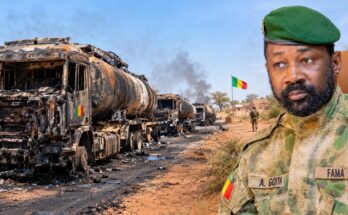
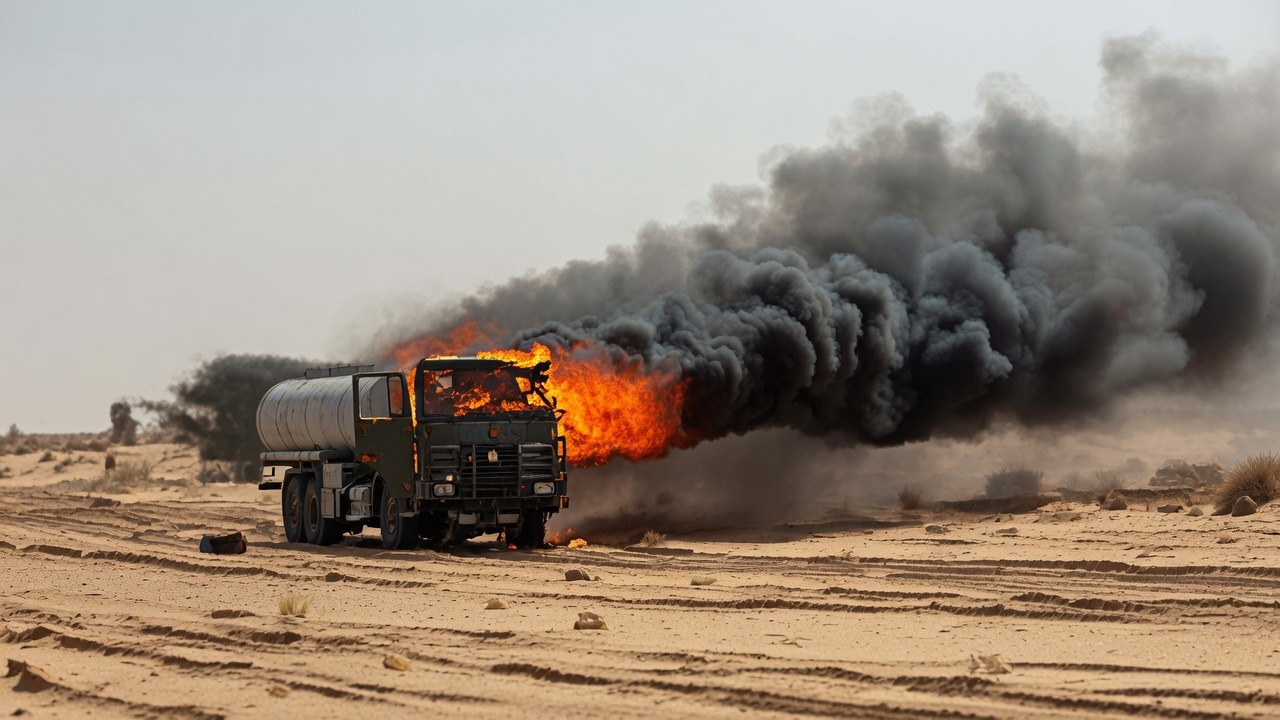
On July 18, a joint military convoy comprising Mali’s Armed Forces (FAMa) and Russian Africa Corps paramilitaries fell victim to one of the deadliest ambushes in northern Mali in recent years. Near the remote settlement of Tabrichat, between Gao and Kidal, the attack claimed over 50 military lives, with dozens more reported missing or captured. The assault not only highlighted tactical vulnerabilities but also triggered national outrage following documented war crimes and controversial conduct by allied forces.
How the ambush unfolded: a carefully executed trap
After intense fighting to secure the Anéfis military base, Malian forces and their Russian allies initiated a repositioning operation on July 18. The convoy, consisting of armored vehicles and troop transporters, split into two sections: Russian mercenaries led the advance, while Malian troops followed at the rear. The ambush struck near Tabrichat—a strategic crossroads linking Gao, Bourem, and Kidal—where insurgents from the Support Group for Islam and Muslims (JNIM) and the Strategic Framework for the Defense of the Azawad (FLA) launched a coordinated assault.
The attack targeted the Malian rear section, exploiting terrain complexity and column dispersion. Isolated under heavy fire, Malian soldiers faced overwhelming odds, while the Russian contingent advanced unscathed toward Gao.
A human toll steeped in war crimes
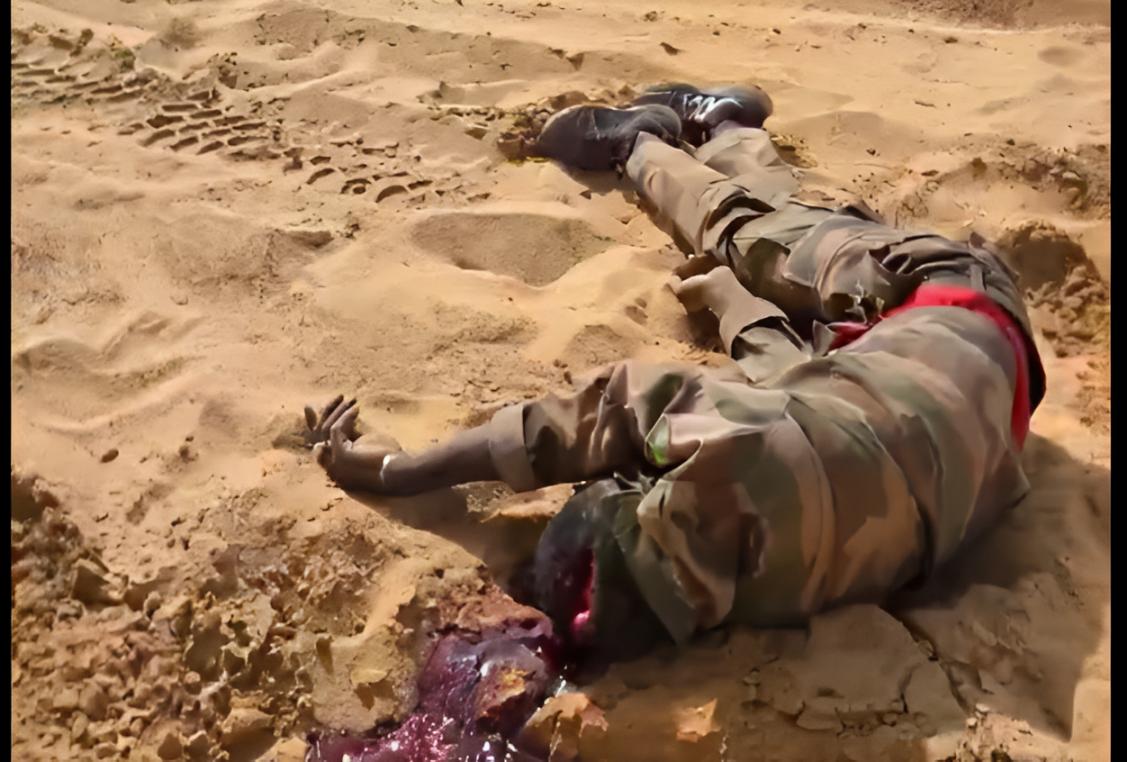
The immediate aftermath revealed a grim casualty list: at least 50 Malian soldiers killed and over 30 missing or captured. Beyond battlefield losses, captured soldiers endured extrajudicial executions—ten confirmed by verified video evidence circulating online. These war crimes, broadcast widely, have intensified public anger and eroded trust in military partnerships.
Disturbingly, some of these videos were initially shared through channels linked to the Africa Corps, deepening suspicion and fueling calls for accountability. The dissemination of such content has galvanized national condemnation and demands for answers from Bamako’s leadership.
The rise of a new insurgent alliance
Analysis of post-ambush footage revealed the presence of Hamza Ag Gali, son of Iyad Ag Gali—the historical leader of JNIM and founder of Ansar Dine. His involvement underscores a high-level strategic engagement by insurgent leadership and signals a generational shift in command.
This operation also solidified the tactical alliance between JNIM and FLA factions, demonstrating enhanced mobility, intelligence, and firepower. Their coordinated strike on the Anéfis-Gao axis reveals a resurgent threat that contradicts earlier assumptions of insurgent decline following recent security reforms.
The Russia factor: questions over alliance integrity
The Africa Corps’ conduct during the ambush has become a focal point of controversy. While Russian troops suffered no casualties in the initial assault, they proceeded directly to Gao without turning back to assist their Malian counterparts. This decision raises critical questions:
- Coordination failure: How could two allied units operate with such disjointed tactics, lacking mutual support protocols?
- Strategic abandonment: Was the withdrawal an operational order to preserve forces, or a reflection of ineffectiveness in high-risk environments?
The absence of support at a critical moment challenges the credibility of mercenary-assisted operations in Mali’s volatile north.
Civilian anger fuels demand for accountability
Public outrage has spread from Bamako to northern cities. While the nation mourns its fallen soldiers, citizens are increasingly vocal about the conduct of foreign allies. Calls for official explanations regarding convoy management and Africa Corps’ actions are growing louder.
The Tabrichat tragedy has exposed deep fractures in northern Mali’s security architecture. As insurgent coalitions demonstrate renewed resilience and aggression, this event may force authorities to rethink coordination with international partners and reassess the viability of current counterinsurgency strategies.