Paul Biya’s health fuels debate on free speech in Cameroon
July 29, 2026The ruling, based on Cameroon’s penal code which criminalizes defamation, insults, and contempt against public officials, has drawn criticism from human rights groups who argue it stifles dissent.
Attorney Batang Kolon, a legal expert in Cameroon, expressed his dismay over the verdict, stating, “This is not about interpretation—it’s a strict application of the law. We now find ourselves in a situation where even prayers are prohibited. It’s deeply concerning.”
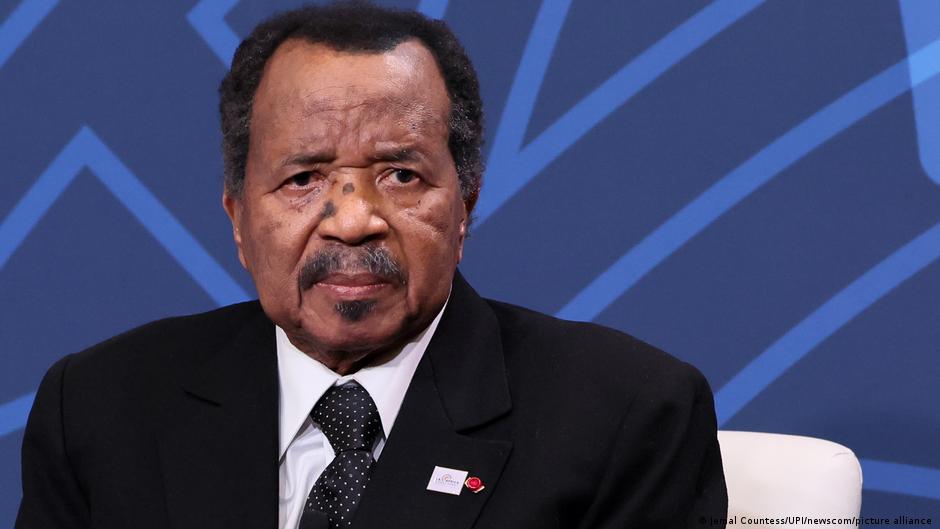
The timing of Mengue’s sentence coincides with President Biya’s prolonged absence from public view. The Head of State has been abroad for an extended period, with no official updates on his health status.
Legal precedents and growing tensions
The case of Patrick Mengue is not an isolated incident. In 2017, academic Patrice Nganang was arrested following critical remarks about the Anglophone crisis. In 2019, activist Sébastien Ebala faced detention after publishing posts deemed insulting to the President. As far back as 2010, journalist Jean Bosco Talla was handed a suspended one-year prison sentence and a hefty fine for publishing a rumor about the Head of State.
These recurring prosecutions have led human rights defenders to warn of a pattern of silencing dissenting voices.
Cyrille Rolande Bechon, Chair of the NGO New Human Rights, remarked, “Many individuals, much like Patrick Mengue, are behind bars simply for expressing their political views. The judge’s decision in this case is nothing short of unjust.”
Government stance vs. public concern
Cameroonian authorities maintain that these legal actions are necessary to uphold public order, protect institutions, and preserve individual honor. Yet, the recent ruling has sparked broader conversations about the limits of free expression in the country.
The absence of transparent communication regarding President Biya’s health has only deepened public skepticism, turning legal cases like Mengue’s into symbols of a larger debate.