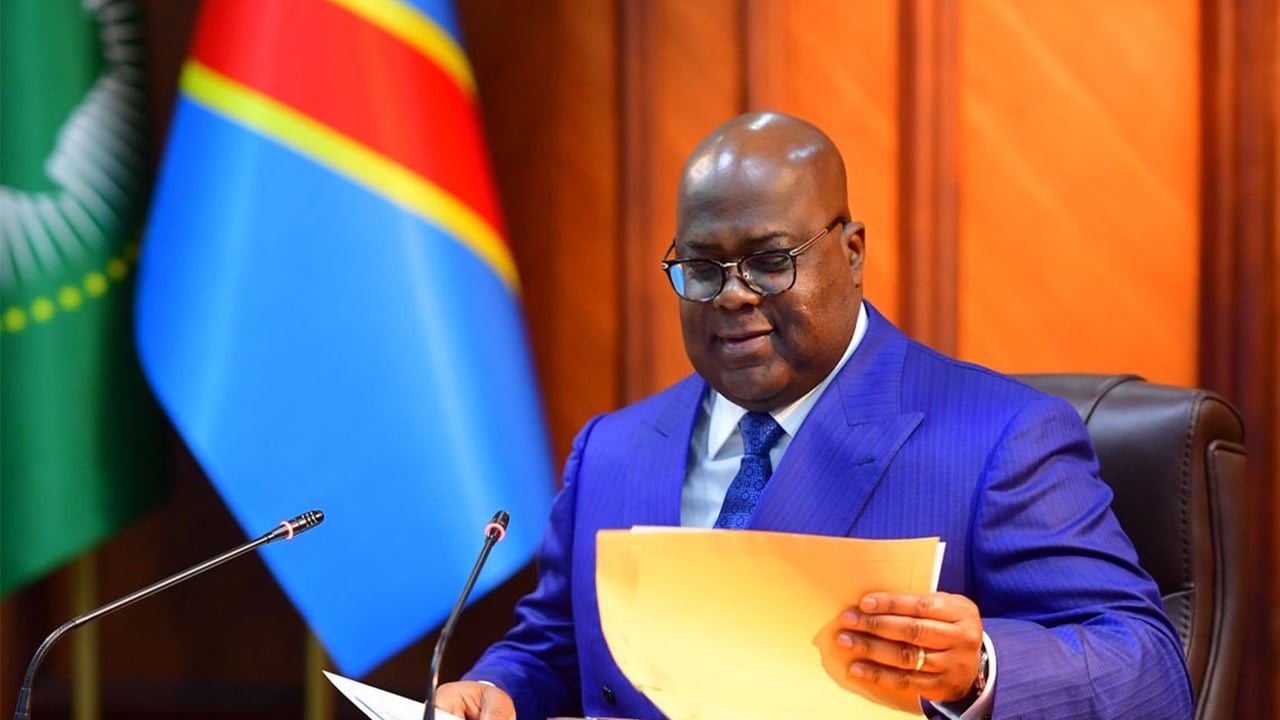
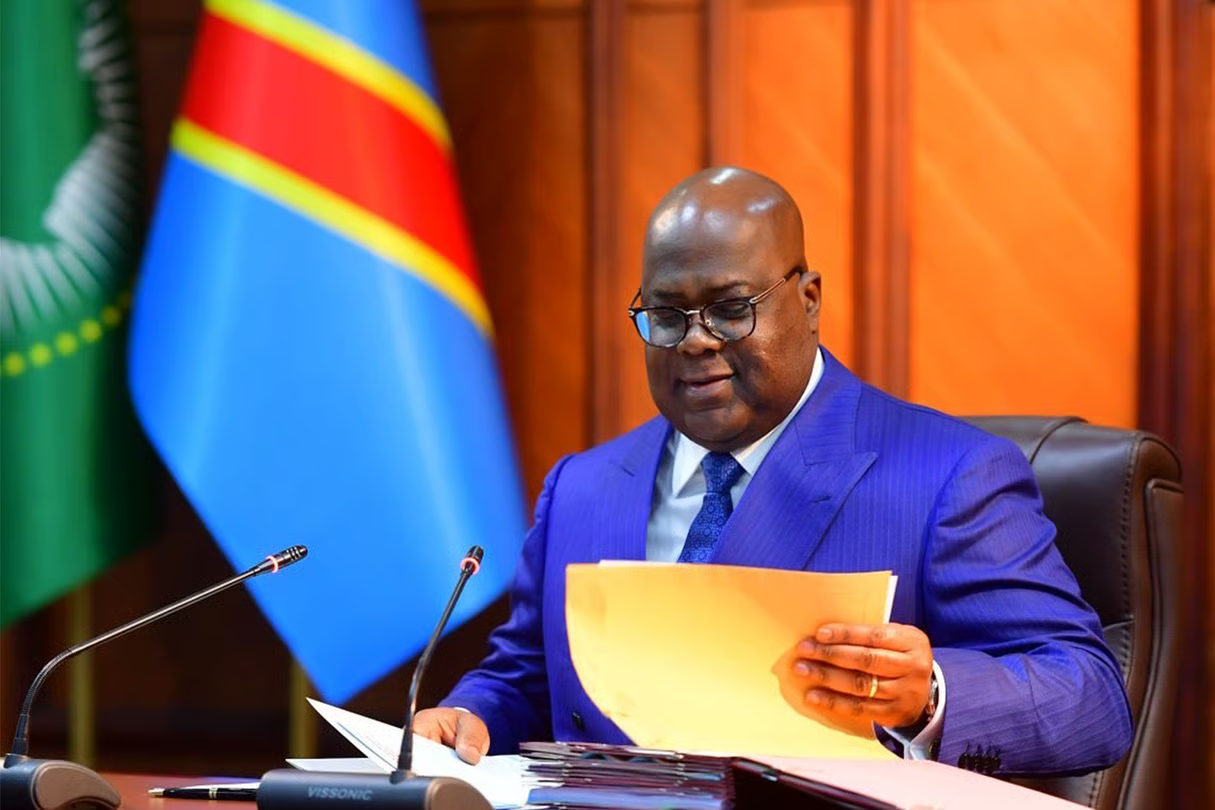
The political landscape in the Democratic Republic of the Congo (DRC) is showing signs of easing tensions, paving the way for a long-anticipated national dialogue. Observers note a gradual shift in the atmosphere as stakeholders engage in preliminary discussions, though the path forward remains uncertain.
Signs of political easing in Kinshasa
In the capital, Kinshasa, interactions between government officials and opposition figures have taken a more civil tone in recent weeks. While deep-rooted disagreements persist, the reduction in hostile rhetoric suggests a fragile but growing willingness to engage. This shift is particularly evident in statements from President Félix Tshisekedi, who has called for inclusive talks to address the nation’s pressing challenges.
A dialogue deferred, yet increasingly urgent
The idea of a national dialogue has circulated for years, often stalled by political rivalries and logistical hurdles. Now, however, the urgency of the situation—marked by social unrest, economic challenges, and regional instability—may finally push parties toward compromise. Analysts suggest that the current thaw could be the first step toward meaningful negotiations, though skepticism remains about the depth of cooperation.
What’s at stake for the DRC?
The stakes couldn’t be higher. A successful dialogue could restore stability, foster economic recovery, and strengthen democratic institutions. Yet failure to reach a consensus risks deepening divisions and undermining public trust in the government’s ability to govern. The coming weeks will reveal whether this tentative thaw translates into lasting progress.
The nation watches closely as political actors navigate this delicate moment, with the hope that dialogue—not division—will shape the DRC’s future.
Comments are closed, but trackbacks and pingbacks are open.